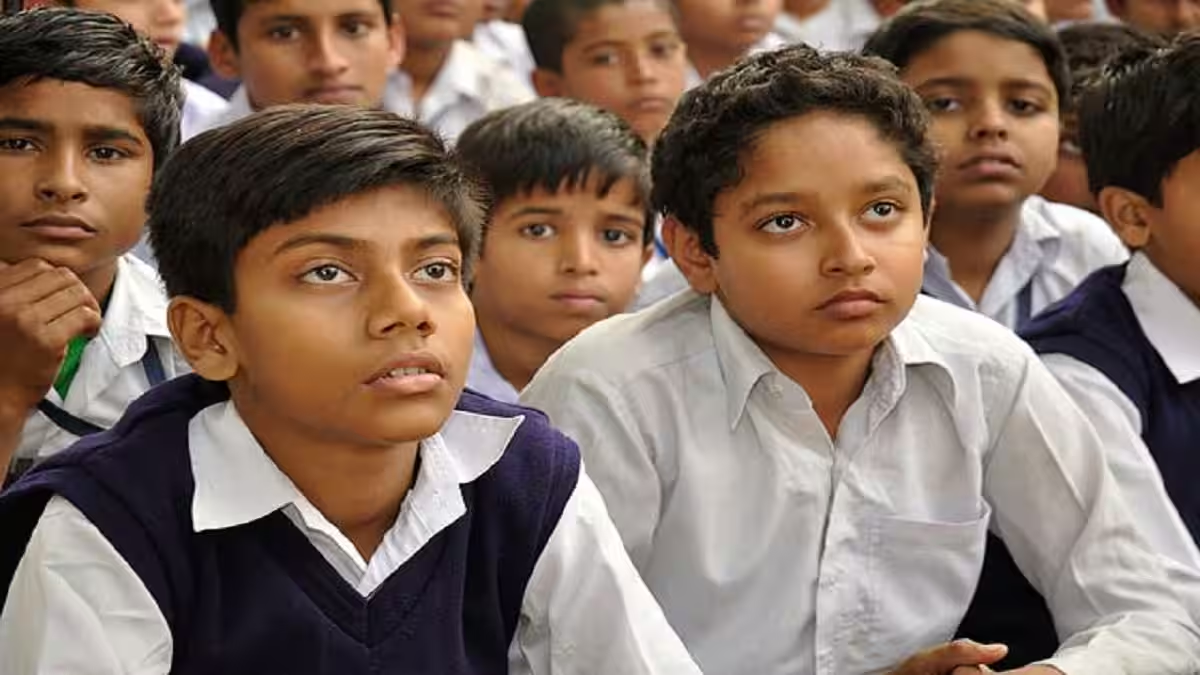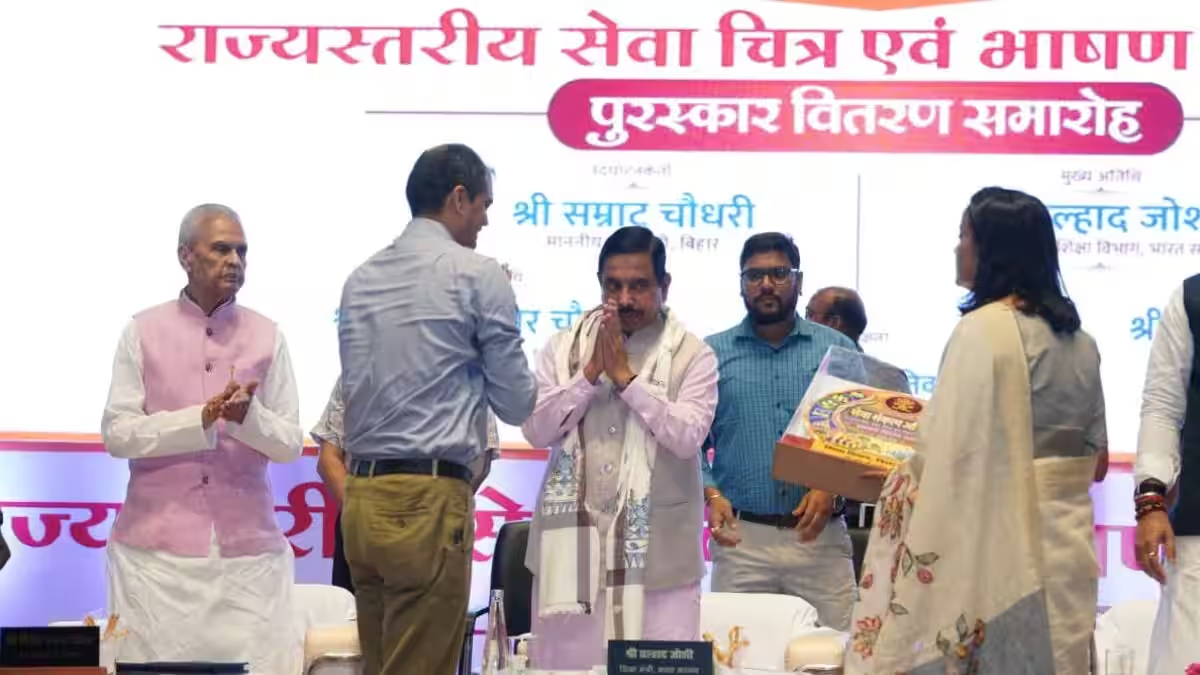
Union Education Minister Prahlad Joshi emphasized the need for education to move beyond rote learning and job-focused goals during the Seva Sankalp Abhiyan competitions in Bihar. The event, held to honor winners of painting and speech contests, involved students from 95,195 government and private schools across 38 districts. Joshi encouraged students to focus on innovation and creativity to help build a developed India by 2047.
- Seva Sankalp Abhiyan competitions included painting and speech contests with wide participation.
- NEP 2020 promotes critical thinking, creativity, and holistic development.
- Parents and teachers should support children's individual interests and abilities.
- Initiatives like PM SHRI schools and Atal Tinkering Labs foster innovation and experimentation.
- Learning in Indian languages is emphasized alongside English proficiency.
- Significant government funding supports innovation and skill development.
What was the purpose of the Seva Sankalp Abhiyan competitions?
The competitions aimed to encourage students to express their vision of India in 2047 through creative paintings and speeches. This initiative helped students imagine and share ideas about the future of the country, promoting innovation and critical thinking aligned with the goals of the National Education Policy (NEP) 2020.
How does NEP 2020 influence education according to Minister Joshi?
NEP 2020 focuses on developing critical thinking, creativity, and holistic growth rather than just passing exams and securing jobs. The policy encourages students to understand concepts deeply, imagine new possibilities, and advance with innovative ideas to contribute meaningfully to society.
Why should parents and teachers recognize individual interests of children?
Minister Joshi highlighted that recognizing each child's unique interests and abilities is crucial instead of forcing them into predetermined career paths. Supporting individual talents helps nurture creativity and innovation, which are essential for personal growth and national development.
What initiatives support innovation and research among students?
Programs such as PM SHRI schools and Atal Tinkering Labs create environments that encourage research, experimentation, and innovation. These initiatives motivate students to develop technological solutions for everyday problems and transform their ideas into practical projects and prototypes.
How is language learning addressed in the education system?
Joshi stressed the importance of learning in Indian languages alongside English. Under NEP 2020, school textbooks are available in 22 Indian languages, and the DIKSHA digital platform offers educational content in 128 Indian languages and seven foreign languages. This approach supports inclusive and effective learning.
What role do government leaders and funding play in education and innovation?
The minister credited former Chief Minister Nitish Kumar and current Chief Minister Samrat Choudhary for strengthening Bihar's education system. He also mentioned that India is becoming a hub for manufacturing, medical services, and skills development. The Union budget has allocated Rs 1 lakh crore for innovation, highlighting the government's commitment to fostering a self-reliant and developed nation by 2047.
Frequently Asked Questions
Q: How many schools participated in the Seva Sankalp Abhiyan competitions?
A: Students from 95,195 government and private schools across 38 districts in Bihar participated in the competitions.
Q: What types of competitions were held under Seva Sankalp Abhiyan?
A: The competitions included painting and state-level speech contests where students expressed their vision for India in 2047.
Q: What is the main goal of NEP 2020 in education?
A: NEP 2020 aims to promote critical thinking, creativity, and holistic development rather than focusing solely on exams and employment.
Q: How does the government support innovation in schools?
A: Through initiatives like PM SHRI schools, Atal Tinkering Labs, and significant budget allocations, the government fosters an environment of research and innovation among students.