Chicken’s Neck: 40-km underground rail corridor to connect Northeast with rest of India, says Vaishnaw
India is planning to construct underground railway lines in West Bengal to strengthen transport links and boost regional security. The project includes laying tracks under the ground and expanding current railway lines, aiming to improve safety and capacity in a vital corridor near borders with several neighboring countries.
3 min read275 views
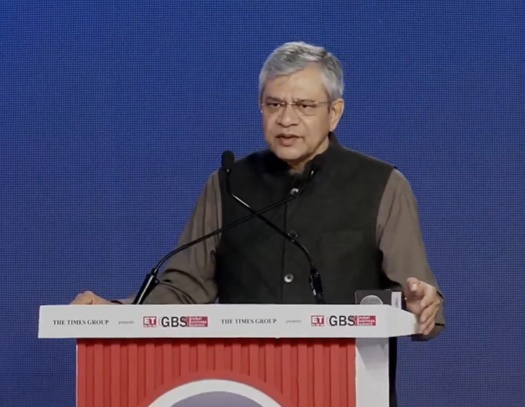
India is planning to build new underground railway tracks in West Bengal. This project aims to improve how people and goods move through an important region that connects the northeastern part of the country with the rest of India. The project was announced in February 2026 by Union Minister Ashwini Vaishnaw. It focuses on making the railway network stronger and more secure in a strategic area.
The planned railway corridor is about 40 kilometers long. It is located in the northern part of West Bengal, in an area often called the 'Chicken's Neck.' This narrow strip of land is very important because it links northeastern India to the rest of the country. The region is bordered by Nepal and Bangladesh, with Bhutan and China nearby. Due to this location, it is very strategic for India's security and connectivity.
The new railway plans include laying underground tracks between two stations: Tin Mile Haat and Rangapani. These underground lines will be built approximately 20 to 24 meters below the ground surface. The terrain of the area is mostly flat, making underground construction feasible. The underground route will run beneath the existing double railway track, which will be upgraded to a four-line track. This expansion means there will be six railway lines in total through this corridor – four above ground and two underground.
This strengthening of railway capacity is important because it will increase the number of trains and goods that can pass through this narrow region. The project will help prevent delays, improve safety, and boost regional development. Additionally, expanding and securing this corridor is considered relevant for national security, especially since one of the underground lines is planned to extend toward Bagdogra. Bagdogra is a location important for India’s air defense system.
The underground railway lines are planned to be about 20–24 meters below the surface. Throughout this largely flat area, underground construction can be carried out safely with proper engineering techniques. The goal is to have a more reliable and resilient rail network that can better withstand disruptions, whether due to weather, accidents, or other issues.
There is no official confirmation yet about when the project will be completed. Details such as the final timetable or the total cost have not been announced as of February 2026. However, the project’s planning and construction are seen as crucial steps in strengthening India’s northern border regions.
This project is expected to have significant impacts. It will make transportation safer and faster, support regional economic growth, and improve security in a sensitive border area. With improved railway infrastructure, the northeastern states will have better access to the rest of India, promoting development and stability.
Overall, India’s plan to build underground railway lines in West Bengal shows a focus on enhancing both connectivity and security. The project is an example of how infrastructure development can serve multiple purposes, including economic growth and national defense. As construction progresses, it will be closely watched for its potential to set a new standard for railway planning in sensitive border regions.