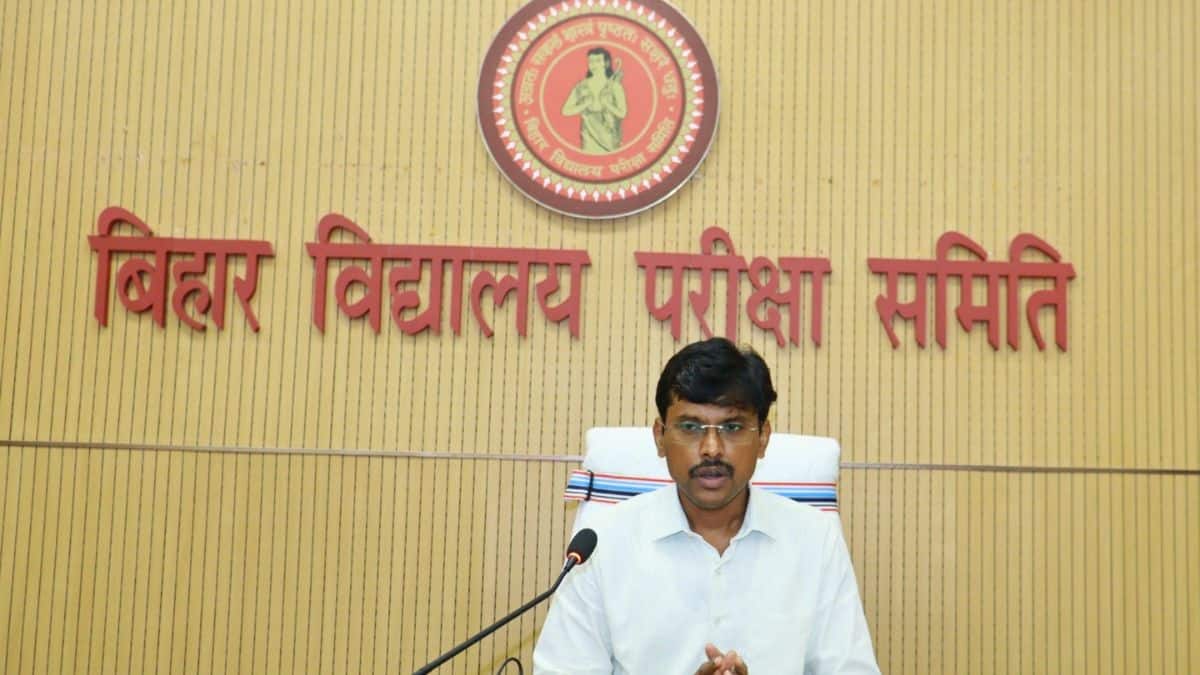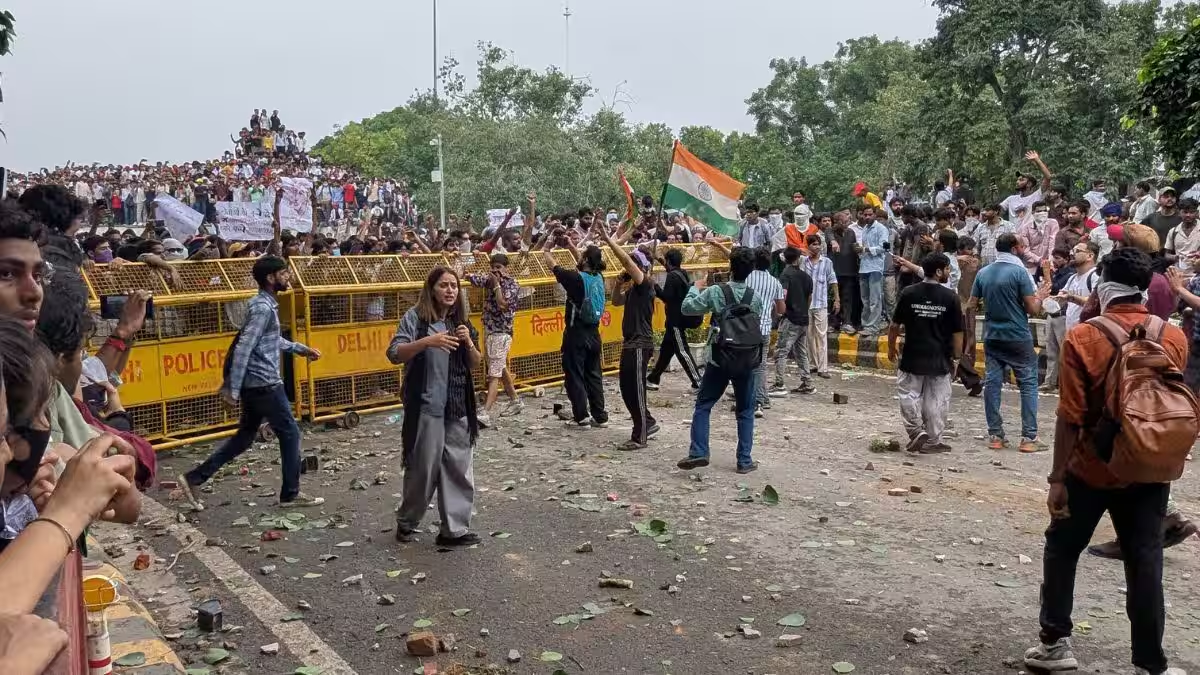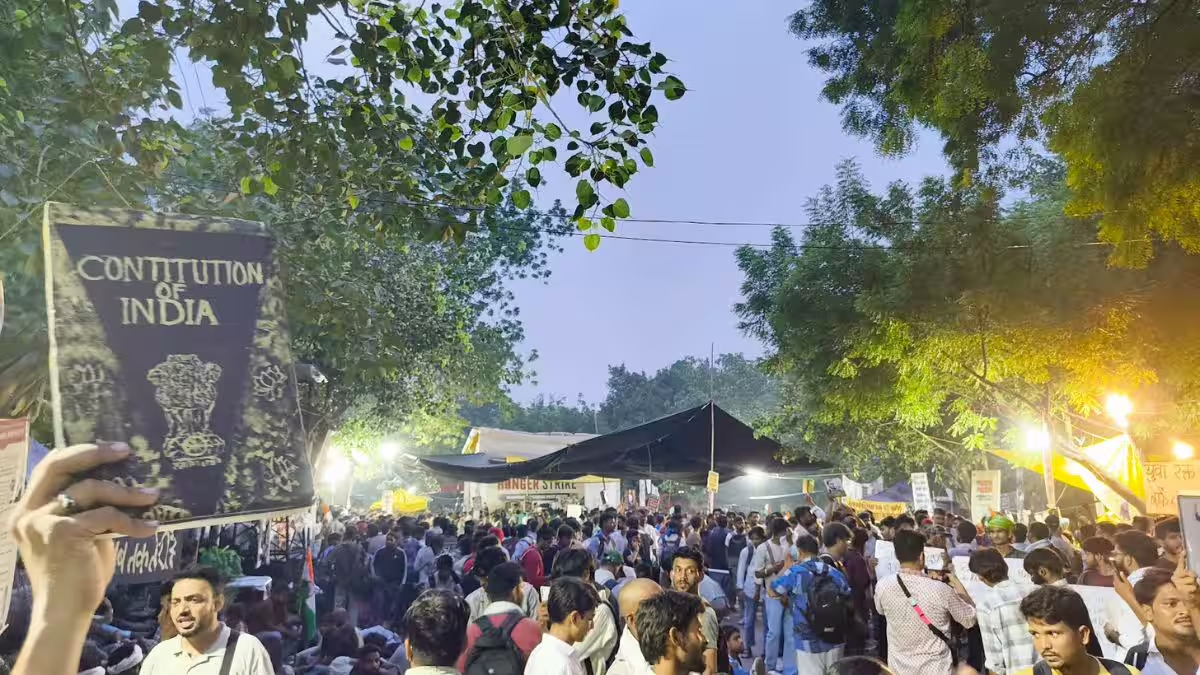
Protests led by the Cockroach Janta Party (CJP) are sweeping across India, demanding the resignation of Union Education Minister Dharmendra Pradhan following a major NEET exam paper leak. Demonstrations are taking place in every district under the banner "Every district. One day. One demand." Meanwhile, the Delhi High Court has responded by setting up a fast-track court to handle cases related to exam paper leaks, aiming to expedite justice.
Understanding the NEET Paper Leak Controversy
The National Eligibility cum Entrance Test (NEET) is a crucial medical entrance exam in India, determining admission to medical colleges nationwide. In July 2024, a leak of the NEET question paper sparked outrage among students, parents, and educators, leading to widespread protests. The leak raised serious concerns about the integrity of the examination process and the accountability of officials responsible for safeguarding the exam.
The Cockroach Janta Party (CJP) has emerged as a prominent voice in this movement, organizing peaceful protests across the country. Their central demand is the resignation of Education Minister Dharmendra Pradhan, whom they hold responsible for the failure to prevent the leak and for the government's handling of the crisis.
Key Developments and Facts
- The Delhi High Court appointed Special Judge Anu Grover Baliga to preside over a newly formed fast-track court dedicated to cases under the Public Examinations (Prevention of Unfair Means) Act, 2024.
- All pending cases related to exam malpractice have been transferred to this fast-track court at the Rouse Avenue Courts Complex for immediate hearing.
- Sonam Wangchuk, a prominent education activist, ended his 26-day hunger strike after receiving assurances from the central government regarding parliamentary discussions on paper leaks and education reforms.
- Union ministers JP Nadda and Jitendra Singh met Wangchuk at Medanta Hospital in Gurugram to convey the government's commitment to addressing the issue, including compensation considerations for families affected by student suicides linked to the leak.
- Despite Prime Minister Narendra Modi's announcement of fast-track courts and strict action against those responsible, the CJP insists that protests at Delhi's Jantar Mantar will continue until the Education Minister resigns.
- Security measures remain stringent around protest sites, with internet suspensions, traffic diversions, and restrictions in place to manage the demonstrations.
- Support for the protests has spread to several states, including Maharashtra, where Shiv Sena (UBT) announced a solidarity march called the 'Tiranga Morcha,' and Bihar, where student protests led to the adjournment of the state assembly.
Why the Fast-Track Court and Protests Matter
The establishment of a fast-track court by the Delhi High Court signals the judiciary's recognition of the urgency and gravity of exam paper leaks. By dedicating judicial resources specifically to these cases, the court aims to ensure swift justice and deter future malpractice.
However, the protests highlight a deeper mistrust among students and activists toward the government's handling of the situation. The demand for the Education Minister's resignation reflects frustration over perceived inaction and lack of accountability. The ongoing demonstrations also underscore the emotional and psychological toll the scandal has taken on students, with some families tragically affected by suicides linked to the stress and uncertainty caused by the leak.
Sonam Wangchuk's hunger strike brought national attention to the issue, and his decision to end it after government assurances shows a willingness for dialogue. Yet, the continuation of protests indicates that many remain unconvinced and are pushing for more concrete actions.
The nationwide protests and judicial response together illustrate the complex challenges India faces in maintaining the credibility of its examination system and addressing public demands for transparency and justice.
Frequently Asked Questions
Q: What triggered the nationwide protests related to NEET?
A: The protests erupted after a leak of the NEET exam paper in July 2024, which raised concerns about exam integrity and led to demands for the Education Minister's resignation.
Q: What is the role of the fast-track court set up by the Delhi High Court?
A: The fast-track court is dedicated to hearing cases under the Public Examinations (Prevention of Unfair Means) Act, 2024, to ensure speedy trials of those involved in exam malpractice.
Q: Why did Sonam Wangchuk end his hunger strike?
A: He ended his 26-day hunger strike after receiving assurances from the central government that parliament would discuss paper leaks, education reforms, and compensation for affected families.