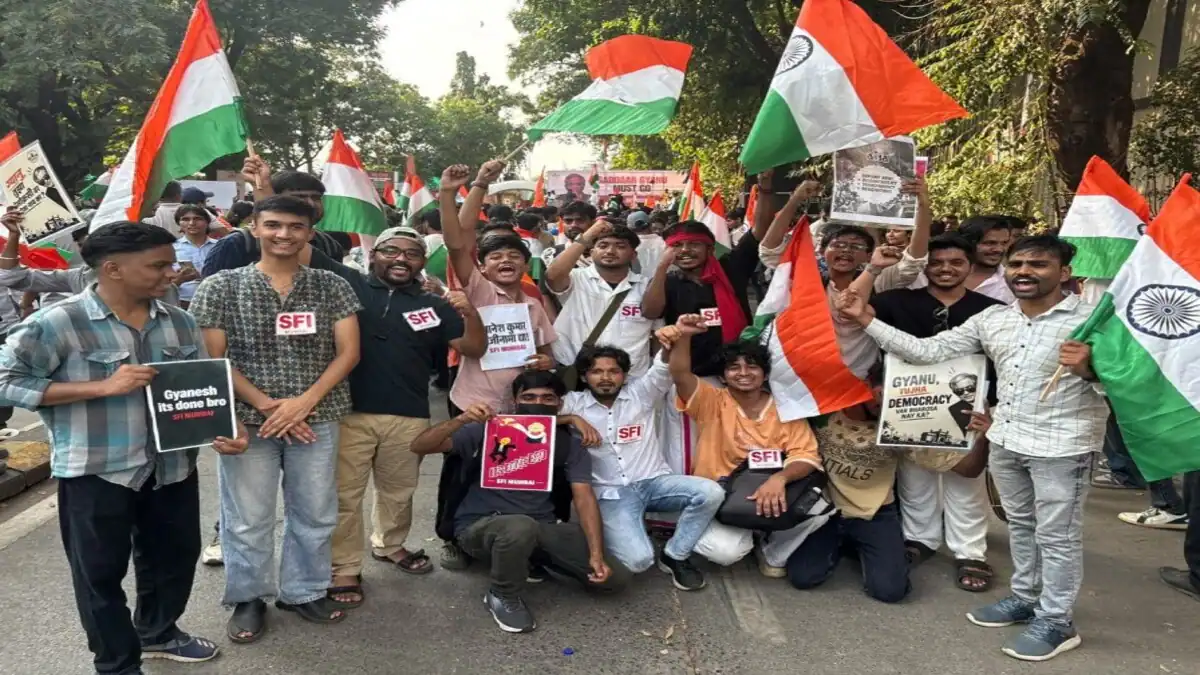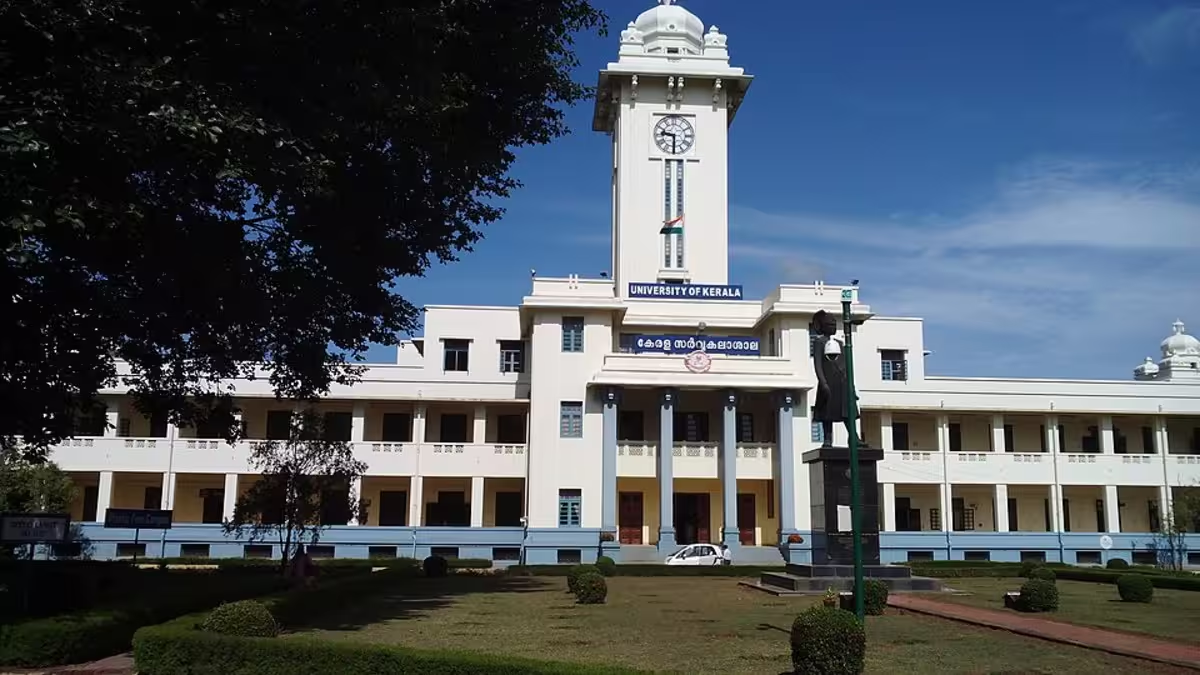
Kerala University Vice-Chancellor Mohanan Kunnummal has come under fire after his recent statement suggesting that those who do not sing the national song Vande Mataram "do not know who their mother is." The remark, made during an event organized by the Rashtriya Swayamsevak Sangh (RSS), has drawn sharp criticism from opposition leaders in the state, who accuse him of promoting a divisive political agenda.
Political Leaders Condemn VC's Statement
The opposition Left Democratic Front (LDF), particularly the Communist Party of India (Marxist) and the Communist Party of India, voiced strong disapproval of Kunnummal's comments. CPI(M) state secretary M V Govindan accused the Vice-Chancellor of aligning with the RSS's ideological goals, stating that Kunnummal's participation in RSS events and his speeches glorifying the organization are inappropriate for someone in his academic position. Govindan said, "He is trying to implement the saffronisation agenda of the Sangh Parivar. That is why he goes to all RSS events and makes speeches that glorify the RSS. He is not behaving in a manner a VC should."
Similarly, CPI leader and former state minister G R Anil described the remarks as "regrettable" and of "low standards." He expressed that such statements are humiliating for the people of Kerala and accused the central government of using the national song as a tool to create communal divisions for political gain. Anil also criticized the current Congress-led United Democratic Front (UDF) state government for what he perceives as an appeasing stance toward the central government, noting that the state did not recite Vande Mataram during its official Independence Day celebrations despite directives from the Union government.
Understanding the Controversy Around Vande Mataram
Vande Mataram, a patriotic song written by Bankim Chandra Chatterjee in the 19th century, holds a significant place in India's independence movement and is recognized as the national song. However, its use has been contentious in some parts of India, including Kerala, where sections of the population have expressed discomfort due to perceived religious and cultural connotations. Some groups argue that the song's imagery and language do not represent the diverse identities within India, leading to debates about its compulsory singing at official events.
The RSS, a right-wing Hindu nationalist organization, has long promoted Vande Mataram as a symbol of national unity and patriotism. Critics, however, accuse the group of using the song to further a Hindu majoritarian agenda, which opponents say marginalizes minority communities. This tension is reflected in Kerala, where political parties and social groups often clash over the song's role in public life.
Implications of the VC's Remarks on Academic Neutrality
The Vice-Chancellor's public endorsement of Vande Mataram and association with the RSS has raised questions about the role of academic leaders in maintaining political neutrality. Universities are traditionally expected to be spaces for inclusive dialogue and free from partisan influence. Critics argue that Kunnummal's statements risk alienating students and faculty who may hold diverse views or belong to minority communities.
Moreover, the controversy highlights broader political dynamics in Kerala, where the interplay between state and central government policies often influences cultural and educational debates. The opposition's backlash against the VC underscores concerns about the perceived encroachment of nationalist ideologies into academic institutions, potentially affecting campus harmony and academic freedom.
Frequently Asked Questions
Q: What did Kerala University Vice-Chancellor Mohanan Kunnummal say about Vande Mataram?
A: He stated that those who do not sing Vande Mataram "do not know who their mother is," during an event organized by the RSS.
Q: Why are political leaders criticizing the Vice-Chancellor's remarks?
A: Opposition leaders accuse him of promoting the RSS's political agenda and undermining the neutrality expected of an academic leader. They also see the remarks as divisive and humiliating for Kerala's diverse population.
Q: What is the significance of Vande Mataram in India?
A: Vande Mataram is India's national song, historically associated with the independence movement. However, its use has been controversial in some regions due to cultural and religious sensitivities.