Government Launches Major Program to Boost Pulse Production and Self-Sufficiency
The government is taking steps to increase the production of pulses, aiming for self-sufficiency by 2030–31. The initiative includes financial investments, new programs, and plans to support farmers and improve pulse quality.
4 min read276 views
The government has announced a new plan to make the country more self-reliant in pulse production. This plan is called the 'Mission for Aatmanirbharta in Pulses.' It is a six-year program that started in 2025 and will continue until 2031. The government has allocated more than ₹11,440 crore for this mission. The goal is to increase the amount of pulses grown and ensure the country produces enough to meet domestic needs.
The mission aims to expand the area where pulses are cultivated. Currently, pulses are grown on about 27.5 million hectares of land. The plan is to increase this to 31 million hectares by 2031. Along with spreading out the land, the government wants to increase how much pulse is produced each year. Right now, the country produces about 24.2 million tonnes of pulses annually. The target is to boost this to 35 million tonnes.
Another important goal is to improve how much pulses are produced on each hectare of land. Presently, the productivity is around 880 kilograms per hectare. The government aims to increase this to 1,130 kilograms per hectare by the end of the program.
The government’s plans include developing high-yielding and pest-resistant pulse varieties. These new varieties are expected to be more climate-resilient, helping farmers grow pulses even in difficult weather conditions. Farmers will also receive support through the distribution of certified seed packets. The plan includes providing 1.26 crore quintals of certified seeds and giving 88 lakh free mini seed kits directly to farmers.
In addition, the government plans to establish about 1,000 processing units for pulses. Each of these units will benefit from a subsidy of ₹25 lakh to support their setup. By improving processing facilities, the government hopes to add value to pulses and help farmers sell their crops at better prices.
On October 11, 2025, the Prime Minister launched an important initiative called the 'Pradhan Mantri Dhan-Dhaanya Krishi Yojana.' This program marked a big investment in agriculture, animal husbandry, fisheries, and food processing sectors. The total funding for these efforts is more than ₹42,000 crore. The launch took place at the Pusa Campus in New Delhi.
In the middle of 2024, a government minister assured farmers that the government would buy pulses like tur, urad, and masoor at the minimum support price (MSP). The aim is to purchase 100% of these pulses from farmers through the e-Samridhi portal. This move is part of the government’s plan to achieve pulse self-sufficiency by 2027.
Further, in October 2025, government officials emphasized the importance of implementing these plans quickly and effectively. The director of agriculture in the state tasked with the pulse program directed the officials to ensure the goals are met on time. They want to increase the cultivation area, boost production, and improve productivity to reach set targets by 2031.
On February 7, 2026, a national conference was held at the Food Legumes Research Platform in Sehore, Madhya Pradesh. The conference focused on the 'National Mission for Pulses Self-Reliance.' It brought together experts and officials to discuss ways to increase pulse production and improve farmers’ income. Topics included enhancing seed quality, adding more value to pulses, and making farming more profitable.
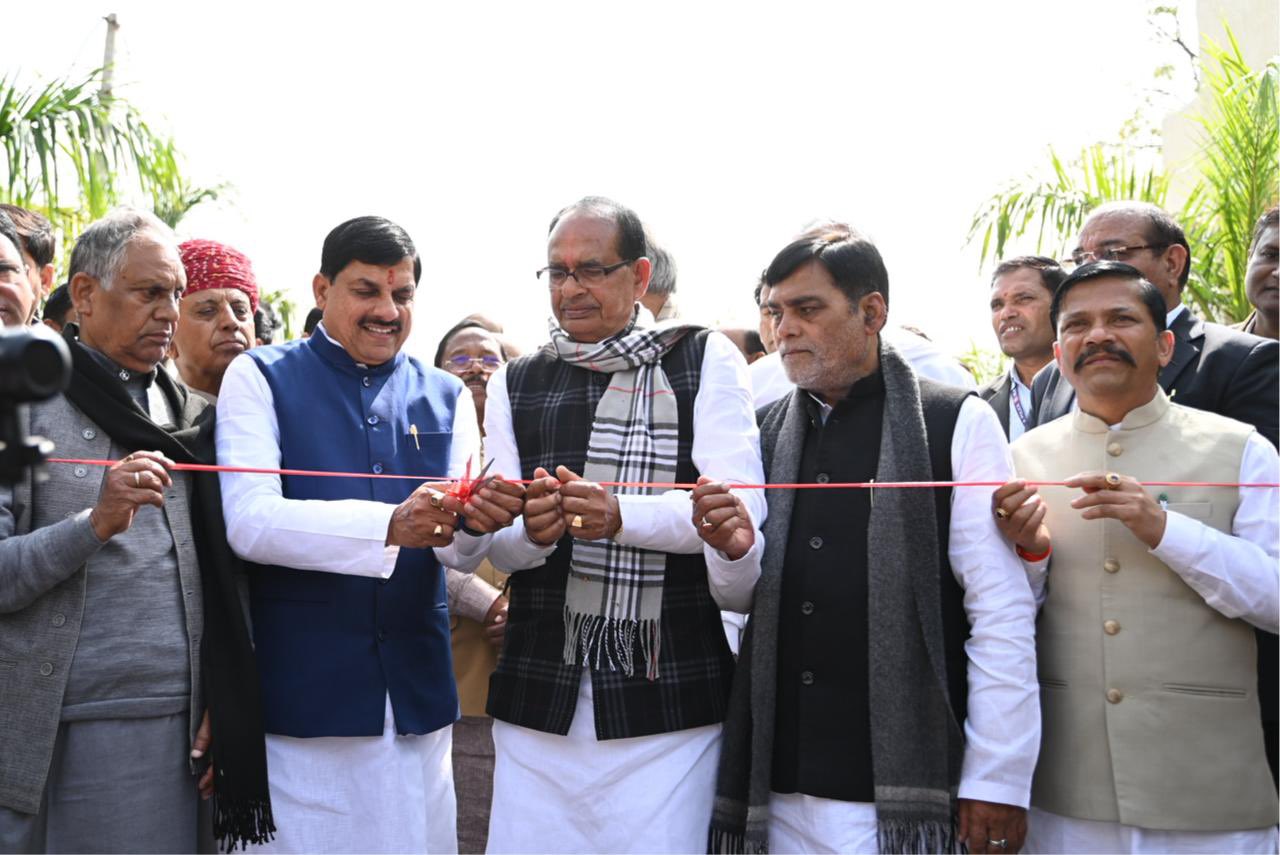
As of early 2026, there is no official confirmation about the launch of a separate 'Pulse Self-Reliance Mission' by the Union Minister Shivraj Singh Chouhan. However, the government is actively working on the components and goals of the larger campaign to achieve greater pulse self-sufficiency in the country.
Overall, these efforts reflect the government’s commitment to strengthening the agricultural sector and reducing dependence on imports. Increasing pulse production not only helps farmers but also supports food security for the nation in the future.