India and Germany are stepping up their efforts to become closer friends and work together more tightly. It’s like two big players in the world’s economy trying to join forces for a brighter future. Their meeting was more than just a handshake; it was a sign that both nations want to build a stronger bond, especially in business and security.
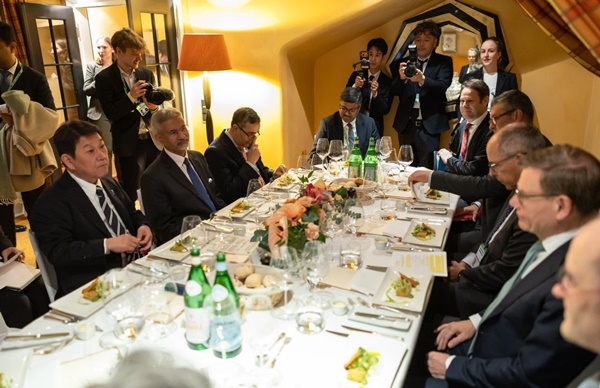
On January 12, 2026, a significant event took place in Gandhinagar, a city in the Indian state of Gujarat. German Chancellor Friedrich Merz traveled all the way to India to meet with Indian Prime Minister Narendra Modi. This was not just a casual meeting. It was a special meeting with a purpose – to find ways to work better together. Both leaders talked about their mutual interests, especially in trade and safety.
The main focus of their discussion was how to make their economic and security partnership stronger. They looked at ways to increase business between their countries and to share important safety information. For example, Germany wants to help India improve its security systems and also hopes to sell more of its technology and goods to India. At the same time, India wants to share its fast-growing markets and ideas with Germany.
One big topic on the table was a possible free trade deal. Chancellor Merz mentioned that the European Union, which is a group of many European countries including Germany, might soon sign an agreement with India. He said they are aiming to have a deal ready by the end of January 2026. If everything goes well, leaders from the EU might even travel to India to make the deal official.
So, what is this free trade agreement, or FTA? Think of it as a special handshake agreement that helps countries trade more easily. This particular FTA would remove many taxes, called tariffs, on over 90% of goods traded between India and the European Union. Tariffs are extra costs that make goods more expensive. Removing them means companies can sell more products at lower prices. This helps both sides—German companies could sell more of their products in India, and Indian companies could export goods to Europe more easily.
The benefits are quite big. For Germany, it means gaining access to India’s huge market, which is growing fast. For India, it’s a chance to get new technology and reach more customers in Europe. This could open many doors for Indian exports, like cars, clothing, or tech gadgets, while German companies could get access to Indian spices, textiles, and other goods.
But, it’s important to know that as of January 13, 2026, nothing has been officially signed or finalized. Negotiations are still happening. Everyone is working hard to reach an agreement, but they want to make sure all details are correct before sealing the deal.
Why does all this matter? Well, an agreement like this could be a game-changer. It would strengthen economic ties between India and Germany, making trade faster, easier, and cheaper. This could create more jobs, lower prices for consumers, and help both nations grow stronger economically. Plus, it might help improve the larger relationship between the European Union and India, promoting peace and cooperation in many areas.
The meeting and the ongoing negotiations show a clear goal: both sides want to work together for mutual benefit. They see the value of stronger trade and better security connections. But, like all big deals, patience is needed. They are working out the details with hope that everything will be ready soon.
In summary, India and Germany are on a path to work more closely. They are exploring new ways to trade and cooperate. If they succeed, it could mean more opportunities for businesses and better security for both countries. While nothing is signed yet, their efforts reveal a shared desire to grow together. All eyes are now on the end of January 2026, when a new chapter in their relationship might begin.