India, Canada Sign Energy Cooperation Statement at IEW 2026
India Energy Week 2026 in Goa saw important discussions between India and Canada on energy cooperation and sustainability. This event marked a significant step in their bilateral energy partnership.
4 min read247 views
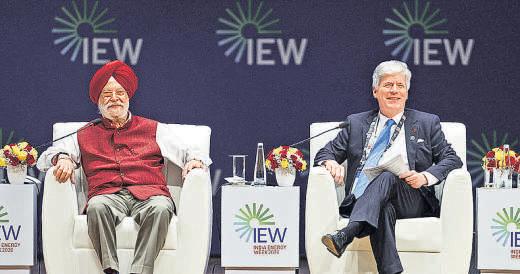
India Energy Week 2026 took place in Goa on January 27, 2026. This event brought together important leaders from around the world. Among the guests were H.E. Shri Hardeep Singh Puri, India’s Minister of Petroleum and Natural Gas, and H.E. Timothy Hodgson, Canada’s Minister of Energy and Natural Resources.
This was a special occasion because it marked the first time a Canadian Cabinet Minister attended the Indian Energy Week. This shows how the relationship between India and Canada is growing stronger, especially in the field of energy. Both countries see energy cooperation as very important for their future.
Many key topics were discussed during the event. One of the main ideas was the need for energy security. Both nations want to make sure they have enough energy supplies now and in the future. This means they are working to find ways to have more reliable and diverse sources of energy. Having a variety of energy sources helps countries avoid problems if one source becomes scarce or expensive.
Canada shared its goal to become a leader in the global energy market. The country aims to develop and share both clean energy and traditional energy resources. Clean energy includes renewable options like wind, solar, and biofuels, which are better for the environment. Traditional energy refers to oil, natural gas, and other fossil fuels. Canada’s plan shows it wants to be a major player in all types of energy.
India, on the other hand, is one of the world's biggest energy consumers. It is the third-largest oil consumer and the fourth-largest importer of liquefied natural gas (LNG). During the event, India discussed how it wants to increase its energy trade. This means buying more energy resources from other countries like Canada.
Agreements were made to help this cooperation grow. Canada agreed to supply India with LNG, LPG (liquefied petroleum gas), and crude oil. These are important fuels used in homes, industries, and transportation. India also agreed to export refined petroleum products to Canada, which are fuels processed from crude oil to meet specific needs.
The countries also talked about working together on new energy technologies. These include renewable energy sources like solar and wind power, battery storage to store electricity, and critical minerals used in many modern devices. They also want to develop clean technologies to reduce pollution and support AI (artificial intelligence) in energy management. These areas are seen as vital for building a sustainable and environmentally friendly energy system.
Both India and Canada expressed their support for global efforts to promote sustainable energy. An example is the Global Biofuels Alliance. Canada is an observer in this international group, which works to boost the use of renewable fuels around the world. This shows a shared commitment to fighting climate change and reducing greenhouse gas emissions.
The event also emphasized the importance of continued dialogue. Both governments plan to keep working together through official government channels and business partnerships. Regular conversations and collaborations will help them overcome challenges and make the most of their resources.
Many people see India Energy Week 2026 as a significant step forward. It helps strengthen global and bilateral energy cooperation. Such partnerships are essential for creating a more sustainable and secure energy future for both countries and for the world.
The event was held on January 27, 2026. It was historic because it was the first time a Canadian high-level official participated in Indian Energy Week. The main focus was on boosting energy trade and working together on clean and renewable energy projects.
Officials from both countries confirmed their shared goals. They want to ensure energy security, support sustainability, and contribute to global climate efforts. Future plans include ongoing talks and projects to deepen their partnership in the energy sector. All these efforts show how India and Canada are committed to working together to create a better and greener energy future for everyone.