India Declares Menstrual Health a Fundamental Right for School Girls
The Supreme Court of India has recognized the right to menstrual health as a basic right under the Constitution. It has issued important orders to improve facilities and access for school girls across the country.
5 min read228 views
On January 30, 2026, a very important decision was made by the Supreme Court of India. The court officially declared that the right to menstrual health is a fundamental right. This means that every girl and woman in India has a basic right to take care of their menstrual health, just like their right to health, education, and dignity. The court's decision is based on a law called the Constitution, which is the main legal rulebook of India. Under this law, Article 21 protects an individual’s right to life and personal liberty. Now, the court has clearly said that menstrual health is part of this right.
This ruling is very significant because it shows that the government must work to make sure every girl has access to proper facilities for managing menstruation. It emphasizes that taking care of menstrual health is not just a personal matter but a legal right that must be protected and promoted.
### Key Highlights of the Ruling
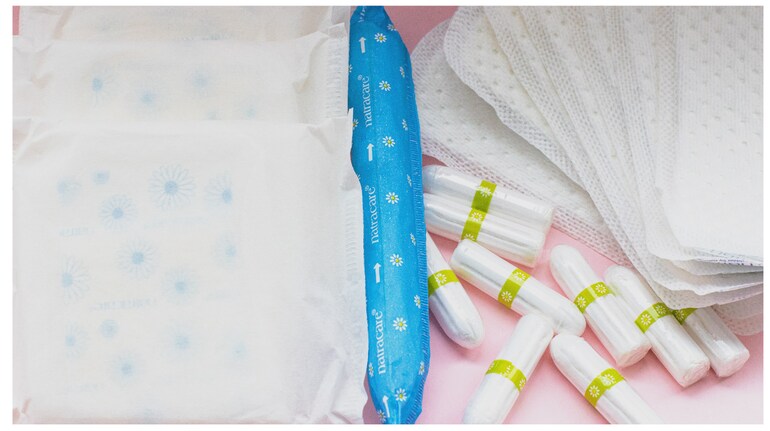
One of the big points from this decision is that all states and Union Territories—these are different regions within India—must provide free, biodegradable sanitary pads to girl students. This needs to happen in both private and government schools. The idea is to make sanitary pads affordable and easy to access in schools so that no girl has to miss school because she cannot afford or find these pads.
Another important requirement is that every school must have clean, separate toilets for boys and girls. This helps protect girls’ privacy and dignity. It also encourages girls to attend school regularly without feeling uncomfortable or unsafe.
The court also stressed that schools should have accessible toilets for students with disabilities. These facilities should be designed to allow every student, regardless of their physical abilities, to use them comfortably. Making toilets disabled-friendly is a step towards equality. It shows that all students, no matter their physical condition, have the right to proper hygiene facilities.
The court warned that private schools that do not follow these rules could lose their recognition. Recognition is an important status that allows a school to operate legally. If private schools ignore these requirements, they could lose their official recognition, which could lead to closure. This is to ensure that all schools follow the same high standards.
The Supreme Court highlighted that not providing proper facilities affects girls’ rights to education, health, privacy, and dignity. If girls do not have clean toilets or sanitary pads, they might skip school, get sick, or feel ashamed. Ensuring these facilities exist helps girls stay in school and participate fully in their education.
This ruling is also based on a Public Interest Litigation, which is a legal way to raise issues for the benefit of society. The case was filed in December 2024, showing how citizens and organizations can work with the courts to bring about positive changes in society.
### Government Actions and Achievements
The government took the issue seriously and approved a 'Menstrual Hygiene Policy for School Going Girls' in November 2024. This policy aims to raise awareness about menstrual hygiene and improve sanitation facilities in schools. It focuses on teaching girls about menstrual health, reducing stigma, and ensuring they have access to hygienic products and clean toilets.
Since the court's ruling, progress has been made across India. More than 97.5% of schools now have separate toilets for girls, which is a very high number. Some states have even achieved 100% compliance, meaning all their schools meet the standards.
In terms of infrastructure, over 34 lakh toilets have been built in government schools. Specifically, over 16 lakh toilets are for boys, and around 17.5 lakh are for girls. Many schools, including those supported partly or fully by the government, now have proper toilets and facilities like hand-washing stations. These improvements are helping to create a healthier and more comfortable environment for students.
### Why the Ruling Matters
This decision by the Supreme Court is a big step forward for women's and girls' rights in India. When girls have access to proper menstrual hygiene facilities, they are more likely to stay in school. This means they can learn better, grow confidently, and have more chances for a better future.
The ruling also emphasizes the importance of dignity and privacy. Every girl deserves to manage her menstrual health in a clean and safe environment. Providing these facilities is not just a matter of health but also of respect.
By making menstrual health a fundamental right, the Court has urged the government and schools to continually improve and maintain these facilities. It encourages policies and programs that support women's health and safety, making society more equal and fair.
### Important Dates and Numbers
- The Supreme Court made its decision on January 30, 2026.
- The 'Menstrual Hygiene Policy' was approved on November 2, 2024.
- Over 97.5% of schools now have separate toilets for girls.
- Nearly 34 lakh toilets have been constructed across Indian schools.
### Conclusion
In summary, this ruling by the Supreme Court highlights that taking care of menstrual health is a legal right for every girl. It emphasizes the need for clean, accessible, and private toilets, and for free sanitary products in schools. The government has already made progress by building many toilets and raising awareness. This decision helps ensure that girls in India can continue their education safely and with dignity, giving them a better chance at a healthy and respectful future.