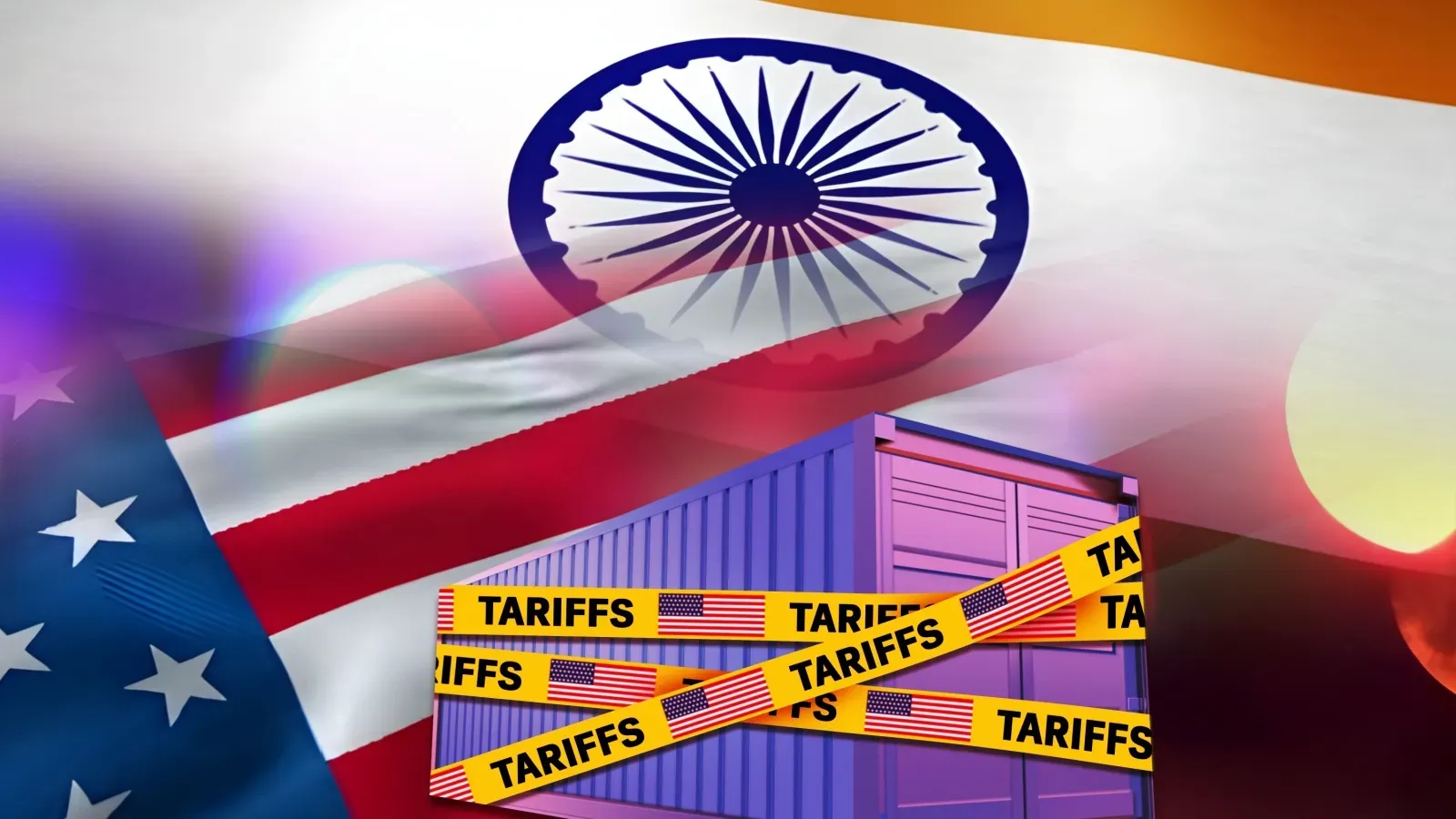
India’s merchandise exports to the United States, its largest export market, experienced a slight decline in June 2026, while imports from the US rose sharply. At the same time, trade with China showed robust growth in both directions, leading to a substantial trade deficit. These shifts highlight evolving trade dynamics as India navigates complex global economic relationships.
Understanding India’s Trade Landscape with Major Partners
India’s trade with the US and China forms a critical part of its international commerce. The US has traditionally been the largest destination for Indian exports, encompassing sectors like pharmaceuticals, textiles, and technology services. China, on the other hand, is a major source of imports, supplying electronics, machinery, and raw materials, making the trade balance with China a key economic indicator.
Trade data is typically analyzed monthly and quarterly to assess economic health and guide policy decisions. Variations in exports and imports can reflect global demand, currency fluctuations, geopolitical factors, and domestic production capabilities.
Key Trade Figures from June 2026 and Q1 FY27
- India’s exports to the US fell marginally by 1.21% year-on-year in June 2026, totaling $8.17 billion compared to $8.27 billion in June 2025.
- Imports from the US surged 33.86% to $5.5 billion in June 2026, up from $4.11 billion the previous year.
- For the April-June 2026-27 quarter, exports to the US remained nearly flat, declining 0.06% to $25.46 billion, while imports increased 23.82% to $16.65 billion.
- Trade with China showed stronger growth: exports jumped 31.49% to $1.8 billion in June, and imports rose 40.26% to $13.34 billion, resulting in a $11.54 billion trade deficit for the month.
- During the same quarter, exports to China increased 27.54% to $5.6 billion, while imports climbed 27.94% to $38.04 billion.
- Exports to Singapore also surged, rising 48.91% year-on-year in June to $1.44 billion, with a remarkable 101.16% increase for the quarter to $6.51 billion.
- Other countries showing export growth include the UAE, Netherlands, UK, Germany, South Africa, Bangladesh, Tanzania, Australia, Malaysia, Sri Lanka, Italy, and Vietnam.
- Imports from countries like Russia, UAE, Korea, Singapore, Japan, Germany, Oman, Malaysia, Taiwan, Thailand, Brazil, and Nigeria increased notably, with some countries like Nigeria seeing import growth over 300%.
Implications of Trade Trends for India’s Economy
The slight dip in exports to the US amid rising imports suggests a growing trade imbalance that could affect India’s trade deficit and currency stability. The US remains a vital market, so maintaining export momentum is crucial for sectors reliant on American demand.
The significant increase in imports from the US and other countries reflects India’s expanding consumption and industrial needs but also raises concerns about domestic manufacturing competitiveness. Policymakers may need to balance import growth with initiatives to boost local production.
China’s rising trade volumes, especially the widening deficit, underscore India’s dependence on Chinese goods. This could prompt efforts to diversify import sources or enhance domestic alternatives to reduce vulnerability.
The strong export growth to Singapore and other countries indicates opportunities for India to expand its trade footprint beyond traditional partners, potentially offsetting slower growth in some markets.
Overall, these trade patterns highlight the complexity of India’s global economic engagement and the need for strategic trade policies to support sustainable growth.
Frequently Asked Questions
Q: Why did India’s exports to the US decline slightly in June 2026?
A: The marginal decline could be due to fluctuating demand, supply chain challenges, or currency variations affecting competitiveness. However, the drop was small, indicating relative stability in trade relations.
Q: What caused the sharp rise in imports from the US and other countries?
A: Increased imports may reflect higher domestic demand for goods, industrial inputs, or technology products. It also suggests India’s growing consumption and investment needs.
Q: How does the trade deficit with China impact India’s economy?
A: A large trade deficit means India imports much more from China than it exports, which can affect the country’s foreign exchange reserves and trade balance. It may encourage policies to promote domestic manufacturing and diversify import sources.