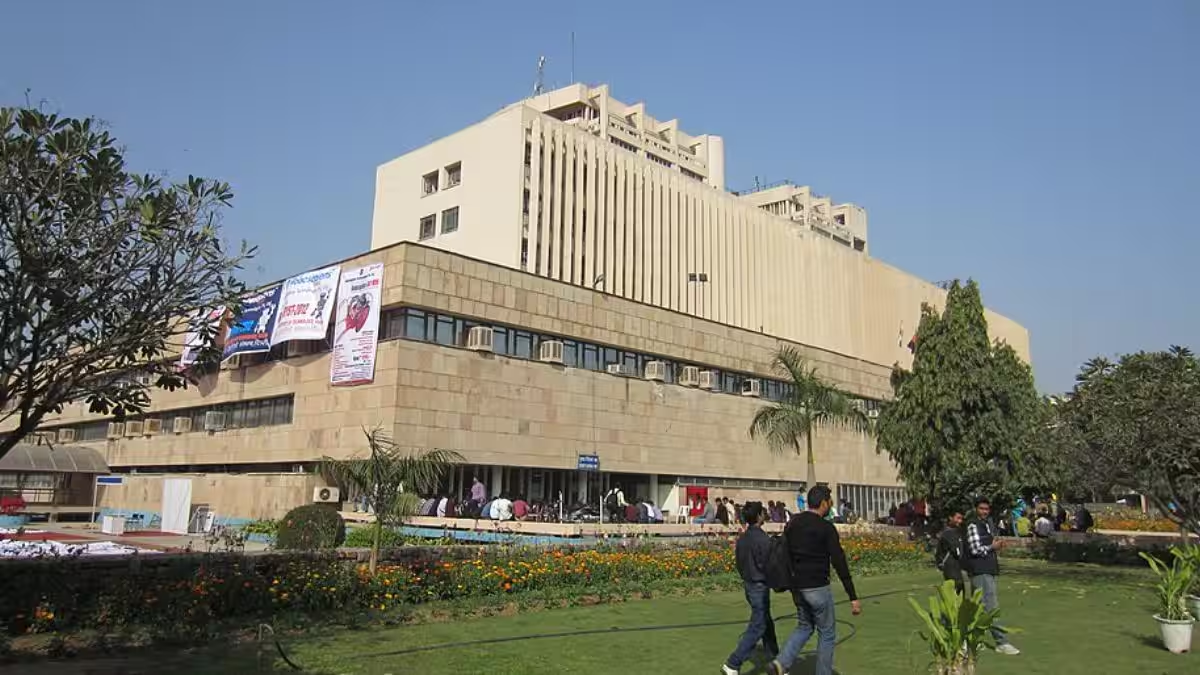
The Indian Institute of Technology (IIT) Delhi has established an external inquiry committee to examine the circumstances surrounding the death of student Rishikesh Kumar. The committee is chaired by Justice Mukta Gupta, a retired judge of the Delhi High Court, and includes experts and student representatives. This move comes after protests by students demanding a thorough investigation and greater transparency from the institute.
Why IIT Delhi Formed an External Inquiry Committee
Rishikesh Kumar, an MSc Physics student at IIT Delhi, tragically passed away under circumstances that have raised serious concerns among the student body and faculty. In response, the institute appointed a five-member panel to investigate the matter comprehensively. The committee's mandate is to engage with students, faculty, and administrative offices to review existing protocols and suggest improvements. The inquiry is expected to be completed within two weeks.
The panel includes Justice Mukta Gupta as chairperson, Pratap Sharan, head of Psychiatry at AIIMS New Delhi, and two IIT Delhi students—Saket Kumar from MSc Physics and Vikas Choudhary from MSc Mathematics. Atul Vyas, the registrar, serves as secretary and convenor, with secretarial support from Abhishek Kumar and Durvesh Yadav.
Details of the Inquiry and Student Demands
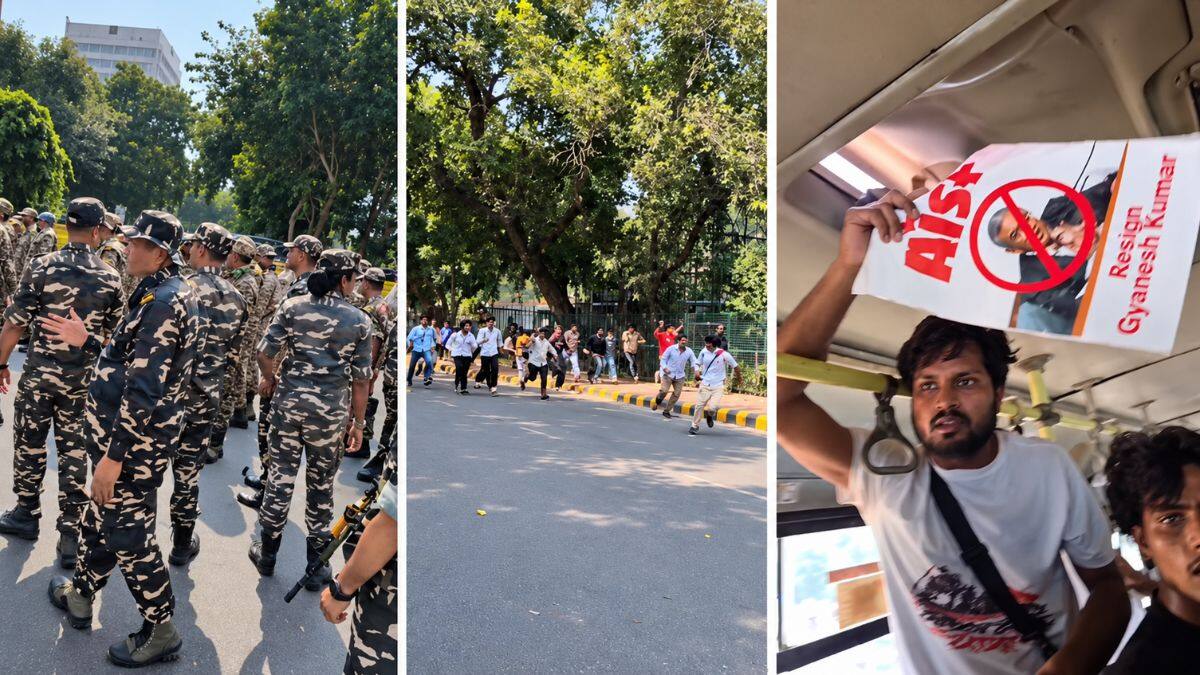
- Students protested following Rishikesh's death, demanding changes in the inquiry's leadership and inclusion of student-nominated members.
- The director of IIT Delhi agreed to appoint Justice Mukta Gupta as chairperson and accept student nominations for committee members.
- Protesting students want the inquiry to investigate alleged insensitive behavior by administrators and staff, as highlighted by Rishikesh's mother in her police statement.
- They have called for appointing an acting associate dean of hostel management and an associate dean for student welfare during the inquiry to ensure fairness.
- Students also demand transparency regarding IIT Delhi's mental health support systems and protocols for responding to student distress.
- There is a strong call for systematic reforms in student services beyond the immediate inquiry.
- Compensation for Rishikesh's family, particularly his mother, remains a pressing issue, with students urging IIT Delhi to coordinate fundraising efforts to reach a target of Rs 1 crore.
- The students emphasize that discussions about compensation should involve Rishikesh's family, his batchmates, and the IIT administration.
Why This Inquiry Matters to the IIT Delhi Community
The formation of this external panel reflects the institute's recognition of the gravity of the situation and the need for an impartial investigation. The involvement of a retired High Court judge and a leading psychiatrist aims to ensure a balanced and thorough review. For students, the inquiry represents a critical step toward addressing concerns about mental health support, administrative accountability, and campus culture.
Moreover, the inquiry's findings could influence future policies on student welfare and crisis management at IIT Delhi. The demand for transparency and accountability highlights the growing awareness among students about the importance of mental health and respectful treatment within academic institutions.
The ongoing protests and calls for administrative changes underscore the community's desire for systemic improvements, not just in response to this tragedy but to prevent similar incidents in the future.
Frequently Asked Questions
Q: Who is leading the inquiry into Rishikesh Kumar's death?
A: The inquiry is chaired by Justice Mukta Gupta, a retired judge of the Delhi High Court, supported by experts and student members.
Q: What are the main demands of the protesting students?
A: Students want a thorough investigation including alleged administrative insensitivity, transparency in mental health protocols, appointment of interim deans for fairness, and compensation for Rishikesh's family.
Q: How long will the inquiry take to complete?
A: The committee has been given a two-week deadline to submit its report on the investigation.