Indian Railways draws up new plans to enhance rail connectivity in Jammu and Kashmir border areas
An overview of recent railway projects and upgrades in the Jammu and Kashmir region, highlighting key construction milestones and future plans.
3 min read194 views
Over recent years, significant progress has been made in developing railway infrastructure in the Jammu and Kashmir region. These projects aim to improve connectivity, safety, and transportation options in this mountainous area.
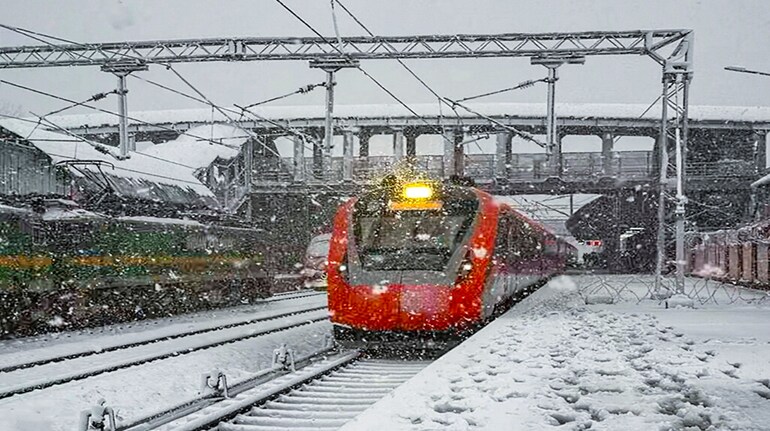
Key highlights include the inauguration of the Udhampur–Srinagar–Baramulla Rail Link in June 2025. This railway line connects the Kashmir Valley to the Indian plains, making travel easier and faster for residents and visitors alike.
In addition, the government has been actively considering new railway lines. In January 2025, detailed project reports were under review for lines connecting Uri, Kupwara, Poonch, and Rajouri. These plans are part of ongoing efforts to expand railway access throughout the region.
The Ministry of Railways approved the construction of new routes in September 2025. These include a 40.2 kilometer line between Baramulla and Uri, and the doubling of a 73.5 kilometer section between Qazigund and Budgam. Such projects are aimed at increasing the capacity and efficiency of train services.
Surveys for potential new rail lines have also been initiated. As of March 2025, surveys covered four routes: Baramulla–Uri (46 km), Sopore–Kupwara (37 km), Anantnag–Pahalgam (78 km), and Avantipora–Shopian (28 km). These surveys are the first step toward possible future railway expansions.
In February 2024, a major engineering milestone was achieved with the completion of India's longest transportation tunnel. Known as USBRL Tunnel 50, it measures 12.775 km and helps facilitate safer and smoother train journeys in the region.
To oversee these developments, a dedicated railway division was established in Jammu in January 2025. This division is responsible for managing operations not only within Jammu and Kashmir but also in Ladakh, Himachal Pradesh, and parts of Punjab.
Safety is a priority in these projects. In January 2025, safety inspections were carried out along the 111 km Banihal–Katra section. This route features numerous tunnels—97 kilometers of tunnels in total—and four major bridges, which require rigorous safety checks.
Enhancing connectivity to remote areas is also part of the plan. The Sonamarg Tunnel, a 6.5 km road tunnel opened in January 2025, provides all-weather access to Sonamarg, helping residents and tourists travel more easily despite weather conditions.
In June 2025, the region saw the inauguration of the iconic Chenab River bridge. This bridge spans 1,315 meters, with an arch span of 467 meters and rises 359 meters above the river. It is considered a remarkable engineering achievement and a vital part of the railway network.
Further improving regional transport, construction of the Delhi–Amritsar–Katra Expressway is underway. This 670 km controlled-access highway aims to connect Delhi with Katra in Jammu and Kashmir, reducing travel time and improving road safety.
The development of high-speed rail plans is also notable. In June 2025, a proposal was announced to build an Amritsar–Jammu High-Speed Rail Corridor. This project aims to cut travel time from New Delhi to Jammu by about ten hours, making travel faster and more comfortable.
Additional sections of the railway network have been upgraded for smoother operation. In February 2024, the Banihal–Sangaldan section of USBRL was completed, featuring ballast-less tracks to ensure more stable and comfortable rides.
Overall, these projects reflect a significant effort to improve transportation infrastructure in Jammu and Kashmir. They are expected to benefit travelers, boost tourism, and support economic growth in the region.
These ongoing developments show steady progress and long-term planning for the region’s connectivity needs. With more lines and infrastructure improvements planned in the future, Jammu and Kashmir are becoming better connected to the rest of India and beyond. This progress highlights the importance of modern transportation in supporting regional development and safety.