Indian Railways launches first-ever LNG-diesel dual-fuel DEMU train in Ahmedabad
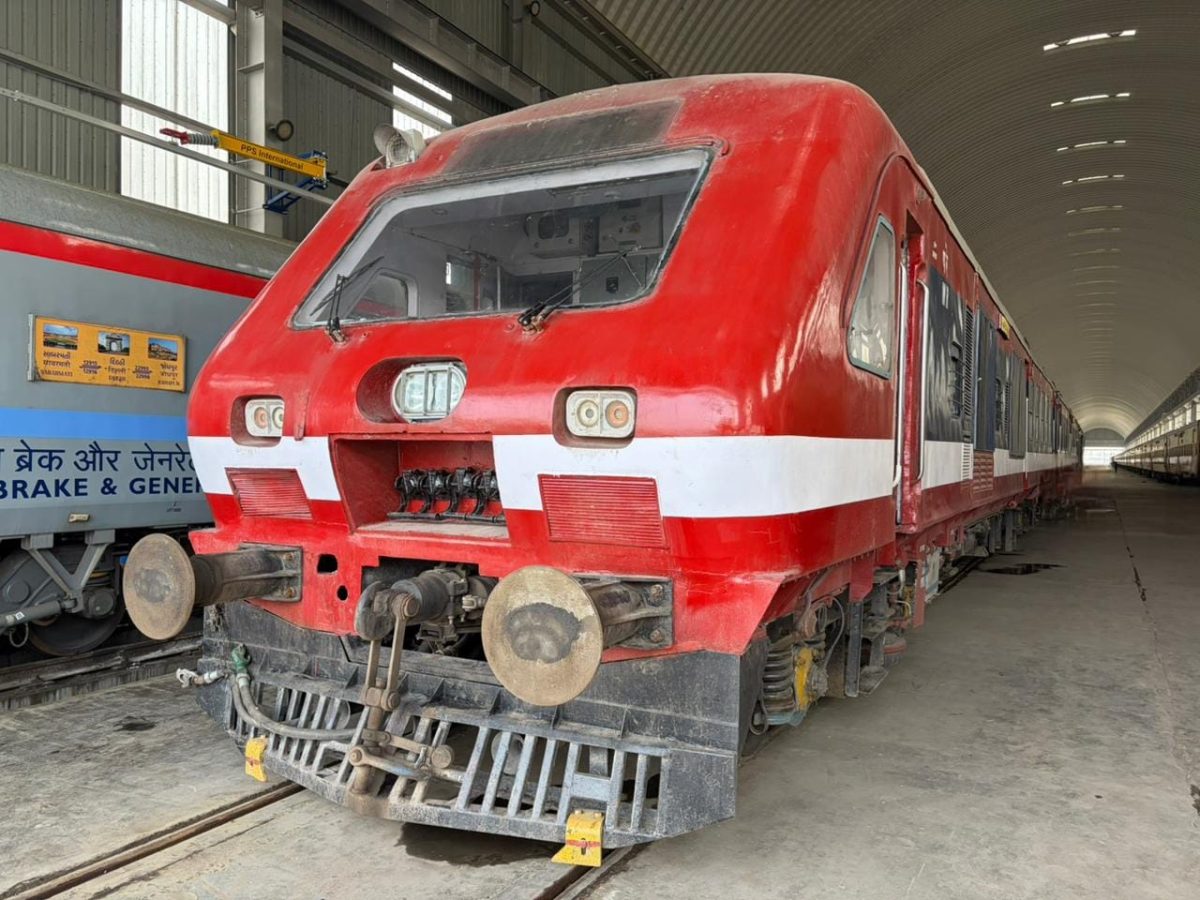
Indian Railways has launched its first LNG-diesel dual-fuel DEMU train in Ahmedabad, marking a step towards cleaner and more efficient rail travel.
4 min read310 views
Indian Railways has taken an important step toward cleaner energy by introducing a new type of train in Ahmedabad. This train is called a LNG-diesel dual-fuel DEMU, and it was launched on January 30, 2026, at Sabarmati station. This event marks a significant move for the railway system in India, showing a desire to combine traditional fuel with newer, more environmentally friendly options.
This train is special because it can run on two types of fuel. It can operate using both liquefied natural gas, known as LNG, and regular diesel fuel. This dual-fuel system allows the train to switch between fuels depending on what is needed. The key benefit is that the train can reduce its use of diesel fuel, which is more harmful to the environment. About 40% of the diesel used by the train can be replaced with LNG, thanks to this new technology.
Each power car of this train has a large tank that stores LNG. The tank can hold 2,200 liters of LNG, which is enough to give the train a range of up to 222 kilometers on a full tank. This means the train can travel quite a distance without needing to refill. The ability to run on LNG helps to cut down on emissions and pollution, making the train more environmentally friendly.
Before starting passenger service, the train underwent extensive testing. Over 2,000 kilometers of trial runs were carried out to ensure it works well and is safe for passengers. After successful testing, the train is now running smoothly in regular service. It has proven to be reliable and efficient during these tests, which is encouraging for future use.
Using LNG also brings financial benefits. Indian Railways expects to save around ₹11.9 lakh each year for each power car. Since a full train has two power cars, the total savings for one train would be about ₹23.9 lakh each year. These savings come from lower fuel costs, as LNG is generally cheaper than diesel. Reducing fuel costs helps Indian Railways spend less money on running trains, which can be used to improve other parts of the railway system.
The success of this train has encouraged Indian Railways to plan more such conversions. After seeing positive results, officials plan to convert at least eight more trains into dual-fuel systems. This move shows a strong commitment to adopting cleaner energy options across the railway network.
Currently, the LNG-diesel train is now operating as part of everyday passenger service. Its smooth operation confirms that the train technology is ready for wider use. This is an important step, as it shows the system can successfully work under real-world conditions, not just in tests.
This development is important for several reasons. First, it supports Indian Railways' goal of reducing pollution. Trains that run on cleaner fuels produce fewer harmful emissions, which is better for the environment and public health. Second, it helps lower costs for the railway system. By saving money on fuel, Indian Railways can use those savings to improve infrastructure, safety, and services for passengers.
This project also aligns with India’s broader plans to adopt alternative energy sources. Indian Railways has expressed its support for using not just LNG, but also electricity, solar power, and hydrogen. The goal is to make train operations more sustainable, reducing dependence on fossil fuels and helping India meet its climate commitments.
Safety and reliability remain top priorities for Indian Railways. The successful trials and emissions checks indicate that the LNG-diesel dual-fuel trains are safe to operate and environmentally friendly. As they are tested and used more widely, more improvements may be made to further enhance efficiency and safety.
This train launch is an example of how Indian Railways is working to modernize and become more environmentally responsible. It shows that innovative solutions like dual-fuel engines can help save costs, improve air quality, and reduce the railway system’s environmental footprint.
In summary, the introduction of the LNG-diesel dual-fuel DEMU train in Ahmedabad is a significant development for Indian Railways. It demonstrates the railway’s commitment to cleaner energy, cost savings, and sustainable growth. With proper testing and planning, this technology could be expanded to other parts of the country. It is an encouraging sign of progress toward making Indian trains more eco-friendly while keeping costs under control.