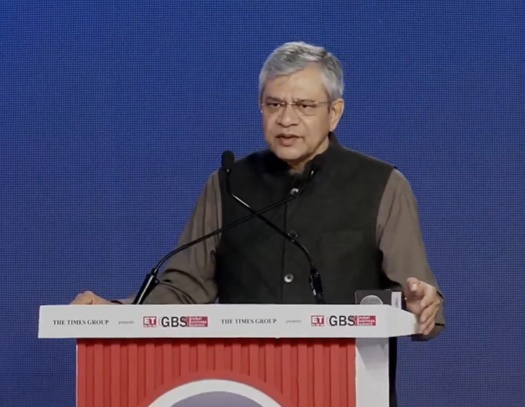
India's exports to the EU could double to $150 billion within five years of the FTA, says Piyush Goyal.
India and the European Union have agreed on a trade pact after two decades of talks. This agreement aims to boost trade and economic cooperation between the two regions.
4 min read274 views
India and the European Union have officially reached an agreement on a free trade deal as of January 27, 2026. This important step comes after nearly twenty years of negotiations. The deal aims to make trade easier and better for both India and the EU. It is expected to bring many benefits, including more jobs, more business opportunities, and stronger cooperation in different areas.
This trade agreement is a big deal because it can change how India and the EU work together. It shows that the two parties are committed to building a closer relationship through trade. For many years, India and the EU have talked about working together more closely, and now they have made an agreement to do that.
The free trade agreement, or FTA, covers almost all of India’s exports to the EU — about 99 percent. For the EU, it covers about 97 percent of its exports to India. This means that most goods traded between the two will be included in the deal. It is a sign that the agreement is broad and aims to remove many barriers that currently slow down trade.
A key part of the FTA is the removal of tariffs on many products. Tariffs are taxes added to imported goods. When tariffs are removed, products become cheaper for people to buy. For example, European cars, wine, and medicines will have lower or no tariffs when exported to India. Similarly, Indian textiles, engineering goods, and marine products will also be cheaper to buy in the EU. This will make these products more affordable for consumers and businesses.
However, the deal does not include some sensitive sectors. These are parts of trade that are very important to certain countries or groups, such as dairy, sugar, and meat. Because these sectors are sensitive, they are not part of the agreement. This was likely done to please all parties involved and avoid issues that could slow down the deal.
The agreement has big economic promises. It is expected that the total trade between India and the EU will grow from about $136.5 billion now to around $200 billion by the year 2030. This is a big increase and shows the high hopes for future growth. It is also believed that India’s exports to the EU could double within five years of the deal starting. That means Indian businesses could sell twice as many goods to Europeans, possibly reaching a value of $150 billion.
Beyond just trading goods, the deal also looks to improve cooperation in other important areas. It includes plans to work more closely in defense, security, and making it easier for workers and students to move between India and the EU. This indicates that the agreement is not just about buying and selling but also about strengthening ties in other fields.
At the moment, the formal signing and execution of the deal are still to happen. They are expected to take place later this year, but no specific date has been announced. Once signed, the agreement will need time to be put into practice and put into effect.
This agreement is important for many reasons. It could boost trade and economic relations between India and the EU quite significantly. More trade can lead to more jobs and economic growth in both regions. It can also open up new opportunities for businesses, especially small and medium-sized companies that want to expand into new markets.
Furthermore, the deal promotes closer cooperation in security issues and mobility. This can help both sides to better address threats and challenges that affect their countries. It can also help students and workers to travel and work more easily across borders, fostering cultural understanding and economic mobility.
In summary, this free trade agreement represents a major step forward in how India and the EU work together economically. While it is still in the process of being signed and implemented, its potential impacts are promising. It may lead to more trade, more jobs, and a stronger partnership between the two important players in the global economy. The agreement shows a commitment to long-term cooperation and shared benefits.