India’s tariff edge puts Bangladesh, Pakistan textiles and ASEAN food exports under pressure in US market
India's textile sector is impacted by increased tariffs from the US, affecting trade relations and export figures. Other countries like Bangladesh, Pakistan, and Vietnam are also affected by tariffs, influencing global textile trade dynamics.
3 min read286 views
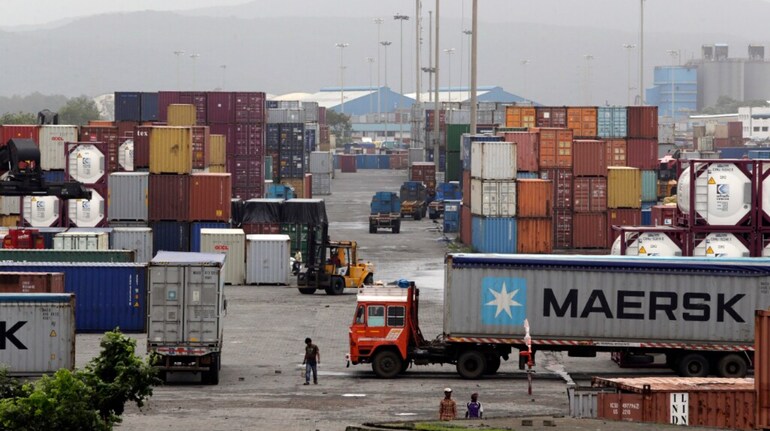
India's textile industry is currently facing challenges due to increased tariffs imposed by the United States. As of February 2026, India has a 26% tariff on textile exports to the US. This is higher than tariffs faced by other countries such as Bangladesh, which faces a 35% tariff, Pakistan with 19%, and Vietnam with 20%. The tariffs are part of broader trade adjustments that are affecting how textiles are traded between countries.
These tariffs can make Indian textile products more expensive in the US market, which can reduce Indian exports and give an advantage to other countries with lower tariffs. Countries like Bangladesh and Vietnam may benefit from these higher tariffs, as their goods become relatively cheaper for US buyers. For example, in 2024, the US imported over $2.98 billion worth of apparel from Bangladesh, showing a 29.33% increase compared to previous years. Bangladesh's exports to the US are growing as tariffs create opportunities for its textile industry.
Additionally, the United States imported a total of over $38 billion worth of knitted or crocheted apparel in 2024 from its top supplier countries. China remains the largest supplier with over $10.6 billion in imports, followed by Vietnam at $8.7 billion, and other countries like Bangladesh, Cambodia, and India contributing significantly. These figures highlight the importance of the US market for Asian textile exporters.
Pakistan, another key player, exported textiles worth $5 billion to the US in 2024. This amount accounts for about 92% of Pakistan’s total exports to the USA. Pakistan’s reliance on the US market makes the impact of tariffs especially significant for its textile sector. Similarly, India exported textiles worth $2.44 billion to the US in 2024, representing nearly 28% of the country's total textile exports, which totaled $36 billion. India competes directly with countries like Bangladesh, Vietnam, China, and Indonesia for US market share.
The US imports a large volume of textiles and apparel, specifically under the categories of home textiles and related products, with a total value of $101.8 billion in 2024. This highlights the importance of the US as a major global market for textiles and garments, making trade policies and tariffs highly influential for the industry.
Trade experts note that India’s share in US textile imports includes 17.1% of made-up textile articles and 7% of non-knitted apparel. These figures show India’s significant role in supplying products to the US market, despite challenges posed by tariffs. Meanwhile, other countries like Bangladesh and Pakistan continue to expand their presence due to their competitive pricing and large export volumes.
The impact of tariffs on global trade is complex. They can create opportunities for some countries while challenging others. Countries with lower tariffs might see increased exports, but overall, tariffs tend to slow down trade growth and can lead to higher prices for consumers.
The ongoing trade adjustments highlight the importance of countries adapting their strategies to maintain their share in the US market. For India, finding ways to reduce costs or improve competitiveness might be crucial to offset the effects of tariffs. For other exporting countries, tariffs might serve as a catalyst to increase their own production and exports.
In conclusion, the tariffs imposed by the US on textile exports continue to influence the international textile trade landscape. India's trade with the US is affected, and other countries are also impacted differently depending on their tariff levels and market strategies. The situation remains dynamic as trade policies and global demands evolve.