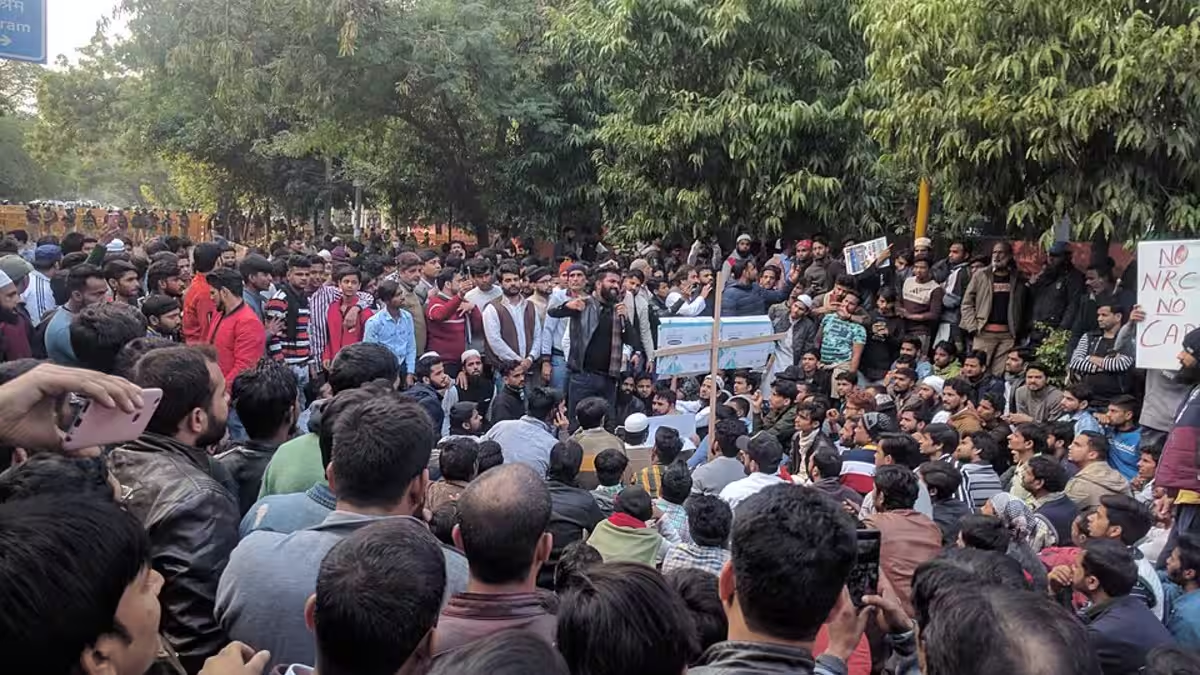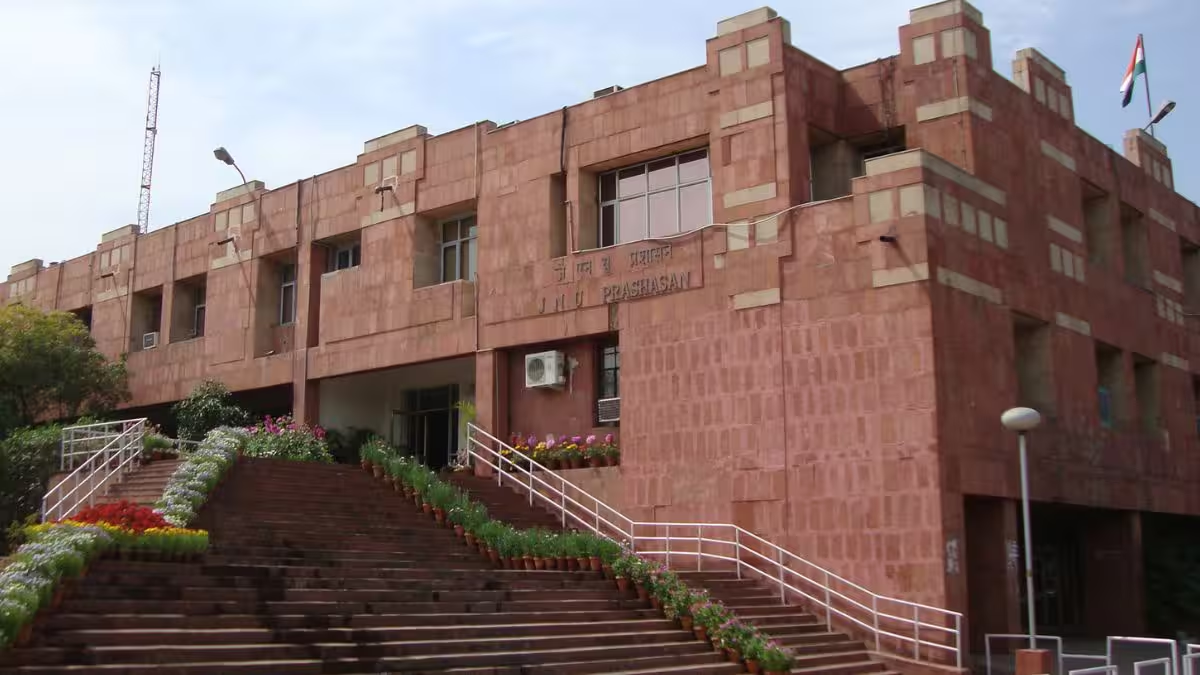
Jamia Millia Islamia (JMI) has formed a high-level seven-member committee to interact with protesting students and help restore normalcy on campus. This step comes after days of protests triggered by allegations of assault by security guards and demands for the restoration of the students' union, which has not been held since 2006.
- The committee includes deans and faculty from various departments such as humanities, life sciences, social sciences, student welfare, and academic affairs.
- It aims to hear student grievances and submit a report to the Vice-Chancellor promptly.
- Student protests intensified following a hunger strike demanding student representation and union elections.
- The All India Students’ Association (AISA) has demanded withdrawal of disciplinary actions and reinstatement of union elections.
- The protests follow similar student union election movements at other universities like Aligarh Muslim University.
Why did Jamia Millia Islamia students protest?
The protests began after students alleged that security guards assaulted them and demanded the restoration of the Jamia Millia Islamia Students’ Union (JMISU). The students also called for greater representation in campus decision-making. On October 13, three students started a hunger strike to press these demands, which later escalated into larger unrest on campus.
What is the role of the newly formed committee?
The seven-member high-level committee, formed by the JMI administration, includes deans and faculty members from various academic and welfare departments. Its role is to interact directly with the protesting students, listen to their grievances, and work towards restoring peace and normal functioning on campus. The committee is expected to submit its findings and recommendations to the Vice-Chancellor at the earliest opportunity.
What has been the university's history with student union elections?
Jamia Millia Islamia has not held student union elections since 2006. The current protests highlight the students’ demand to revive these elections and ensure student participation in university governance. This demand aligns with recent developments at other universities, such as Aligarh Muslim University, which recently agreed to conduct student union elections after nearly eight years.
How has the university administration responded to the protests?
The administration formed the committee to engage with students and address their concerns. However, student groups like the All India Students’ Association (AISA) have accused the university of using force against protesters. AISA also claims that students involved in the hunger strike were removed from campus and suspended. They have demanded the withdrawal of these disciplinary actions and the reinstatement of student union elections.
What are the key demands of the protesting students?
The students are primarily demanding:
- The restoration of the Jamia Millia Islamia Students’ Union (JMISU).
- Student representation in campus decision-making processes.
- Withdrawal of disciplinary actions against protesting students.
- Ensuring peaceful campus environment and respect for student rights.
Frequently Asked Questions
Q: When were the last student union elections held at JMI?
A: The last student union elections at Jamia Millia Islamia were held in 2006.
Q: What triggered the recent protests at Jamia Millia Islamia?
A: The protests began after allegations of assault by security guards on students and demands for the restoration of the student union and representation in campus governance.
Q: What is the composition of the committee formed by JMI?
A: The committee consists of seven members, including deans and faculty from departments such as humanities, life sciences, social sciences, student welfare, and academic affairs.
Q: Has the university taken any disciplinary action against protesting students?
A: According to student groups like AISA, some students participating in the hunger strike were removed from campus and suspended, which has been strongly opposed by the protesters.
Q: Are other universities also holding student union elections after long gaps?
A: Yes, for example, Aligarh Muslim University recently agreed to hold student union elections after nearly eight years, reflecting a wider movement for student representation in universities.