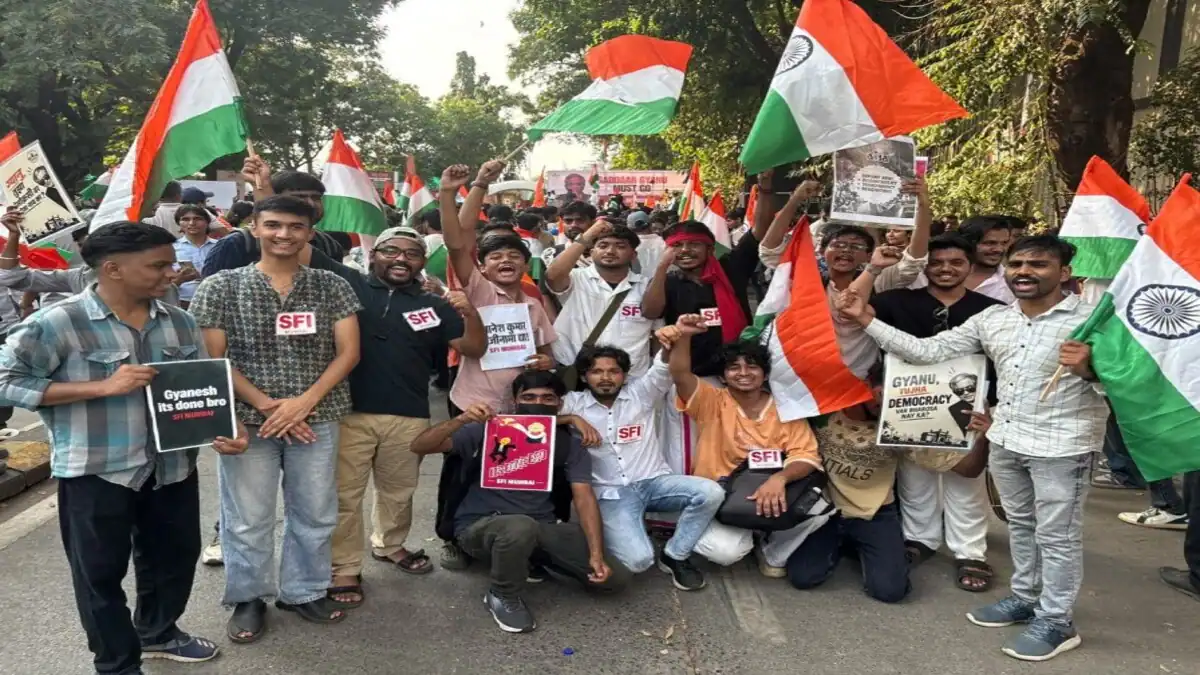
Students in Jharkhand have extended their protest into the 23rd day, voicing strong opposition to alleged irregularities in state recruitment examinations. The agitation, led by the JPSC-JSSC Reforms Manch, escalated with plans to burn effigies of Chief Minister Hemant Soren and Congress leader Rahul Gandhi across all 24 districts of Jharkhand. The protesters accuse the ruling JMM-Congress alliance of ignoring their demands and politicizing the issue.
Understanding the Jharkhand Recruitment Exam Controversy
Recruitment examinations in Jharkhand, conducted by the Jharkhand Public Service Commission (JPSC) and Jharkhand Staff Selection Commission (JSSC), are critical for thousands of job aspirants seeking government employment. Allegations of exam irregularities, including question paper leaks and unfair practices, have sparked widespread distrust in the recruitment process. The JPSC-JSSC Reforms Manch, a coalition of students and job seekers, has been at the forefront of demanding transparency and reforms to restore faith in the system.
The protests began after reports surfaced of malpractices in various exams, including the JSSC Combined Graduate Level (CGL) test and certain Jharkhand PSC examinations. The movement has since grown, with participants calling for cancellation of the compromised exams and an independent investigation into the recruitment process.
Key Developments in the Ongoing Protest
- The protest entered its 23rd day with students announcing plans to burn effigies of Chief Minister Hemant Soren and Congress leader Rahul Gandhi in all 24 districts on Sunday.
- On August 20, protesters intend to gherao (surround) the Chief Minister's residence in Ranchi, demanding his resignation over alleged government inaction.
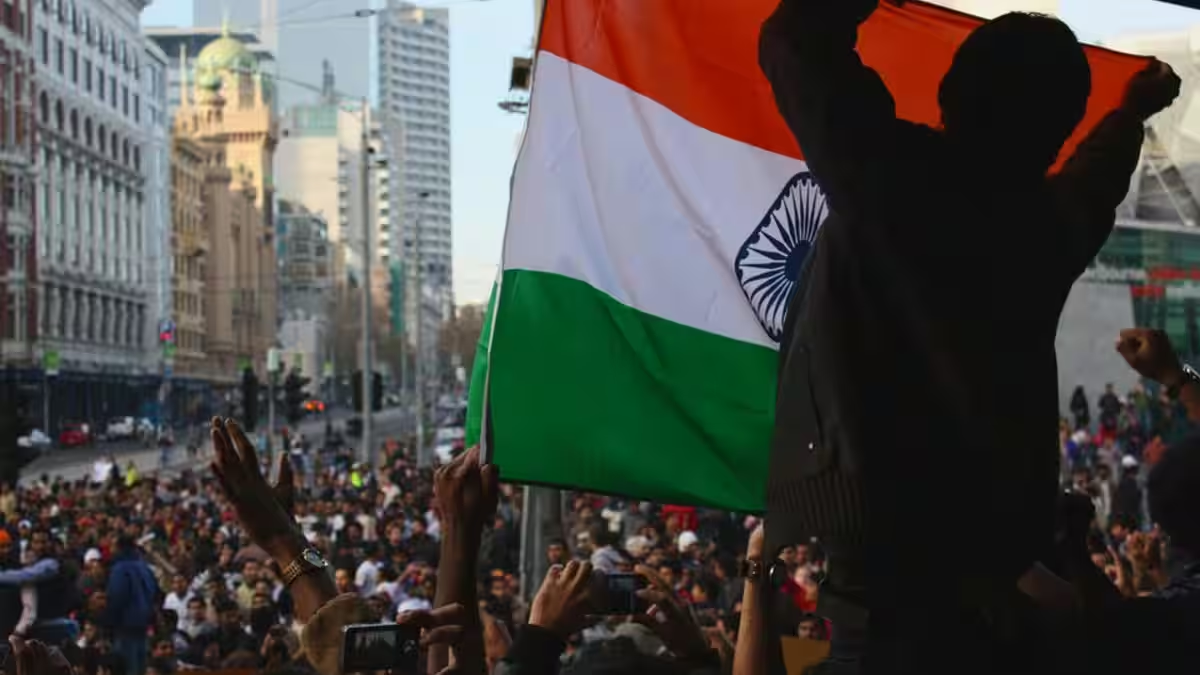
- A 'Tiranga Yatra' was held on August 12, coinciding with India's 80th Independence Day, where thousands marched carrying the national flag and chanting patriotic slogans to highlight their demands.
- Protest leaders have urged Rahul Gandhi to withdraw Congress support from the JMM-led coalition if the Chief Minister fails to address their concerns.
- The protesters have called for a Central Bureau of Investigation (CBI) probe or an inquiry by a panel of retired judges from outside Jharkhand to ensure impartiality.
- Some protestors, including individuals on hunger strikes and those with disabilities, have faced police restrictions, drawing further attention to the movement.
- The state government has responded by announcing reforms aimed at enhancing transparency, such as a fixed annual exam calendar, secured technology for exams, timely publication of answer keys and OMR sheets, and multi-level accountability.
Why the Protest Matters for Jharkhand’s Job Seekers
The ongoing agitation highlights deep concerns about the credibility of Jharkhand’s recruitment system, which affects thousands of young people aspiring to government jobs. The protesters argue that without thorough reforms and accountability, the trust of an entire generation is at risk. Chief Minister Hemant Soren acknowledged the gravity of the issue in his Independence Day address, promising impartial investigations and strict action against those found guilty.
Soren emphasized that justice must be based on facts, cautioning against premature judgments. He also stressed the need for systemic reforms to prevent future exam manipulation. The government’s commitment to creating employment opportunities extends beyond filling vacancies to broader job creation through various agencies.
Governor Santosh Kumar Gangwar also expressed concern, noting that question paper leaks undermine the morale of hardworking students and damage the integrity of the recruitment process.
Frequently Asked Questions
Q: What triggered the Jharkhand student protests?
A: The protests began after allegations of irregularities and question paper leaks in Jharkhand’s recruitment exams, leading students to demand cancellation of compromised tests and an independent investigation.
Q: What are the protesters demanding?
A: They want the cancellation of exams with alleged irregularities, a thorough and impartial probe (preferably by the CBI or retired judges from outside Jharkhand), and the resignation of Chief Minister Hemant Soren if their demands are not met.
Q: How has the government responded to the protests?
A: The government has promised reforms including a fixed annual exam calendar, technology-secured examinations, timely publication of answer keys and OMR sheets, and multi-level accountability. The Chief Minister has assured impartial investigations and legal action against those responsible for irregularities.