Jawaharlal Nehru University (JNU) faces criticism for allegedly violating reservation rules in its PhD admissions for the 2026-27 academic session. The Students' Federation of India (SFI) claims that the university has advertised fewer seats for Scheduled Tribe (ST), Scheduled Caste (SC), and Persons with Disabilities (PwD) candidates than mandated by law. This has raised concerns about fair access for marginalized groups in higher education.
- JNU advertised 38 seats for ST candidates, below the required 7.5% reservation.
- Only 103 seats were allocated for SC candidates, less than the 15% norm.
- PwD candidates were offered 17 seats, which is under the 5% reservation requirement.
- The National Commissions for Scheduled Castes (NCSC) and Scheduled Tribes (NCST) have requested reports from JNU regarding these complaints.
- JNU recently ended a 17-day hunger strike after agreeing to several student demands, including revoking rustications and withdrawing FIRs.
What are the specific reservation shortfalls in JNU's PhD admissions?
According to SFI, JNU's total intake for the PhD program is 711 seats. For Scheduled Tribe candidates, the university advertised only 38 seats, which is 5.34% of the total intake. This is below the constitutionally mandated 7.5%, resulting in a shortfall of 15 seats.
For Scheduled Caste candidates, 103 seats were advertised, representing 14.49% of the total intake, slightly less than the required 15%, causing a shortfall of four seats.
Persons with Disabilities were allocated 17 seats, which falls short of the 5% reservation requirement.
How have authorities responded to the reservation complaints?
The National Commission for Scheduled Castes (NCSC) has taken notice of a complaint filed by Gopika Babu, an SFI member and vice-president of the Jawaharlal Nehru University Students' Union (JNUSU). The NCSC issued a reminder to JNU on October 27, 2026, for failing to submit a report within the deadline and directed the university to respond within seven days.
Similarly, the National Commission for Scheduled Tribes (NCST) has registered the complaint following intervention by SFI JNU.
What recent student protests have taken place at JNU?
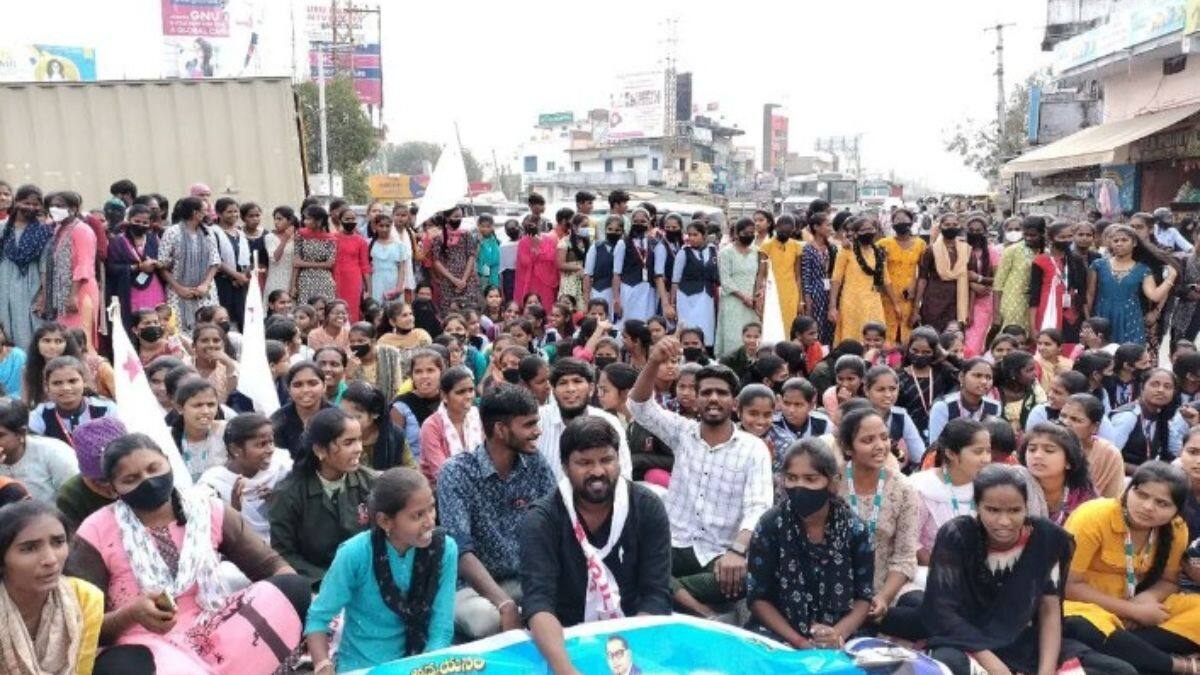
JNU students recently ended a 17-day hunger strike on October 20, 2026. The strike concluded after the university administration agreed to several demands, including revoking the rustication of five students and withdrawing FIRs against other protesters.
The students who were rusticated included Aditi Mishra, K Gopika Babu, Sunil Yadav, Danish Ali, and Nitish Kumar. The first four were current JNUSU office-bearers, and Nitish Kumar was a former JNUSU president.
The administration also agreed to withdraw proctorial inquiries related to protests against student rustication, University Grants Commission (UGC) regulations, and hostel infrastructure issues.
What further actions has JNU promised following the protests?
JNU agreed to form a committee with JNUSU representation to examine the JNU Entrance Examination (JNUEE). It will also review contentious clauses of the Chief Proctor's Office manual and provide an audit report on the Equal Opportunity Cell within a week. Additionally, a panel will be formed to examine hostel reservations.
What does SFI demand regarding reservation and admissions?
SFI has accused JNU of excluding marginalized students through fragmented seat distribution. The organization demands an immediate revision of the PhD admissions prospectus to comply with reservation norms. It also calls for the publication of a transparent reservation roster, release of category-wise admission data, and filling of backlog vacancies to ensure fair representation.