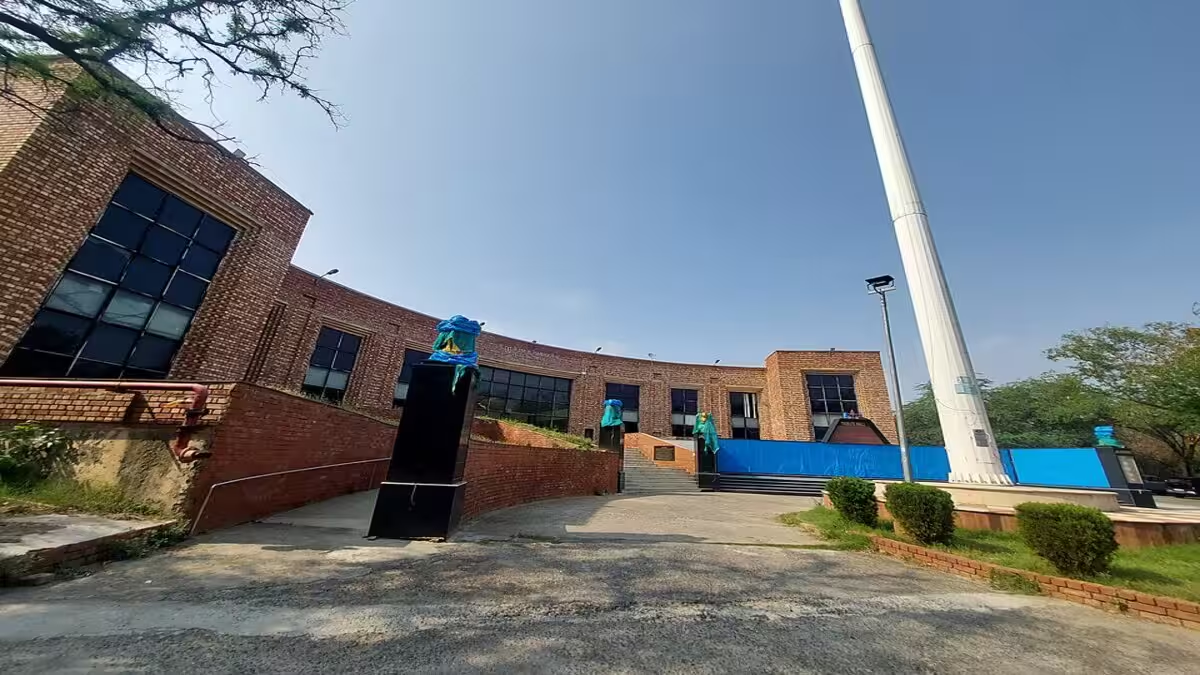
The Jawaharlal Nehru University Teachers’ Association (JNUTA) has strongly opposed the university's decision to confer the title of Professor Emeritus on Professor PR Kumaraswamy. The association alleges favoritism, a disregard for ethical standards, and abuse of executive power in this decision.
- Professor Emeritus status is a rare honor given to only fifteen distinguished faculty members at JNU.
- The title recognizes extraordinary academic achievement and unblemished institutional integrity.
- Prof Kumaraswamy ended his tenure amid serious allegations including corruption and violation of university regulations.
- JNUTA has submitted complaints to the Central Vigilance Commission and JNU Executive Council demanding an inquiry.
- The Vice-Chancellor’s decision to confer the title is seen as favoritism and undermines university ethics.
What is the significance of the Professor Emeritus title at JNU?
The Professor Emeritus title at JNU is a highly selective honor bestowed upon only a few faculty members who have demonstrated extraordinary academic distinction and made significant contributions to the university's development. It also requires an unblemished record of institutional integrity.
Why does JNUTA oppose the conferment of this title to Prof Kumaraswamy?
JNUTA opposes the decision because Prof Kumaraswamy ended his tenure under serious accusations, including corruption, high-handedness, persecution of colleagues, and violations of JNU ordinances and UGC regulations. They argue that awarding him this honor disregards ethical standards and damages the university's reputation.
What actions has JNUTA taken regarding these allegations?
The JNU Teachers’ Executive Council has submitted a standing complaint to the Central Vigilance Commission and the JNU Executive Council. They demand a thorough inquiry into allegations that may constitute offenses under the Prevention of Corruption Act, 1988.
How did the university administration handle the conferment process?
The decision was announced by the Vice-Chancellor during an emergency meeting of the JNU Executive Council on September 30, 2026. However, JNUTA notes that the necessary agenda papers and documentation required by academic rules were missing. This suggests a breakdown of administrative ethics and an abuse of executive power.
What are the broader concerns raised by JNUTA about university governance?
JNUTA highlights a pattern of favoritism and administrative patronage. They accuse the Vice-Chancellor and Prof Kumaraswamy of undermining faculty recruitment and promotion processes, weaponizing university procedures for victimization and harassment, and compromising institutional integrity.
Frequently Asked Questions
Q: What is the role of the Vice-Chancellor in awarding the Professor Emeritus title?
A: The Vice-Chancellor oversees the conferment process and announces decisions, but must follow academic rules and regulations to ensure transparency and fairness.
Q: Are there ongoing investigations into the allegations against Prof Kumaraswamy?
A: As of now, JNUTA has submitted complaints requesting investigations, but the Vice-Chancellor has not initiated any formal inquiry and instead awarded the Professor Emeritus title.
Q: How many faculty members have received the Professor Emeritus title at JNU?
A: Only fifteen eminent faculty members have been honored with this title at JNU, reflecting its exclusivity.