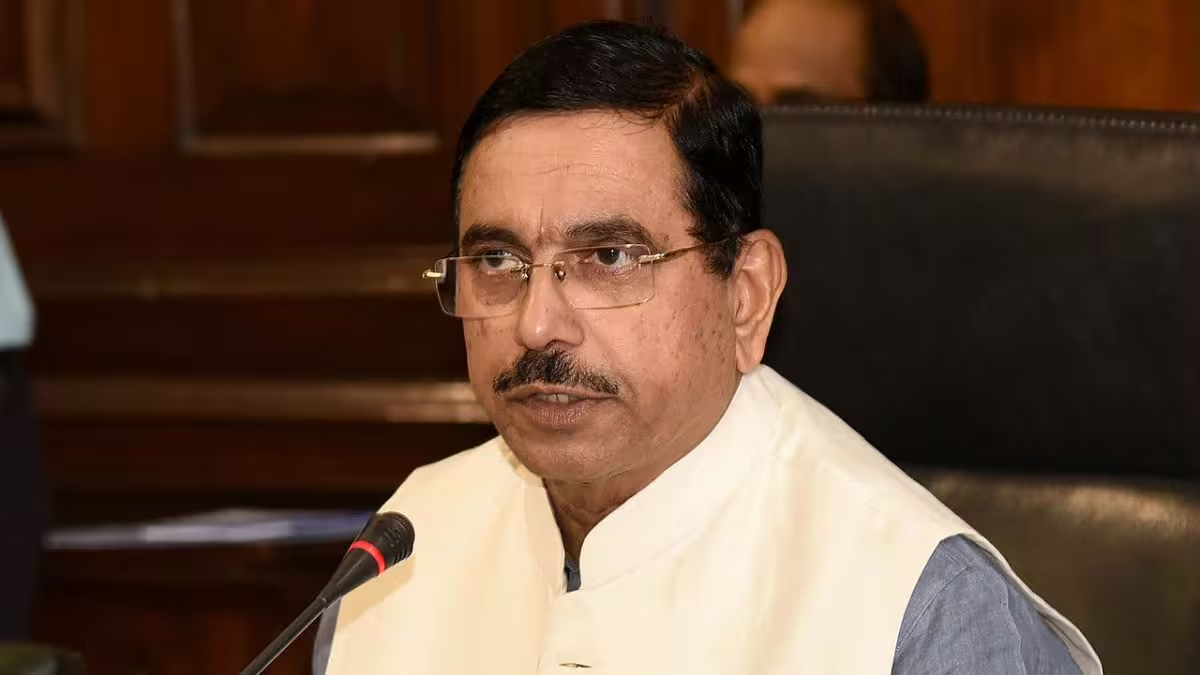
Union Education Minister Pralhad Joshi has called on students to dedicate at least 30 minutes each day to cleanliness-oriented activities. He emphasized the importance of students' roles in promoting cleanliness, environmental awareness, and responsible citizenship. This appeal was made during a cleanliness drive held at Delhi University's Gargi College, as part of the nationwide "Ek Din, Ek Ghanta, Ek Saath" initiative.
Why is cleanliness important according to Pralhad Joshi?
Joshi highlighted that cleanliness is closely linked to public health and overall well-being. He stressed that maintaining cleanliness is not only a personal responsibility but also a collective effort that can help sustain a healthy environment. By participating in cleanliness activities, students can contribute to making swachhata (cleanliness) a lasting habit in society.
What role do students play in promoting cleanliness?
The minister urged students to take an active role in promoting cleanliness within their educational institutions, homes, and public spaces. He believes that individual efforts, such as dedicating 30 minutes daily to cleanliness tasks, can inspire wider community participation. This collective action can transform cleanliness into a people's movement, fostering environmental consciousness and responsible citizenship among the youth.
What was the "Ek Din, Ek Ghanta, Ek Saath" initiative?
This initiative encourages people across the nation to dedicate one day, one hour, and one togetherness effort towards cleanliness activities. The drive at Gargi College was part of this larger campaign aimed at motivating citizens, especially students, to actively participate in maintaining clean surroundings.
How does Joshi connect cleanliness with physical fitness?
In addition to cleanliness, Joshi emphasized the importance of physical fitness and outdoor activities for young people. He encouraged students to engage in sports and spend time on playgrounds. He also advised maintaining a healthy balance between screen time and physical activity to promote overall well-being.
- Students should spend at least 30 minutes daily on cleanliness activities.
- Cleanliness is linked to public health and well-being.
- Individual efforts can inspire collective action for a cleaner environment.
- Participation in sports and outdoor activities is important for physical fitness.
- Balancing screen time with physical activity supports healthy lifestyles.
Frequently Asked Questions
Q: What specific activities can students do during their 30 minutes of cleanliness effort?
A: Students can engage in activities such as cleaning classrooms, campus areas, public spaces, and their homes. They can also participate in waste segregation and awareness campaigns promoting environmental hygiene.
Q: How does cleanliness contribute to public health?
A: Cleanliness helps prevent the spread of diseases by reducing germs and pollutants in the environment. It promotes a healthier living space, which is essential for overall well-being.
Q: What is the significance of the "Ek Din, Ek Ghanta, Ek Saath" initiative?
A: This initiative aims to unite people in dedicating time and effort towards cleanliness, fostering a sense of community responsibility and encouraging sustained participation in environmental upkeep.
By encouraging students to actively participate in cleanliness drives and physical activities, Union Education Minister Pralhad Joshi aims to build a healthier, more responsible generation committed to environmental care and personal well-being.