Jawaharlal Nehru University (JNU) Vice Chancellor Santishree D Pandit has detailed the university's response to the ongoing hunger strike by students, emphasizing the administration's efforts to engage in dialogue and provide medical care. The hunger strike, led by members of the Jawaharlal Nehru University Students’ Union (JNUSU), has been active since October 3, with students demanding the resolution of various grievances.
- JNU administration held two rounds of talks with protesting students.
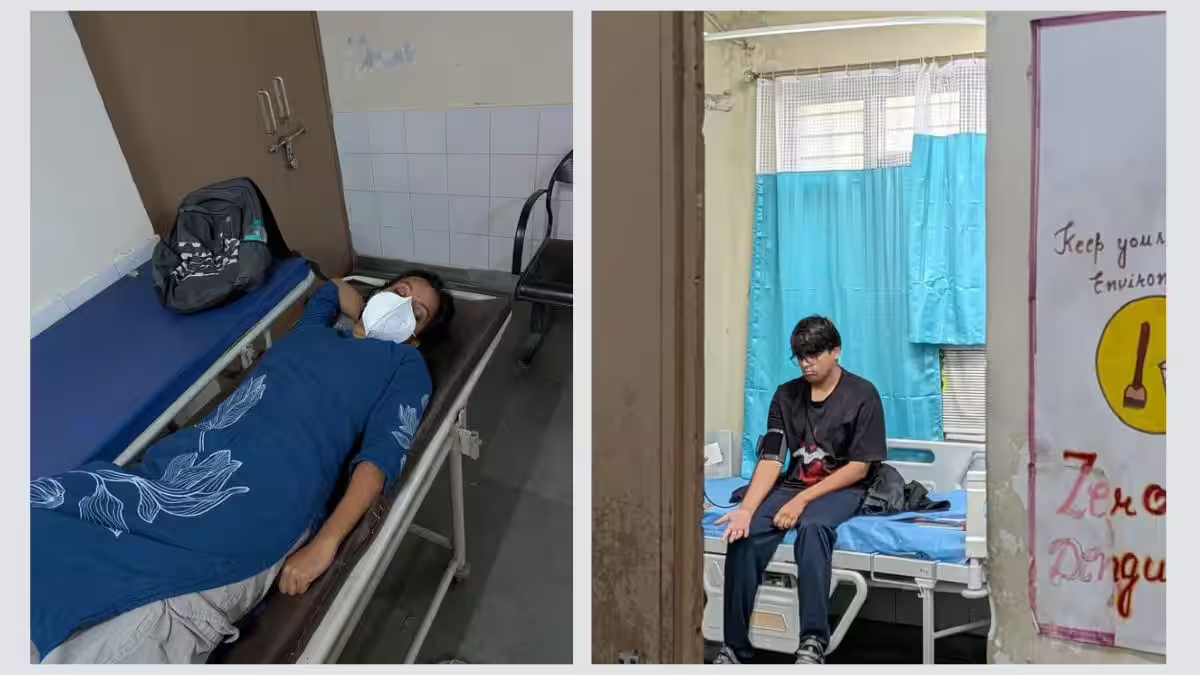
- Medical care is provided twice daily to students on hunger strike, including rusticated students.
- The hunger strike has lasted over two weeks, involving multiple JNUSU leaders.
- Rajya Sabha member John Brittas has sought presidential intervention regarding the strike.
- Students have presented 13 demands, including reinstating the JNU Entrance Examination and revoking rustications.
What discussions have taken place between JNU administration and protesting students?
The JNU administration organized two rounds of discussions with the students involved in the hunger strike. The first meeting occurred on October 9 and lasted more than four hours. During this meeting, a committee led by Vivek Kumar, dean of the School of Social Sciences, engaged with the students at the Vice Chancellor's office. Following this meeting, two groups of students ended their hunger strike after receiving assurances from the committee. However, the groups chose to meet separately rather than together.
The second meeting took place on October 14 and lasted several hours. During this session, students agreed to reconvene at a later date to continue discussions. These talks represent the administration's attempt to address student concerns through dialogue.
How is the university providing medical care to students on hunger strike?
The university has ensured that medical care is available twice daily to all students participating in the hunger strike, including those who have been rusticated. The competent authority visited the protest site on October 16 and observed that no students were sleeping there at that time. Medical check-ups have been conducted from the start of the strike according to medical protocols. Additionally, the Chief Medical Officer (CMO) meets with the students daily to monitor their vital signs and overall health condition.
What are the students' main demands during the protest?
The students have put forward thirteen demands. Key among these are the rollback of the chief proctorial officer (CPO) manual, revocation of the rustication of JNUSU office-bearers, reinstatement of the Gender Sensitisation Committee Against Sexual Harassment (GSCASH), and restoration of the Jawaharlal Nehru University Entrance Examination (JNUEE). These demands reflect the students' concerns about administrative policies and campus governance.
What has been the administration's stance on the protests and rusticated students?
The Vice Chancellor's statement highlighted that the administration has maintained a democratic and humanitarian approach throughout the protests. Despite the rusticated students' involvement in activities that violated bail conditions and caused damage to public property valued at approximately Rs. 20 lakhs, the administration has not taken extreme punitive actions. The statement emphasized that the university's resources come from the Government of India and Indian taxpayers, underscoring the importance of responsible conduct.
Has there been any external involvement regarding the hunger strike?
Rajya Sabha member John Brittas has written to the President of India, Droupadi Murmu, requesting her intervention in the indefinite hunger strike by JNUSU representatives. This indicates that the issue has attracted attention beyond the university, highlighting the seriousness of the ongoing protest.