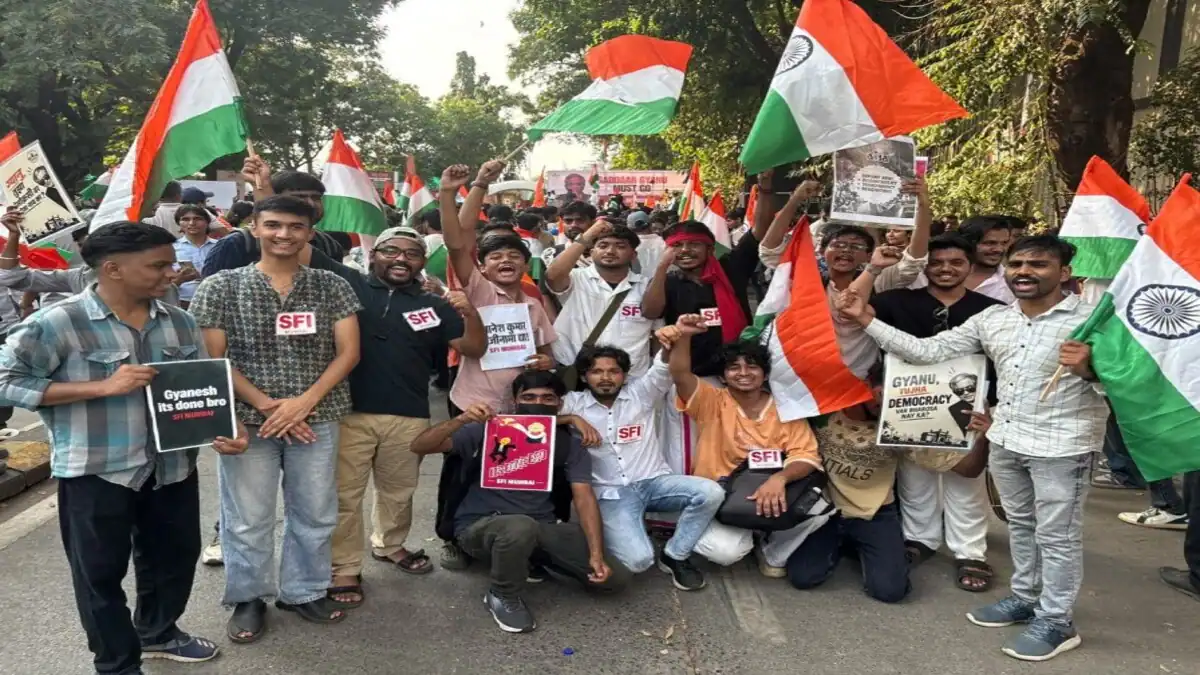
Jawaharlal Nehru University Vice Chancellor Santishree Dhulipudi Pandit has firmly denied allegations of irregularities in faculty recruitment and promotions at the university. These claims were made by the JNU Students' Union (JNUSU) and the JNU Teachers' Association (JNUTA), who have demanded an independent and time-bound investigation into the matter, as well as the removal of the VC.
In a statement, Pandit described the accusations as "vicious propaganda" without any evidence, emphasizing that the recruitment process during her four-and-a-half-year tenure has been transparent, especially regarding the inclusion of candidates from Scheduled Castes (SC), Scheduled Tribes (ST), and Other Backward Classes (OBC).
Understanding the Recruitment Process at JNU
Faculty recruitment at Jawaharlal Nehru University follows a structured procedure designed to ensure fairness and transparency. Selection committees are composed of three domain experts, a nominee appointed by the university's visitor, the concerned dean, and the vice chancellor. These committees conduct interviews and recommend candidates, whose names are then approved by the university's academic council.
Additionally, the Internal Quality Assurance Cell (IQAC) plays a role in verifying candidates' qualifications and publication records during the screening phase. However, IQAC does not participate in the final selection interviews. The university asserts that this multi-layered process aims to uphold academic standards and equity.
Key Facts About Recent Recruitment and Promotions
- Since February 2022, JNU has conducted over 400 interviews and filled more than 200 faculty positions.
- Approximately 70% of these appointments have been from reserved and marginalized groups, reflecting the university's commitment to diversity.
- The university reports no complaints from candidates regarding the interview process.
- Nearly 250 Career Advancement Scheme (CAS) promotions have been processed since February 2022, including some pending since 2006, marking the largest number of CAS promotions in JNU's history.
- The administration maintains that familial or supervisory relationships do not automatically disqualify candidates, nor do they violate University Grants Commission (UGC) norms if academic criteria are met.
Why the Allegations Have Sparked Controversy
The JNUSU and JNUTA have raised concerns about possible violations of UGC eligibility criteria in recent faculty appointments. They allege that some candidates who were initially rejected by subject experts were later reinstated into the selection process. An investigation by JNUTA, based on Right to Information (RTI) responses and official records, claims at least seven faculty members were appointed in breach of UGC norms.
The university counters these claims by explaining that the verification of publication records, especially in humanities and social sciences, can be complex due to the nature of databases and documentation. This complexity may lead to candidates being shortlisted or called for interviews after initial rejections during screening.
The dispute highlights tensions between university administration and its student and teacher bodies, reflecting broader debates about transparency, fairness, and governance in higher education institutions.
Frequently Asked Questions
Q: What are the main allegations against JNU's recruitment process?
A: The JNUSU and JNUTA allege irregularities including violations of UGC eligibility norms and improper appointments of faculty members who did not meet required criteria.
Q: How has the JNU administration responded to these allegations?
A: The administration, led by VC Santishree Dhulipudi Pandit, has denied all allegations, calling them baseless propaganda and asserting that recruitment and promotions have been conducted transparently and fairly.
Q: What steps does JNU follow to ensure fair faculty recruitment?
A: JNU uses selection committees with domain experts and university officials, verifies qualifications through the IQAC, and requires academic council approval for appointments, aiming to maintain transparency and adherence to regulations.