Labour Law Amendment Bill Introduced in India to Clarify Legal Repeal Effects
A new bill has been introduced to clarify how older labour laws are replaced by recent reforms. The bill aims to improve legal clarity and provide smooth transition after law repeals. Its progress and implications are still being watched by various groups.
3 min read359 views
On February 11, 2026, the Union Labour Minister Mansukh Mandaviya introduced a new bill called the Industrial Relations Code (Amendment) Bill, 2026, into the Lok Sabha, which is the lower house of India's Parliament. This bill is designed to address certain legal questions that arose after recent changes to the country's labour laws.
The main goal of the bill is to make clear how older labour laws are replaced or repealed by the Industrial Relations Code, 2020. This 2020 law combined and replaced three previous laws: the Trade Unions Act, 1926; the Industrial Employment (Standing Orders) Act, 1946; and the Industrial Disputes Act, 1947. Since these older laws are now replaced by the new code, questions about their legal effect needed to be clarified.
The bill includes specific provisions known as savings provisions, especially in Section 104, which ensure that the change from old laws to the new code does not cause legal confusion or disruption. These provisions are meant to secure continuity and legal certainty, so that workers, employers, and authorities know their rights and responsibilities remain clear after the transition.
The bill also aims to prevent future misunderstandings about the powers to repeal existing laws. It clarifies which authorities have the legal power to undertake these repeals, and how such powers should be exercised. This is important to ensure that the process of law reform is transparent and well-guided.
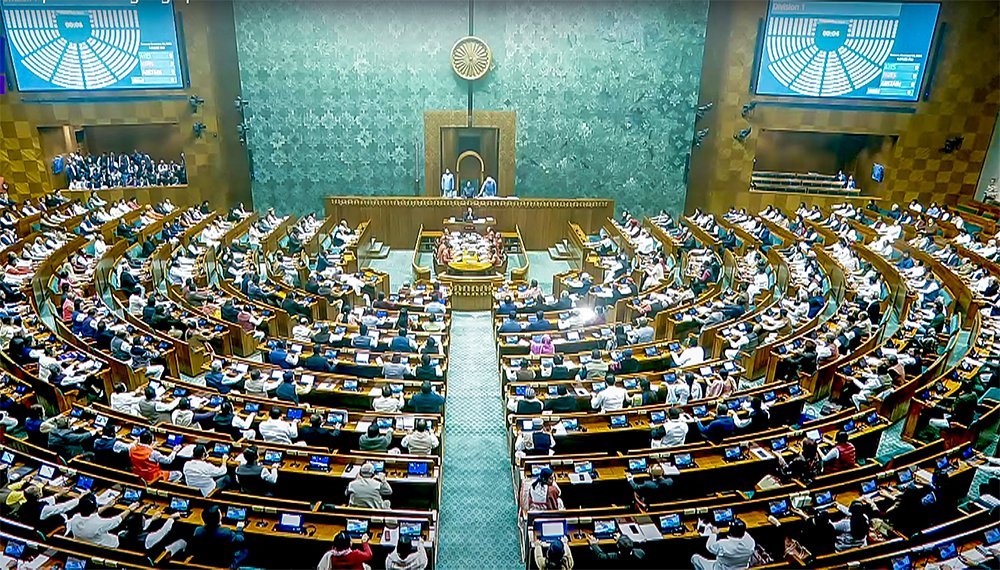
The Bill was passed by the Lok Sabha on February 12, 2026. However, as of February 13, 2026, there has been no official confirmation on whether the Bill has been passed by the Rajya Sabha, which is the upper house of Parliament. Moreover, there has been no confirmation regarding whether the President has given assent to the bill or when it might be implemented.
Officials and observers are also awaiting further details on how the amendment will affect existing labour laws, workers' rights, employer obligations, and industrial relations. As of now, no official statements have been made about the potential effects on workers' protections, dispute resolution, social security, safety standards, or the informal sector.
In addition, questions remain on how the amendment might impact the ease of doing business in India, enforcement of labour laws, and compliance procedures. There is also interest in understanding how the law will influence employment and job security across various sectors.
Overall, the introduction of this bill highlights ongoing changes to India's labour legal framework. While the primary goal is to provide legal clarity and assure a smooth transition from old to new laws, its full impact on industrial relations, workers, and the economy is yet to be seen and confirmed through official channels. The government emphasizes the importance of clear legal rules, but it remains to be seen how these changes will be received by workers, industry groups, and other stakeholders.