Major Investment in Bengali Railway Infrastructure Announced
The Indian government has announced a significant budget allocation for railway projects in West Bengal, aiming to improve safety and connectivity across the state.
4 min read283 views
The Indian government has made a big announcement about railway projects in West Bengal. The new budget for 2026-27 includes a large amount of money to improve and build new railway facilities. This funding is important because it will help make rail travel safer and faster for many people in the state.
The government has allocated 14,205 crore rupees for railway infrastructure and safety projects in West Bengal. This amount is more than three times the average annual money spent during 2009-2014, which was only 4,380 crore rupees a year. The increased funding shows that the government is now giving more attention to railways in West Bengal.
These funds will be used for several important railway projects. Work will be done to create new train tracks and improve existing ones. Many railway stations in the state will also be redeveloped to make them more modern and comfortable for travelers. Over 100 stations are set to be upgraded under a plan called the Amrit Station Scheme.
Safety is a big focus in these projects. New safety measures, such as the Kavach automatic train protection system, will be used to prevent accidents. Kavach has already been installed on 105 route kilometers in West Bengal. In addition, work or tenders are in progress for 1,041 route kilometers, out of a total of 3,200 route kilometers, to install more safety systems.
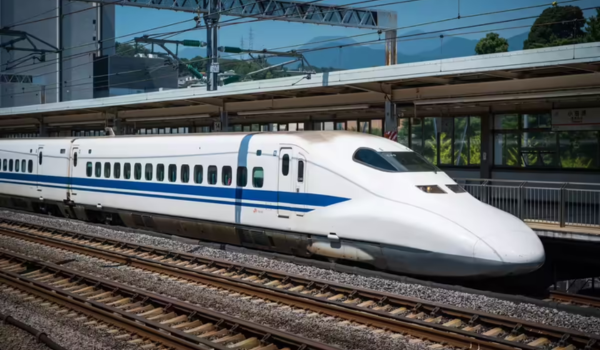
Another major project is the construction of a high-speed rail corridor connecting Varanasi and Siliguri, which will extend to Assam. This corridor is expected to improve travel time significantly and boost connectivity between different parts of the country.
The government also plans to build a dedicated freight corridor from Dankuni to Surat. This new 2,052 km-long railway line will help transport goods more efficiently and reduce congestion on existing networks. This will benefit not just West Bengal but also several other states along the route.
In addition to construction projects, the government is investing in the deployment of new technology. Artificial Intelligence-based systems will be used to detect animal movements near railway lines. This will help prevent elephants and other animals from being hit by trains, improving safety for wildlife.
Since 2014, West Bengal has seen significant progress in railway development. About 1,400 km of new rail tracks have been built since then, and the state has achieved 100% electrification of its rail network. This means all trains in the state run on electricity, helping reduce pollution.
Railway service improvements include the operation of nine pairs of Vande Bharat Express trains and 11 pairs of Amrit Bharat Express trains within West Bengal. These are premium train services designed to provide faster travel options for passengers.
To further improve passenger safety, the Kavach automatic train protection system has been installed on over 105 route kilometers. Work or tenders are ongoing for an additional 1,041 route kilometers in West Bengal, part of a total sanctioned length of 3,200 km.
The Sealdah Division, one of the main railway areas in the state, added 44 Electric Multiple Unit (EMU) train services last year. Overall, 115 new trains have been introduced across West Bengal to provide more options for travelers.
The Indian government has heavily invested in the state's railway system, with a total expenditure of 68,000 crore rupees in West Bengal's railways. This investment aims to improve both freight and passenger services and boost economic growth in the region.
The new budget and projects reflect a commitment to modernizing railways in West Bengal. These initiatives will help create a safer, faster, and more efficient railway network, benefiting commuters and the economy alike. The projects are set to make travel easier and more reliable for many people in the coming years.