Mayawati urges immediate ban on ‘Ghooskhor Pandat’, supports FIR over alleged insult to Brahmin community
A new film titled 'Ghooskhor Pandat' has sparked controversy due to alleged casteist stereotypes, leading to legal actions and public protests. Authorities and community leaders continue to debate the film's release and content.
3 min read284 views
A recent controversy has emerged over a film called 'Ghooskhor Pandat', which has led to legal action and protests. The dispute involves accusations that the film contains content that insults and stereotypes a particular community. This ongoing issue highlights concerns about social harmony, freedom of expression, and respect among different communities.
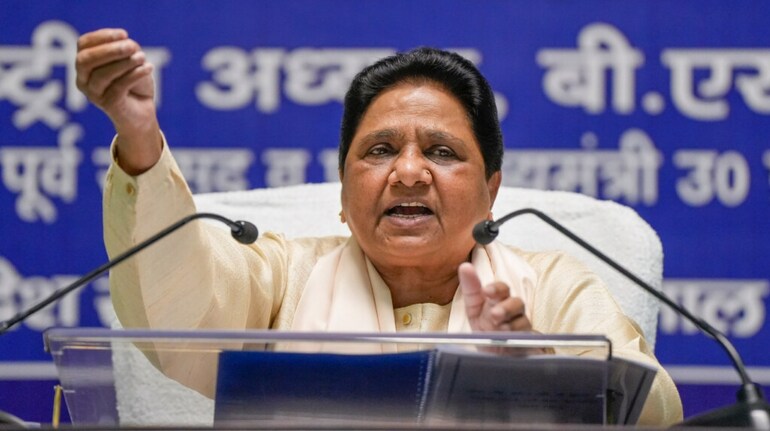
The controversy began when Mayawati, the leader of the Bahujan Samaj Party, publicly condemned the film. On February 6, 2026, she criticized the film for allegedly insulting the Brahmin community. She demanded that the government ban the film immediately, describing it as 'casteist'. Her statement sparked a strong reaction from community members and political groups.
Following Mayawati's condemnation, local authorities acted quickly. The Hazratganj police station in Lucknow registered an FIR or First Information Report against the film’s director and team. They faced charges related to insulting a particular caste and promoting enmity between groups. These legal steps were taken to address concerns about the film's content and its potential to disturb social peace.
The FIR was filed under several laws, including Sections 196, 299, 352, and 353 of the Bharatiya Nyaya Sanhita. These sections cover promoting enmity, outraging religious feelings, insulting with the intent to provoke violence, and public mischief. Additionally, Section 66 of the Information Technology (Amendment) Act was invoked, implying the use of technology in the alleged offense.
The film's title, 'Ghooskhor Pandat', has also raised concerns. The word 'Ghooskhor' suggests a bribe-taker, while 'Pandat' is a colloquial term for a Pandit or priest. Critics argue that this combination perpetuates stereotypes and defames the Brahmin community. Such interpretations have fueled accusations that the film promotes casteist stereotyping.
In response, the filmmaker Neeraj Pandey issued a statement. He said that the film is a fictional cop drama. He explained that 'Pandat' is used as a colloquial name for a fictional character and not meant to target any community specifically. His clarification aims to distinguish the film's fictional nature from any intention of insult.
Legal actions have extended beyond protests and police FIRs. A writ petition has been filed in the Delhi High Court requesting a stay on the film’s release. The petitioners argue that the film’s title and portrayal could harm social harmony and violate laws against hate speech. This legal move reflects concerns that the film might have a negative impact if released in its current form.
The controversy has also sparked strong public reactions. Many within the Brahmin community express anger and resentment. There have been calls for a complete ban on the film and for legal punishment of those responsible for its creation. The debate underscores the sensitivities around representations of communities in entertainment media.
Political leaders and organizations have also spoken out. An executive member of the RSS condemned the film’s title as 'unethical and unconstitutional'. Meanwhile, Congress MP Imran Masood stressed the importance of respecting people’s feelings, especially if they are hurt by such content. These reactions show the broad political concern about respecting cultural sensitivities.
As of February 6, 2026, the film 'Ghooskhor Pandat' has not been released to the public. Its future remains uncertain, depending on ongoing legal proceedings and public opinion. Authorities continue to review the case, and discussions about the film's content and its implications are ongoing.
This situation highlights the ongoing debate about freedom of expression versus respect for community sentiments. It also raises questions about how films and entertainment media should handle sensitive topics to avoid offending groups or inciting conflict. The ultimate outcome of this case may influence future policies related to content regulation and social harmony.