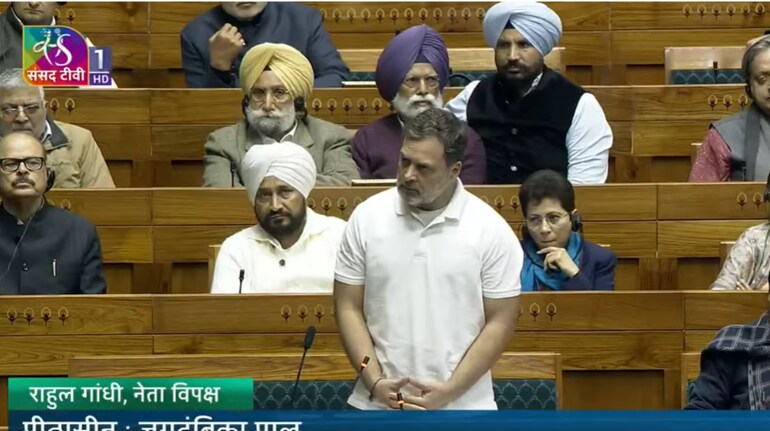
'Not allowed to be published, why are they scared?': Rahul Gandhi on Naravane's 'memoir' row following uproar in Lok Sabha
A recent incident in the Indian Parliament involved a member quoting content from an unpublished memoir, leading to protests and procedural discussions about the rules of quoting unverified material.
3 min read246 views
On February 2, 2026, during a session of the Indian Lok Sabha, a controversy arose when a Member of Parliament attempted to quote excerpts from an unpublished memoir. The incident happened during a debate on the Motion of Thanks to the President's Address. The MP involved was Rahul Gandhi, who referenced the memoir of General M.M. Naravane, a retired army chief.
The key highlights of this event include several important points. First, Rahul Gandhi aimed to quote from the memoir titled 'Four Stars of Destiny.' However, this book has not yet been officially published. The memoir was expected to be released in April 2024 but has faced delays. These delays are due to pending clearance and approval from the Ministry of Defence.
Defense Minister Rajnath Singh and Home Minister Amit Shah objected to the quoting, stating that the book had not been published at the time of the debate. Because of this, they argued that it could not be used as a reference in the house. The Speaker of the Lok Sabha, Om Birla, supported this view. He reminded everyone about parliamentary rules that bar quoting from unpublished material during proceedings.
The incident led to multiple adjournments of the session as members discussed and debated the issue. As of February 2026, the memoir remains unpublished, and it is still awaiting clearance from the Ministry of Defence. The book was initially expected to be available in April 2024, but bureaucratic procedures and clearance delays have postponed its release.
Following the controversy, General Naravane clarified that his responsibility ended once he handed over the manuscript to the publisher. He stated that it is the publisher's task to obtain the necessary government clearances. This means that the authors or the military do not control the publication process once the manuscript is handed to the publisher.
The debate has raised important questions about transparency and national security. It also highlights concerns about allowing open discussion in Parliament. Critics say that quoting from unpublished work might risk revealing sensitive information or undermine rules that protect official information.
There are specific numbers and dates relevant to this situation. The memoir was expected to be published by April 2024, but approval delays have prevented its release. As of now, the book is still unpublished and awaiting clearance. The incident itself happened on February 2, 2026, within that parliamentary session.
The official position from the government is clear. They state that quoting from an unpublished work is not permissible during parliamentary proceedings. The authorities emphasize that only published and officially released materials should be cited to maintain decorum, security, and transparency in debates.
This event underscores the importance of following established parliamentary rules regarding the use of information. The incident also points to the importance of the process involved before a book can be used as a reference, especially in sensitive areas concerning national security or military affairs. It highlights ongoing concerns about the transparency of the document clearance process and the rules governing discussion about unpublished materials.
In summary, this controversy in the Indian Parliament revolves around the quoting of an unpublished memoir during a debate. While the speaker and officials upheld rules that restrict quoting unpublished work, the incident has sparked discussions about transparency, security, and proper procedures in parliamentary debates. It also brings attention to the delays in the publication process of important military-related books and the responsibilities of authors and publishers in seeking official clearances.