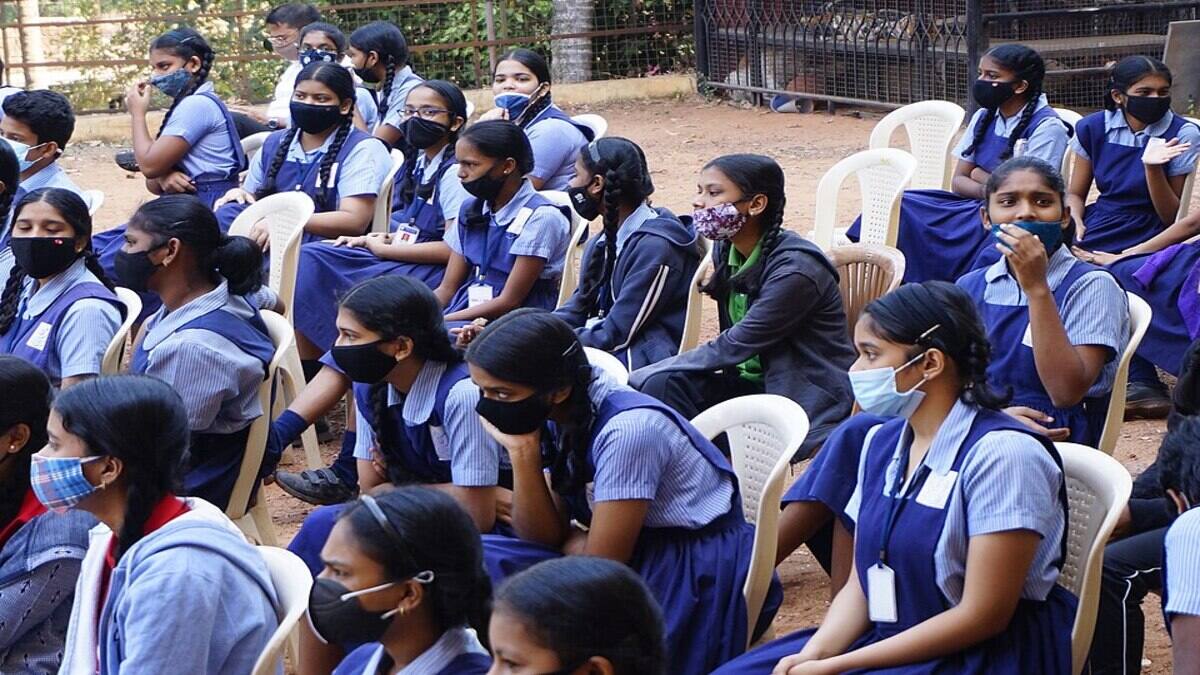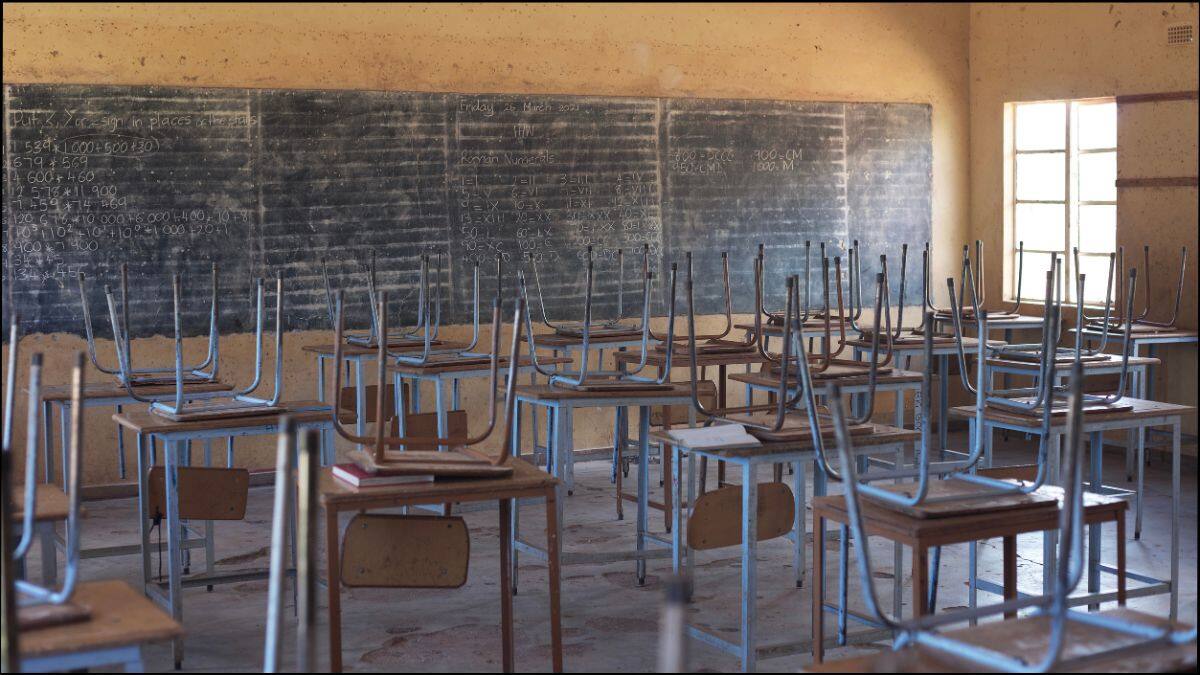
Schools across Bhadrak district in Odisha remained closed on August 19 as persistent heavy rains and flooding disrupted normal life. The district administration ordered a holiday for 297 schools spread over six blocks, including Bhadrak, Basudevpur, Tihidi, Dhamnagar, Bhandaripokhari, and Chandbali, to ensure student safety amid worsening flood conditions.
The closure is expected to continue at least through August 20, with decisions on reopening dependent on weather and ground conditions. Parents and students have been urged to stay updated through official announcements and to avoid flood-affected areas and ongoing restoration sites.
Flood and Weather Situation in Odisha
The heavy rainfall in Odisha is linked to a depression that formed over the northwest Bay of Bengal and has since moved inland over Jharkhand and parts of West Bengal. Despite this shift, the India Meteorological Department (IMD) has forecast continued very heavy rainfall in parts of Odisha, especially on August 20.
Rising river levels in northern Odisha districts have intensified flooding, prompting the state government to ramp up rescue and relief operations. Chief Minister Mohan Charan Majhi convened a high-level meeting to assess the situation and coordinate responses. So far, approximately 330,000 people have been evacuated from vulnerable areas to safer locations.
Key Facts About the School Closures and Flood Response
- 297 schools across six blocks in Bhadrak district are closed as a precautionary measure.
- The blocks affected include Bhadrak, Basudevpur, Tihidi, Dhamnagar, Bhandaripokhari, and Chandbali.
- School closures may continue beyond August 19, depending on weather and safety assessments.
- The IMD has issued a yellow warning for heavy rainfall in several districts including Sambalpur, Deogarh, Keonjhar, Subarnapur, and Bolangir.
- Thunderstorms, lightning, and strong winds up to 30-40 kmph are expected in districts such as Sundergarh, Jharsuguda, and Baragarh.
- Relief efforts involve 45 teams from the Odisha Disaster Rapid Action Force (ODRAF), 8 teams from the National Disaster Response Force (NDRF), and 53 fire service units.
- Over 3.3 lakh people have been evacuated to safer areas to minimize risk from floods.
Why School Closures Are Critical in Flood Conditions
Closing schools during severe weather events like floods is a vital safety measure. Floodwaters can create hazardous conditions, including submerged roads, damaged infrastructure, and disrupted transportation, making travel unsafe for children and staff. Schools also serve as community hubs, and keeping them closed allows authorities to focus on emergency response and relief distribution without added complications.
Moreover, the ongoing heavy rains and rising river levels mean the flood situation could worsen, so maintaining closures until conditions stabilize helps prevent accidents and ensures that students remain out of harm’s way. The government’s evacuation of hundreds of thousands of residents highlights the seriousness of the situation and the need for continued vigilance.
Parents and guardians are advised to monitor official updates closely and follow guidance from local authorities. Avoiding flood-affected zones and restoration sites is crucial to prevent injuries and allow rescue teams to operate efficiently.
Frequently Asked Questions
Q: Which areas in Bhadrak district have schools closed?
A: Schools are closed in six blocks: Bhadrak, Basudevpur, Tihidi, Dhamnagar, Bhandaripokhari, and Chandbali.
Q: How long will the schools remain closed?
A: Schools are closed at least on August 19 and likely August 20. Reopening depends on weather and safety assessments by district officials.
Q: What relief measures are in place for flood-affected people?
A: The Odisha government has evacuated around 3.3 lakh people and deployed multiple disaster response teams, including ODRAF, NDRF, and fire service units, to assist with rescue and relief operations.