Parliament Begins Discussion on Union Budget 2026-27
The Indian Parliament has started discussing the Union Budget for the fiscal year 2026–27, which was presented in February. The discussions are ongoing, and no final decisions have been made yet. The budget includes plans for infrastructure development and changes in tax policies. This article provides an update on the current status, key highlights, and why it matters.
3 min read300 views
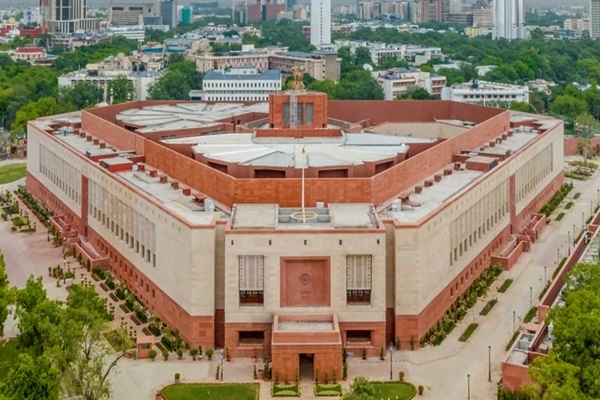
The Indian Parliament has begun examining the Union Budget for the fiscal year 2026–27. The Budget was officially presented in the Lok Sabha, the lower house of Parliament, on February 1, 2026. Since then, both Houses of Parliament, the Lok Sabha and the Rajya Sabha, have been involved in discussions. The process of reviewing the budget started with a session that began on January 28, 2026, and is scheduled to end on April 2, 2026.
The current discussions are an important part of India’s legislative process. The budget sets out the government’s plans for spending and revenue in the upcoming year. It includes projects aimed at improving transportation infrastructure and changing tax rules to manage the economy.
Since the budget was announced, Parliament members have debated its details and implications. As of February 12, 2026, these debates continue, especially in the Rajya Sabha, the upper house of Parliament. However, no official confirmation has been made about whether the budget will be officially approved or passed by Parliament at this stage.
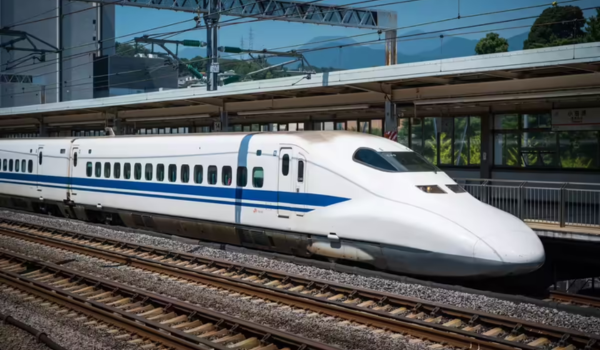
The Budget 2026–27 features several major proposals. Among these are plans to develop seven high-speed rail corridors. These corridors are intended to speed up train travel across different regions of the country and improve transportation options.
Additionally, the government has proposed establishing new dedicated freight corridors. These corridors are meant to improve the movement of goods within the country, making freight transportation faster and more efficient, which can support economic growth.
Another key proposal is the operationalization of 20 national waterways over the next five years. These waterways are large navigable rivers or channels that can be used for transportation, and their development is aimed at reducing logistics costs and increasing trade efficiency.
The Budget also includes a change in tax rules, specifically an increase in the Securities Transaction Tax (STT) on futures and options. This increase is intended to discourage excessive speculative trading in the financial markets. However, as of now, there has been no official confirmation that this change has been implemented.
The discussions on the budget are considered an essential part of the legislative process. They allow Parliament members to scrutinize the proposed policies and spending plans. These debates can influence the final approval and implementation of the budget provisions.
It is important to note that, as of February 12, 2026, no official confirmation has been given regarding the passage of the budget. Similarly, no formal decisions have been made about the implementation of the planned infrastructure projects or changes in tax policies. The government and Parliament are currently in the review phase, and further developments are awaited.
This budget and the ongoing discussions are significant because they shape the country’s economic and infrastructure development. The initiatives outlined in the budget can impact transportation, trade, and financial regulation in the coming years. Staying updated on these debates is crucial for understanding the government’s priorities and economic policies.
In summary, the Indian Parliament has begun its review of the Union Budget 2026–27. Discussions are ongoing, and numerous proposals have been introduced, including projects for high-speed rail, freight corridors, and national waterways. However, no final decisions have yet been confirmed, and the process of approval continues. The outcome of these debates will determine how the government’s plans are implemented and their impact on the country's economy and infrastructure.