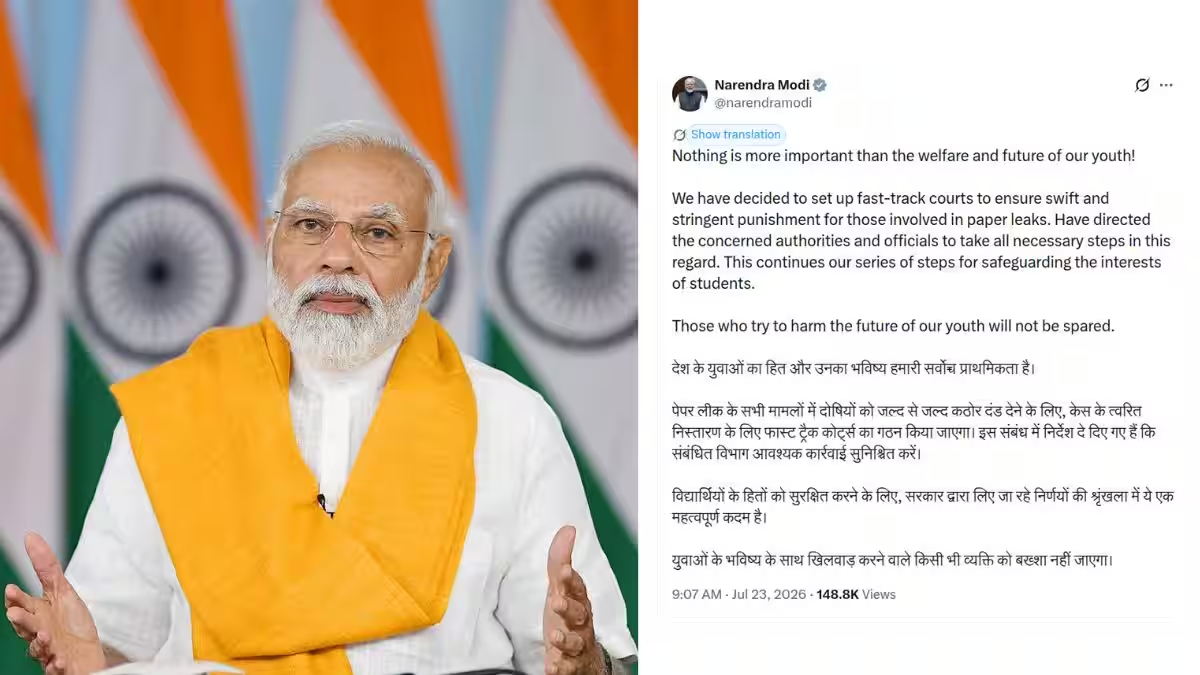
Prime Minister Narendra Modi has announced the establishment of fast-track courts to expedite the handling of cases related to the National Eligibility cum Entrance Test (NEET) paper leaks. This move aims to ensure swift justice and impose stringent penalties on those found guilty, safeguarding the interests of students across the country.
In a statement posted on the social media platform X, Modi emphasized the importance of protecting the future of the nation's youth. He stated that authorities have been instructed to take all necessary steps to set up these courts, reflecting the government’s commitment to addressing the issue decisively.
Understanding the NEET Paper Leak Issue
The National Eligibility cum Entrance Test (NEET) is a highly competitive exam in India that determines admission to undergraduate medical courses. Given its significance, any breach in exam security, such as paper leaks, severely undermines the fairness and integrity of the process. Paper leaks involve unauthorized access and distribution of exam questions before the test, giving unfair advantage to some candidates and disadvantaging others.
Such incidents have sparked widespread protests and concerns among students, parents, and educators. The leaks not only disrupt the examination process but also cast doubt on the credibility of the entire system. Ensuring a secure and transparent exam environment is crucial for maintaining public trust.
Key Facts About the Fast-Track Court Initiative
- Prime Minister Modi has ordered the creation of fast-track courts specifically for NEET paper leak cases.
- The goal is to ensure speedy disposal of these cases to deliver quick justice.
- Strict and stringent punishments will be imposed on individuals found guilty of involvement in paper leaks.
- Authorities and officials have been directed to take all necessary steps to implement this decision promptly.
- The initiative is part of a broader effort to protect student interests and uphold the integrity of competitive exams.
Why This Move Matters for Students and the Education System
By establishing fast-track courts, the government aims to send a clear message that cheating and malpractice in exams will not be tolerated. This approach is designed to deter future attempts to compromise exam security and reassure students that their hard work will be fairly evaluated.
Swift legal action against offenders can help restore confidence in the examination process, which is vital for students planning their academic and professional futures. It also reflects the government’s recognition of the critical role education plays in shaping the country’s youth and their opportunities.
Moreover, this decision may encourage other states and exam authorities to adopt similar measures to combat exam-related fraud, contributing to a more secure and trustworthy education system nationwide.
Frequently Asked Questions
Q: What is the purpose of fast-track courts for NEET paper leak cases?
A: The fast-track courts are intended to handle NEET paper leak cases quickly and efficiently, ensuring timely justice and strict punishment for those involved.
Q: How will this decision affect students appearing for NEET?
A: It aims to protect students by maintaining the exam’s integrity, ensuring a fair competition without the risk of leaked papers affecting results.
Q: Who is responsible for setting up these fast-track courts?
A: The government has directed concerned authorities and officials to take all necessary steps to establish these courts promptly.