The case of Sunali Khatun, a pregnant woman from West Bengal who was deported to Bangladesh and detained there since June 2025, has taken a significant turn after her parents' names were discovered in the 2002 electoral rolls of West Bengal. This development strengthens her claim to Indian citizenship and raises serious questions about the deportation process that landed her and five others in a Bangladeshi jail.
Parents' Names Found in 2002 Voter List
According to the recently released Election Commission records from the Special Intensive Revision (SIR) of electoral rolls, both of Sunali's parents—Bhodu Sheikh and Jyotsna Bibi—appear in the 2002 voter list from the Murarai Assembly constituency in Birbhum district. Their assigned polling station was Paikar Prathamik Vidyalaya, room number 3. The list also mentions Bhodu Sheikh's father, Hatim Tai Sheikh, further establishing the family's long-standing presence in the region.
Under India's Citizenship Act, for a person to be considered an Indian citizen by birth, at least one parent must have been an Indian citizen at the time of the person's birth. With both her parents documented as legitimate voters in 2002, Sunali's lawyer, Raghunath Chakraborty, argues that this significantly strengthens her case and confirms that her unborn child will receive Indian citizenship by "descent" even if born in Bangladesh.
Family's Ordeal and Legal Battle
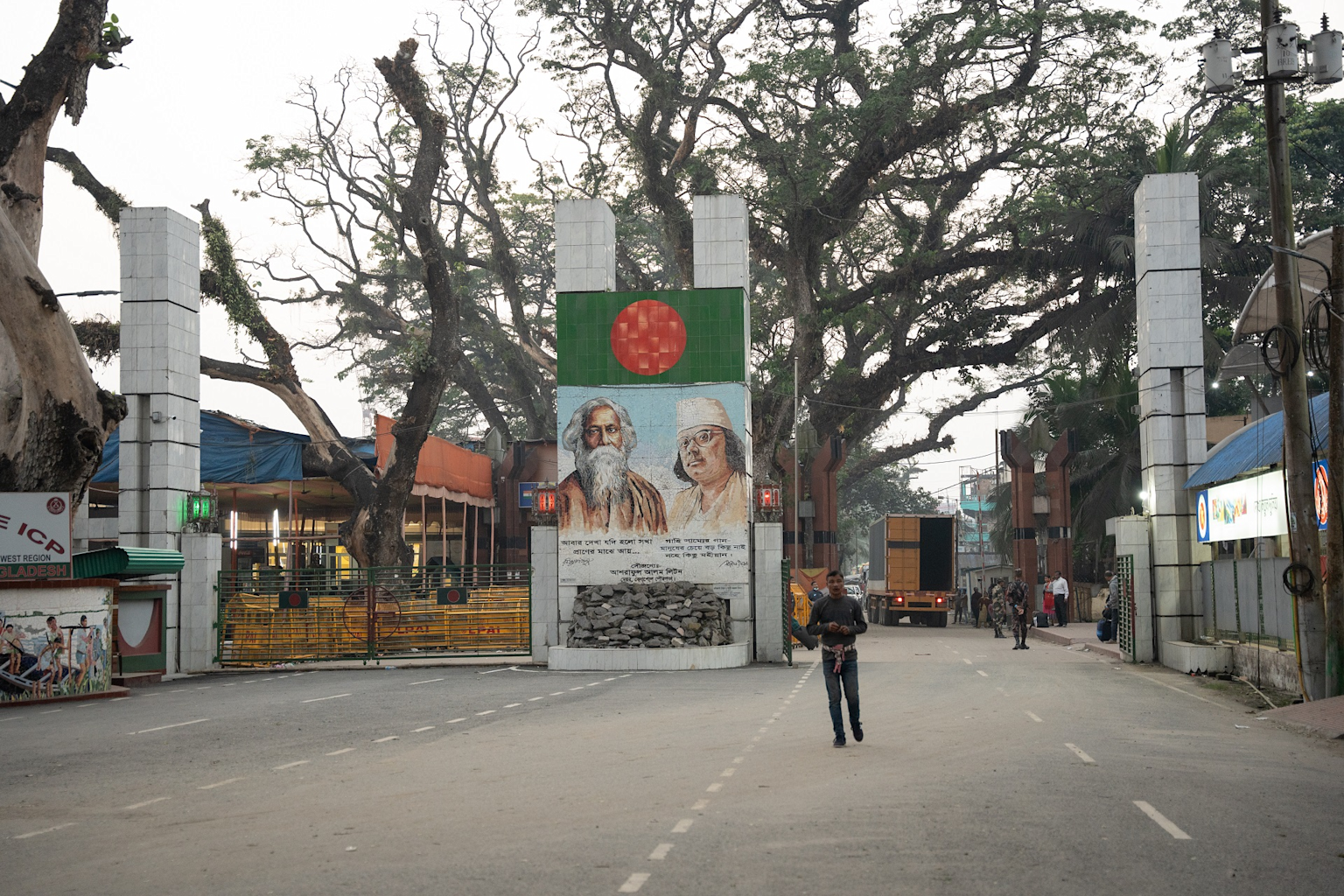
Sunali Khatun, 26, her husband Danish Sheikh, and their eight-year-old son Sabir were detained by Delhi Police on June 21, 2025, during a drive targeting alleged illegal Bangladeshi immigrants. Despite possessing Aadhaar cards and other identity documents, the family was branded as illegal immigrants and deported to Bangladesh on June 26, where they were subsequently arrested for unlawful entry.
The family had been working as ragpickers and migrant laborers in Delhi for approximately 20 years before their detention. Along with them, another family—Sweety Bibi, 32, and her two sons aged six and 16—were also detained and deported under similar circumstances.
Sunali's father, Bhodu Sheikh, expressed his anguish from their village in Birbhum: "Now our names are on the list. What more do I need to have my pregnant daughter and her family back home?" Her mother, Jyotsna Bibi, voiced deep concerns about Sunali's condition in the Bangladeshi jail, particularly given her pregnancy.
Court Orders and Government Inaction
On September 26, 2025, the Calcutta High Court directed the Central government to bring back Sunali and the five others within four weeks. The division bench of Justices Tapabrata Chakraborty and Ritabrata Kumar Mitra criticized the deportation as being done in "hot haste" and quashed the deportation order issued by the Foreigners Regional Registration Office (FRRO).
The court highlighted glaring inconsistencies in the Delhi Police's interrogation report, which claimed Sunali had illegally entered India in 1998. However, her Aadhaar and PAN cards show she was born in 2000, making it impossible for her to have entered the country two years before her birth.
Adding to the legal pressure, a Bangladesh court on October 3, 2025, declared all six individuals as Indian citizens based on their Aadhaar cards and residential addresses in West Bengal. The court ordered their "pushback" to India and directed that the matter be forwarded to the Indian High Commission in Dhaka.
Despite these orders, the deadline set by the Calcutta High Court expired on October 24, 2025, without the families being repatriated. The Central government has challenged the Calcutta High Court's order in the Supreme Court, which is scheduled to hear the case on November 7. Meanwhile, Sunali's family has filed a contempt petition against the Centre for failing to comply with the court's directive.
Political Controversy
The Trinamool Congress (TMC) has strongly criticized the Central government's handling of the case, describing the SIR exercise as "an assault on the very idea of Bengal and its people". In a statement, the party said: "The deportation of Sunali Khatun, a pregnant woman from Birbhum, exposes not merely bureaucratic cruelty but a calculated political maneuvering".
TMC MP Samirul Islam, who chairs the West Bengal Migrant Labour Welfare Board, called the discovery of Sunali's parents' names in the 2002 voter list "another slap on the Centre". He added: "It detained Sunali and others in Delhi and then drove them out of the country, labeling them as illegal Bangladeshis. This is just because they are poor Bengali-speaking migrants".
The party accused the BJP-led Central government of showing "no urgency, no humanity, and no basic decency" in bringing the families home despite clear court orders.
Concerns About the Unborn Child
A key concern throughout this ordeal has been the citizenship status of Sunali's unborn child. When the case first came to light in August 2025, Sunali was eight months pregnant. Her family feared that if she gave birth in Bangladesh, the child might be considered a Bangladeshi citizen.
However, her lawyer has now clarified that with both parents documented in the 2002 electoral rolls as Indian citizens, Sunali's child will automatically receive Indian citizenship by descent regardless of where the birth takes place.
Reports from Bangladesh indicate that Sunali has been struggling in detention. She reportedly fell and injured herself in jail but was denied an ultrasound due to lack of adequate facilities at the prison hospital. Social worker Mofijul Sheikh, who has been coordinating with the family from Bangladesh, described Sunali as "depressed and physically weak".
The Road Ahead
The case has exposed serious flaws in India's process for identifying and deporting alleged illegal immigrants. The Calcutta High Court's observation about the "overenthusiasm" and "haste" in the deportation process raises questions about due process and the rights of migrant workers.
As Sunali and her family remain in a Bangladeshi jail, their fate now depends on diplomatic coordination between India and Bangladesh, and the outcome of the Supreme Court hearing scheduled for November 7. The discovery of her parents' names in the 2002 voter list adds substantial weight to their claim of Indian citizenship and increases pressure on authorities to resolve the case urgently.
For now, the families continue to wait, caught between two countries and two legal systems, while a pregnant woman's future and that of her unborn child hang in the balance.