Shankh Air is an emerging name in the Indian aviation sector, poised to make its mark with a strategic focus on affordable and accessible air travel. The airline is spearheaded by its Chairman and Managing Director, Shravan Kumar Vishwakarma, who brings a vision of expanding regional connectivity and providing passengers with cost-effective options. His leadership underscores the airline’s emphasis on growth, operational efficiency, and customer-centric service.
The growth of Shankh Air is underpinned by official regulatory approval in the form of a No Objection Certificate (NOC) granted by the Ministry of Civil Aviation. This certificate signifies that the airline has satisfied necessary safety, financial, and operational standards set by the government, allowing it to legally commence commercial flights within India. Receiving the NOC is a significant milestone in any airline’s journey, indicating the company’s readiness to enter the highly regulated aviation market. It also reflects confidence in the airline’s plans, although it still must navigate subsequent phases of compliance, procurement, and operational preparations.
Looking ahead, Shankh Air aims tolaunch services around March 2026. The initial focus will be on domestic routes, primarily connecting Uttar Pradesh—its home state—with key metropolitan hubs including Delhi, Mumbai, and Bengaluru. This regional and metropolitan connectivity is likely intended to tap into the growing demand for affordable travel options among middle-class passengers, who often seek more economical alternatives to existing airlines. By establishing a strong foothold domestically, Shankh Air seeks to foster better regional integration and provide more options to travelers within India.
The airline plans to begin with a modest fleet of five aircraft, expected to be delivered by mid-February 2026. In the aviation industry, fleet planning is crucial, as the aircraft selection impacts operational costs, route flexibility, and customer experience. Starting with a smaller fleet allows for closer operational oversight and gradual expansion. The company envisions an eventual fleet size of 20 to 25 aircraft over the next few years, a target that suggests ambitious growth ambitions but also a cautious approach that aligns with market demand and operational capacity.
Currently, Shankh Air is moving through a pre-launch phase, with commercial services anticipated to debut in mid- to late-January 2026. However, specific launch dates remain unconfirmed, as the airline continues to complete final regulatory procedures and operational preparations. This cautious approach indicates an awareness of the complexities involved in airline launches, especially in a competitive market like India, where regulatory compliance, safety standards, and logistical arrangements are critical for success.
This ongoing development holds particular significance because it is aligned with India’s broader push towards increasing regional connectivity and promoting affordable air travel. Traditionally, air travel has been accessible mainly to upper-income classes, but shifting economic patterns and rising aspirations have driven demand among middle-income groups. Shankh Air aims to cater to this segment, potentially disrupting existing market dynamics by offering competitively priced tickets, frequency, and improved service quality.
The airline’s base will be in Noida, a major urban center near Delhi NCR, offering strategic advantages due to proximity to a large population base and ongoing infrastructure development. Its parking bays at Delhi’s Indira Gandhi International Airport will facilitate operational flexibility and ease of access to the national capital’s extensive network. This location choice underscores the airline's focus on accessibility and strategic positioning for future expansion plans.
Additionally, Shankh Air’s long-term vision includes establishing international routes by 2028 or 2029. Expanding beyond domestic flights signifies an intent to serve bilateral markets and connect Indian travelers to destinations abroad, further broadening its reach. Such international route planning would require substantial regulatory approvals, partnership agreements, and fleet capabilities, but it indicates a strategic orientation toward growth and global integration.
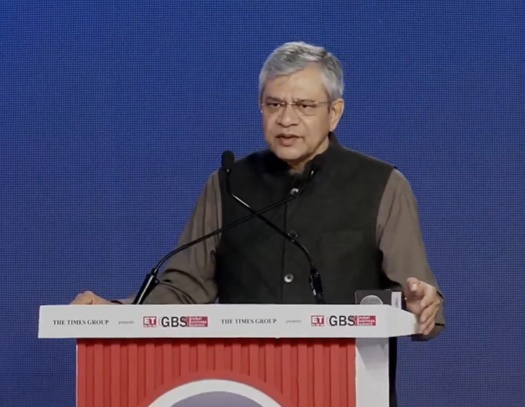
Recognition of Shankh Air’s potential has been reflected through awards such as the Times of India’s ET Leadership Excellence Award 2024, which highlights the industry’s interest and optimism about the airline. Such accolades serve not only as a morale booster but also boost the credibility and attractiveness of the airline among investors, partners, and future customers. These awards underscore the perception that Shankh Air could be an influential player in shaping the future of regional and affordable air travel in India.
Despite these promising developments, as of January 2026, the airline has yet to announce a firm and official date for its official launch. This careful approach demonstrates prudence, given the requirements of regulatory compliance, fleet readiness, and market conditions. The airline’s future success will depend on its ability to seamlessly navigate these challenges and deliver on its promise of affordable, reliable air travel.
In summary, Shankh Air’s journey from regulatory approval to operational launch encapsulates India’s evolving aviation landscape, where regional connectivity and affordability are gaining prominence. If successfully launched and managed, the airline could significantly influence domestic air travel, especially for middle-class travelers seeking cost-effective options, while also positioning itself for future international expansion. The coming months will be critical as the airline transitions from planning to actual operations, with the potential to become a notable player in India’s highly competitive airline industry.