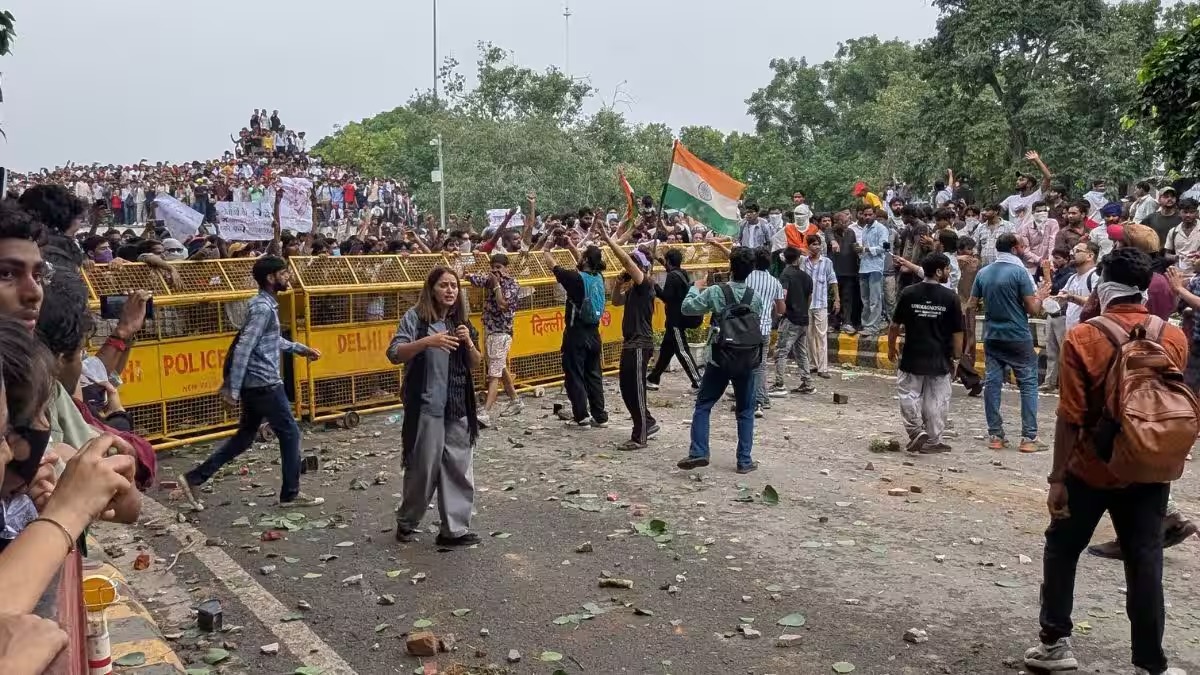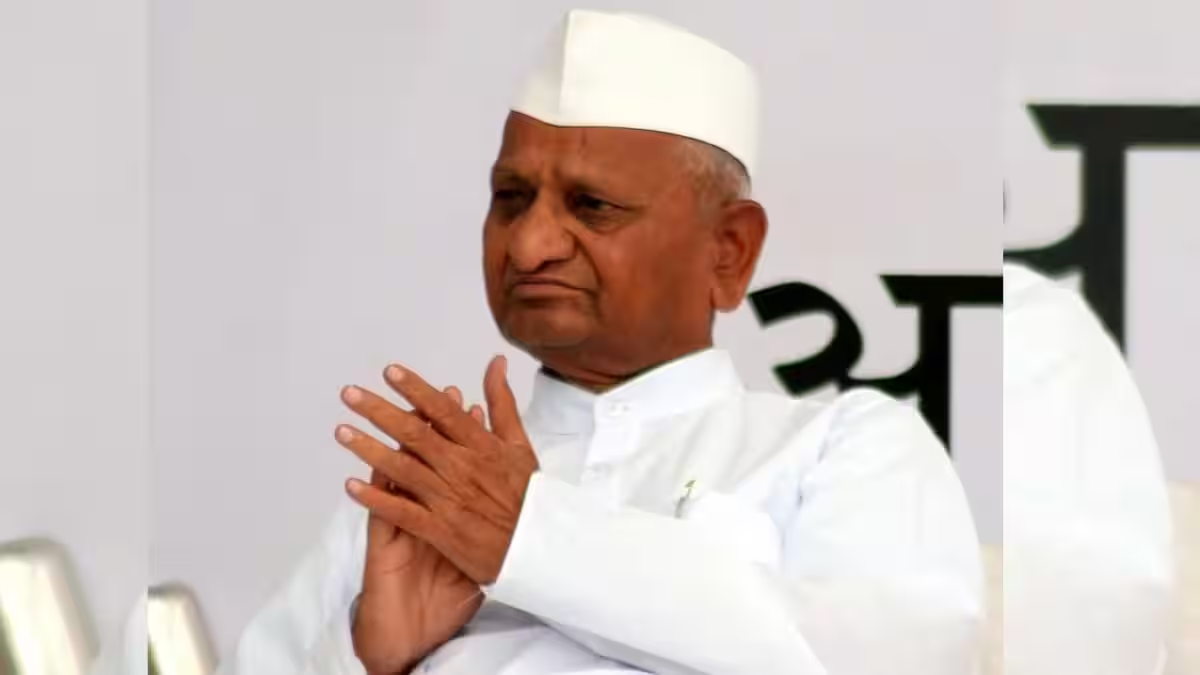
Anna Hazare, a well-known social activist, conducted a silent protest lasting two hours on Thursday at Ahilyanagar in Maharashtra. This demonstration was in support of students protesting in Delhi. The protest began at 11 am and ended at 1 pm, according to Hazare's aide, Datta Awari. Hazare chose the Mahatma Gandhi statue in Ahilyanagar as the site for his maun andolan (silent protest) before returning to his village, Ralegan Siddhi, in the same district.
Understanding the Silent Protest and Its Significance
Maun andolan, or silent protest, is a form of peaceful demonstration where participants express their dissent without speaking. Anna Hazare has a history of using this method to draw attention to social and political issues. In this instance, his protest was aimed at supporting students in Delhi who have been demonstrating against recent events involving police action and violence during their protests. By choosing silence, Hazare emphasized the gravity and solemnity of the students' grievances without escalating tensions.
Key Facts About the Protest and Hazare's Appeal
- The protest took place at the Mahatma Gandhi statue in Ahilyanagar, Maharashtra.
- It lasted from 11 am to 1 pm on Thursday.
- Hazare wrote a letter to Prime Minister Narendra Modi expressing concern over violence and police response to student protests.
- He urged the government to view the protests as societal agony and expectations rather than just law and order issues.
- Hazare suggested that if Union Education Minister Dharmendra Pradhan resigns, it would improve government accountability and effectiveness.
- He called for patient listening, trust-building, and positive dialogue to resolve the situation.
Why Anna Hazare's Protest Matters for Student Movements
Anna Hazare's involvement brings national attention to the student protests, highlighting the seriousness of their concerns. His call for Education Minister Dharmendra Pradhan's resignation signals a demand for accountability within the government. Hazare's letter to Prime Minister Modi frames the protests as a reflection of broader societal frustrations, urging a shift from a punitive approach to one focused on dialogue and understanding. This approach could pave the way for more constructive engagement between authorities and protesters, potentially leading to meaningful reforms in education policy and governance.
Moreover, Hazare's silent protest reinforces the power of peaceful demonstration in a time when protests can sometimes escalate into violence. His actions encourage both the government and the public to consider the underlying issues driving the protests rather than focusing solely on the disturbances they cause.
Frequently Asked Questions
Q: What prompted Anna Hazare to support the student protests?
A: Hazare was moved by reports of violence and police action against protesting students in Delhi and wanted to show solidarity through a silent protest.
Q: What does Hazare want from the government?
A: He urges the government to listen to the protesters' concerns patiently, foster trust, engage in positive dialogue, and consider the resignation of Education Minister Dharmendra Pradhan to improve accountability.
Q: Where did the silent protest take place?
A: The protest was held at the Mahatma Gandhi statue in Ahilyanagar, Maharashtra.