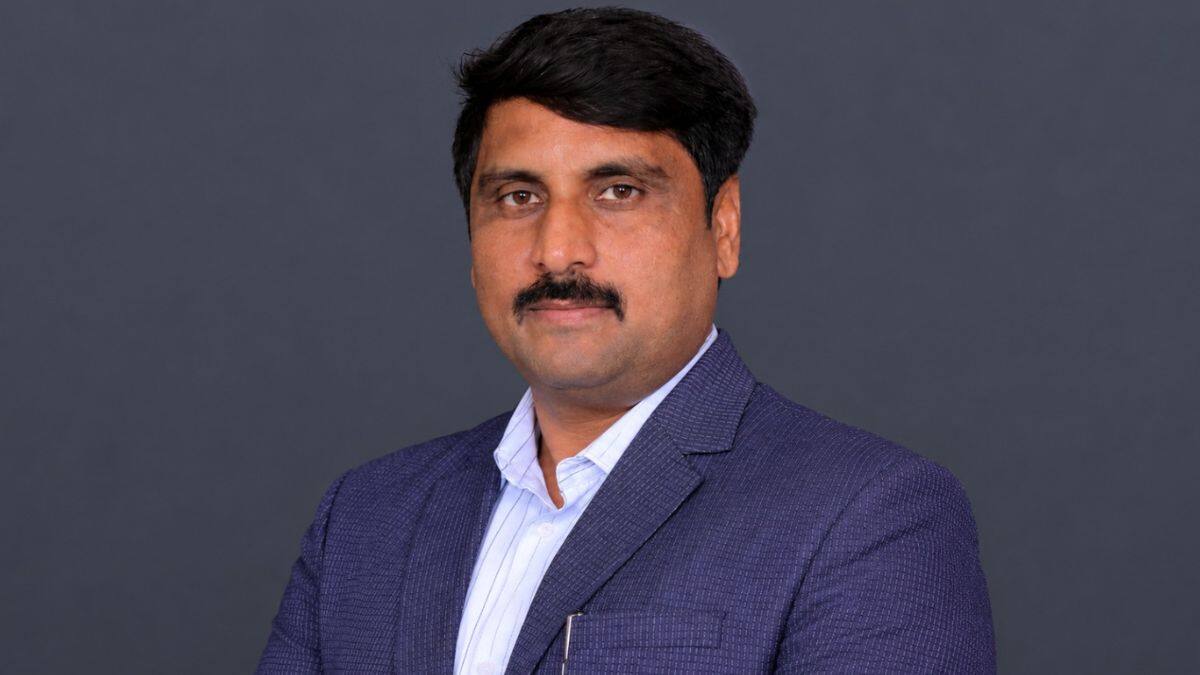
Yogeesh N, head of the mathematics department at Government First Grade College, Tumkur, has earned a place among the world's top 2% scientists in the 2026 Elsevier and Stanford University list. His research in applied mathematics, carried out alongside a full-time teaching job and limited resources, highlights dedication and innovation in academia.
- Yogeesh works late into the night after teaching duties to pursue research.
- He ranks 558,291 globally and 1,261 in applied mathematics with 94 publications.
- His research focuses on optimisation, numerical techniques, and fuzzy mathematical modelling.
- International collaborations support his research and publication efforts.
- He emphasizes research quality over quantity and calls for better support in government colleges.
How did Yogeesh N achieve global recognition despite limited resources?
Yogeesh balances a full-time teaching role with independent research. Unlike university professors with labs and research scholars, he works mostly at home late at night. His research uses mathematical models and computational methods, which require computers but not large laboratories. This approach allows him to overcome infrastructure challenges common in government degree colleges.
What are Yogeesh's main research areas and achievements?
His work focuses on applied mathematics fields such as optimisation, numerical techniques, computational mathematics, and fuzzy mathematical modelling. He has published 94 papers and holds an H-index of 9. His research mainly relates to information and communication technologies. These contributions earned him a place in the 2026 World's Top 2% Scientists list under the single-year impact category.
How do international collaborations support his research?
Yogeesh collaborates with researchers worldwide, including institutions in Malaysia, Kuwait, and Dubai. These partnerships help him publish papers in Scopus-indexed journals and participate in international conferences. Much of this collaboration happens online through discussions and joint publications. Some collaborators also assist with publication costs, which can be expensive.
What challenges do government college faculty face in research?
Faculty members often have limited funding, heavy teaching workloads, and inadequate infrastructure. While mathematics research can rely on computers, other sciences require specialized labs. Yogeesh notes that administration offers moral support but little financial or infrastructural help. He believes better facilities, dedicated research time, and collaboration opportunities are essential for quality research.
Why does Yogeesh emphasize research quality over quantity?
He points out that focusing on the number of publications for promotions can lead to lower research quality. Some institutions prioritize quantity to improve accreditation scores, resulting in papers published in less credible journals. This pressure may also raise ethical concerns and increase paper retractions. Yogeesh advocates for institutional support that values meaningful and reliable research findings.
How does Yogeesh support students despite limited research exposure?
He prepares students for postgraduate entrance exams and admission to institutions with better research facilities. Last year, four of his students secured admission to central universities for postgraduate programs. This guidance helps students pursue advanced studies despite the limited research environment at their college.
What are the difficulties in international academic visits?
Government approval processes for short international visits can be lengthy and complicated. Yogeesh explains that proposals must be submitted months in advance, making brief visits challenging. He hopes for improved institutional support to facilitate such opportunities for faculty and students.
Yogeesh N's journey shows that dedication, strategic use of resources, and international collaboration can lead to significant academic achievements even in challenging environments. His story highlights the need for better support systems in government colleges to foster quality research.