Venezuela's Acting President Sign Laws and Engage with US Officials
Venezuela's acting President, Delcy Rodríguez, has taken significant steps in her leadership, including signing new laws and communicating with the United States. These actions are part of ongoing changes in the country's political and economic situation.
4 min read251 views
Delcy Rodríguez is currently serving as the acting president of Venezuela. She took on this role following certain political events and has been actively working to change some of the country's policies. One of her most recent actions was signing a new law in late January 2026. This law is very important because it allows private companies, not just the government, to be involved in Venezuela's oil industry.
Before this law, the Venezuelan government controlled all aspects of oil production and sales through a state-owned company called PDVSA. This company had a monopoly, which means it was the only one allowed to do these activities. The new law changes this by allowing private companies from outside Venezuela to participate. This means multiple companies can now help produce and sell oil in the country. This kind of change is called opening up a country's industry to private investment. It often aims to increase productivity, create jobs, and bring more money into the country.
This move by Rodríguez is a big step because Venezuela’s economy has faced many problems, including shortages and economic decline. Allowing private companies to join oil work could help boost the economy by bringing in new investments and technology. It also sends a message that Venezuela is trying to improve its economic policies and attract foreign money.
On the same day this law was signed, a significant diplomatic event happened. The President of the United States, Donald Trump, announced that Venezuela's airspace was reopened. This means that U.S. aircraft can now fly over Venezuela again. This decision was made after a conversation with Rodríguez. This is seen as a positive step because it may help reduce tensions and improve the relationship between the two countries. Better relations could lead to more cooperation and help solve some ongoing problems.
Rodríguez has shown she is interested in inviting foreign countries to invest in Venezuela's economy. She believes that working with other nations can help improve Venezuela’s situation. She has spoken about making reforms, especially in the oil sector, to attract more foreign investment. By doing so, she hopes to bring in resources that will help Venezuela recover and develop.
In addition, she has called on the U.S. government to work with Venezuela on various issues. She emphasizes that Venezuela wants to have good diplomatic relations and is open to cooperation. She has also publicly stated that her government is ready to face any diplomatic challenges. At the same time, she asks other countries to respect Venezuela's leadership and decisions.
Rodríguez’s assumption of office was not by chance. She was sworn in as acting president by her brother, Jorge Rodríguez, who is the president of the National Assembly, a part of Venezuela’s government. Before her swearing-in, a court had ordered her to take the role of president. This was a key legal step that made her the acting leader during this period.
Other important events were happening around the same time. A court in Venezuela also issued an order confirming her as president. Meanwhile, the United States shut Venezuelan airspace to U.S. aircraft because of military activity in the region. This ban was put in place to restrict U.S. military or civilian flights from flying over Venezuela, possibly as a way to avoid any escalation of military issues.
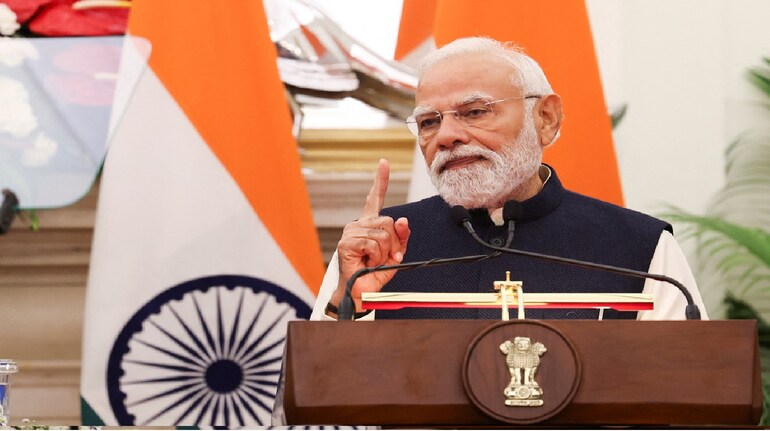
As of late January 2026, there are no reports that the Prime Minister of India has had a conversation with Rodríguez. This suggests that not all countries have engaged directly with her yet, or at least there is no public record of such talks.
Why are these events important? They reflect Venezuela’s efforts to change how it manages its economy and how it interacts with other countries. The changes in oil policy could help Venezuela recover from economic difficulties. Improving relations with the U.S. may open new doors for cooperation and stability. These actions show that Venezuela is trying to move forward and seek new opportunities, even amid ongoing political challenges.
Looking back, key dates to remember include January 3, 2026, when Rodríguez was sworn in and took legal steps to become acting president, and January 15-29, 2026, when reforms in the oil sector were proposed and laws were signed. On January 22, she publicly expressed her willingness to cooperate with the U.S., signaling a desire for better diplomatic relations.
In conclusion, Rodríguez is actively leading efforts to open Venezuela’s economy and improve international relations. Her focus is on peaceful cooperation, reforms, and attracting investment. These moves are seen as important steps toward stabilizing the country and opening new paths for its future.