What is Rule 349 and why Rahul Gandhi’s Naravane book reference triggered chaos in Lok Sabha?
In the Indian Parliament, a debate erupted over the quoting of an unpublished military memoir. The incident led to protests and the suspension of proceedings. The issue highlights parliamentary rules regarding the use of non-published material and the conduct expected from members during debates.
4 min read318 views
A disagreement occurred in the Lok Sabha, the lower house of India's Parliament, over the quoting of an unpublished book by a former Army Chief. During a debate, a Member of Parliament tried to cite information from the memoir of General M.M. Naravane. The book, titled 'Four Stars of Destiny,' has not been officially published and is still under review by the Ministry of Defence.
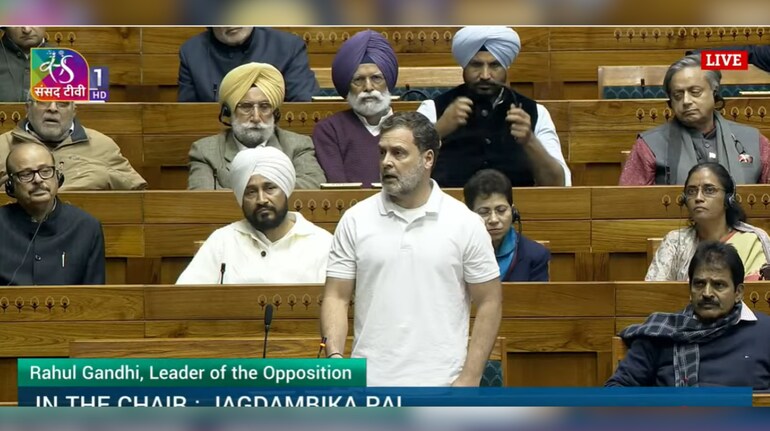
This incident took place on February 2, 2026, and quickly caused unrest in the House. The Member of Parliament, Leader of the Opposition Rahul Gandhi, referenced this unpublished memoir during his speech. By doing so, he aimed to bring forward certain points related to current security issues.
However, members from the ruling government, including Defence Minister Rajnath Singh and Home Minister Amit Shah, objected strongly. They argued that quoting from an unpublished book is against parliamentary rules. These rules specify that members must not read from any book, newspaper, or letter unless it is directly related to the business of the House. The government officials insisted that only material that is officially published and verified should be used in debates.
The Speaker of the House, Om Birla, intervened in the matter. He reminded members that quoting from unpublished material not directly connected to the proceedings goes against established parliamentary conventions. The Speaker's role is to maintain decorum and ensure that debates follow rules. His intervention was aimed at preventing the use of non-official sources that are not verified.
As a result of the disagreement, the Lok Sabha was temporarily adjourned. This means the session was paused, and no further discussions took place at that moment. The issue remains unresolved and is expected to be addressed in future sessions.
The controversy also brought attention to the status of General M.M. Naravane's memoir. As of February 2026, the memoir remains unpublished. The Ministry of Defence has not yet given security clearance for its release, which is required before the book can be officially published or circulated publicly. The delay in the publication process is standard for sensitive military or government-related materials, especially those involving security concerns.
Understanding why this incident matters involves recognizing the importance of rules in parliamentary conduct. These rules ensure that debates are based on verified and official information. Quoting from an unpublished and unverified source can lead to misinformation or unsubstantiated claims, which the rules seek to prevent.
Additionally, the incident highlights the boundaries of parliamentary privileges. Members are expected to adhere to norms that uphold the integrity of the House and avoid referencing materials that are not officially available. This helps maintain a transparent and respectful environment for legislative discussions.
Several key numbers and facts frame this event. The controversial quote was from an unpublished memoir being reviewed by the Ministry of Defence. The memoir remains under security review and has not been officially published as of February 2026. The incident occurred during the ongoing parliamentary session, which was temporarily adjourned to address the conflict.
The official position taken by the government emphasizes the importance of following established rules regarding the use of verified and published materials in the House. Government officials maintained that quoting from an unpublished, unverified source violates these norms. The Speaker’s role was crucial in reminding members of these rules and maintaining order.
This incident serves as a reminder of the importance of following parliamentary conduct rules. It underscores the need for members to use only officially published and verified information in debates. Moving forward, the matter will likely be discussed in future sessions, with a focus on clarifying what sources are acceptable in parliamentary discussions.
In summary, the controversy over quoting an unpublished memoir in the Lok Sabha highlights the importance of adhering to rules designed to ensure fair and verified discussions. It also brings attention to the status of the memoir, which remains under review and has not been officially published. The incident emphasizes the role of parliamentary procedures in maintaining order and integrity in legislative debates.