Why Rahul Gandhi’s reference to Naravane's memoir 'Four Stars of Destiny' triggered ruckus in Lok Sabha
A debate in the Indian Lok Sabha became heated when a politician quoted from an unpublished military memoir. The situation highlights the sensitive nature of military publications and the rules for parliamentary conduct.
3 min read232 views
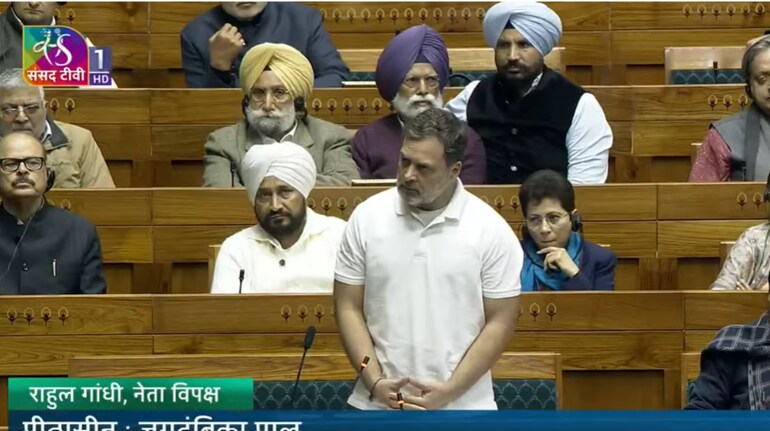
During a session of the Indian Lok Sabha, a controversy arose when a Member of Parliament quoted from an unpublished memoir by a former Army Chief. The session was focusing on the Motion of Thanks to the President's Address. The opposition leader, Rahul Gandhi, quoted excerpts from the memoir titled 'Four Stars of Destiny,' which was written by former Army Chief General Manoj Mukund Naravane. This book, which remains unpublished as of February 2026, discusses important military topics, including the 2017 Doklam stand-off and alleged Chinese military activities.
The excerpts used in Parliament caused a stir because the book has not yet been released to the public. The publication was scheduled for April 2024 but has faced delays, as it requires approval from the Ministry of Defence. The delay is part of the regular review process to ensure security and confidentiality.
The controversy started when Rahul Gandhi read parts of the memoir during his speech. His actions prompted objections from Defence Minister Rajnath Singh and Home Minister Amit Shah. They argued that quoting from an unpublished and unapproved manuscript breaches parliamentary rules. They emphasized that such material should not be used in debates until it is officially published and cleared.
The Speaker of the Lok Sabha, Om Birla, intervened in the debate. He explained that the Rules of Procedure and Conduct of Business in the House prohibit members from reading any book, newspaper, or letter unless it is connected directly to the work of the House. Specifically, Rule 349(i) states that members are not allowed to read such material during sessions.
Due to the uproar caused by this incident, the session was temporarily adjourned. Parliament paused to prevent further disruptions and to address the matter. The incident drew attention to the sensitive nature of military information and the importance of following proper procedures when discussing national security issues in Parliament.
As of February 2026, the memoir by General Naravane remains unpublished. It is still waiting for clearance from the Ministry of Defence, which reviews such documents to ensure they do not contain sensitive or classified information. The book was initially planned for release in April 2024 but has experienced delays because of this review process.
General Naravane has publicly stated that the responsibility for obtaining permissions to publish the book lies with the publisher. He indicated that he has complied with all requirements and that the delay is part of standard protocol to maintain security standards.
This controversy underscores the delicate balance between transparency, national security, and parliamentary procedures. It highlights the importance of respecting rules about the use of unpublished or sensitive material in public debates. The incident also shows the cautious approach taken by authorities regarding military publications and the restrictions placed on discussing unpublished documents in the public and legislative spaces.
Overall, the situation emphasizes the need for careful handling of military-related information in the context of democratic debates. It reminds lawmakers and officials of the protocols necessary to protect national interests while maintaining transparency and accountability.