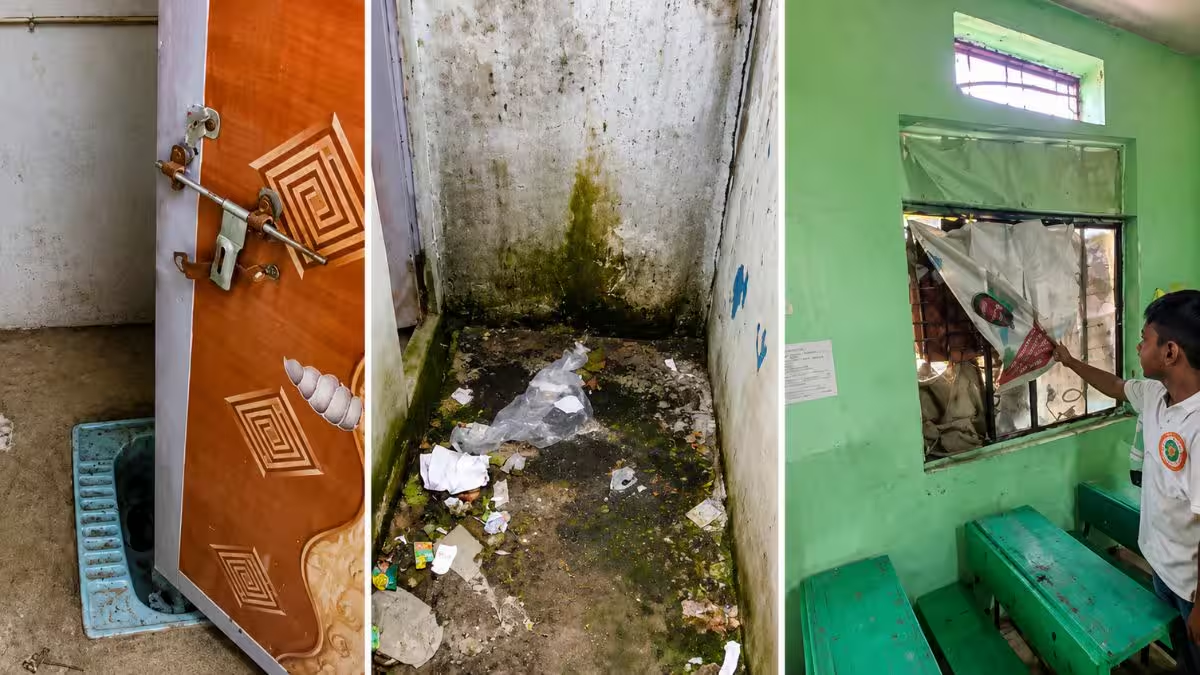
Abhijeet Dipke, founder of the Cockroach Janta Party (CJP), launched the 'School Thik Karo' campaign on August 15 in his native village of Santuk Pimpari, located in Maharashtra's Hingoli district. The initiative aims to improve basic facilities and infrastructure in government schools across rural India. On the 80th Independence Day, Dipke hoisted the national flag in his village and visited the local government school to assess its condition firsthand.
Spotlight on School Conditions in Santuk Pimpari
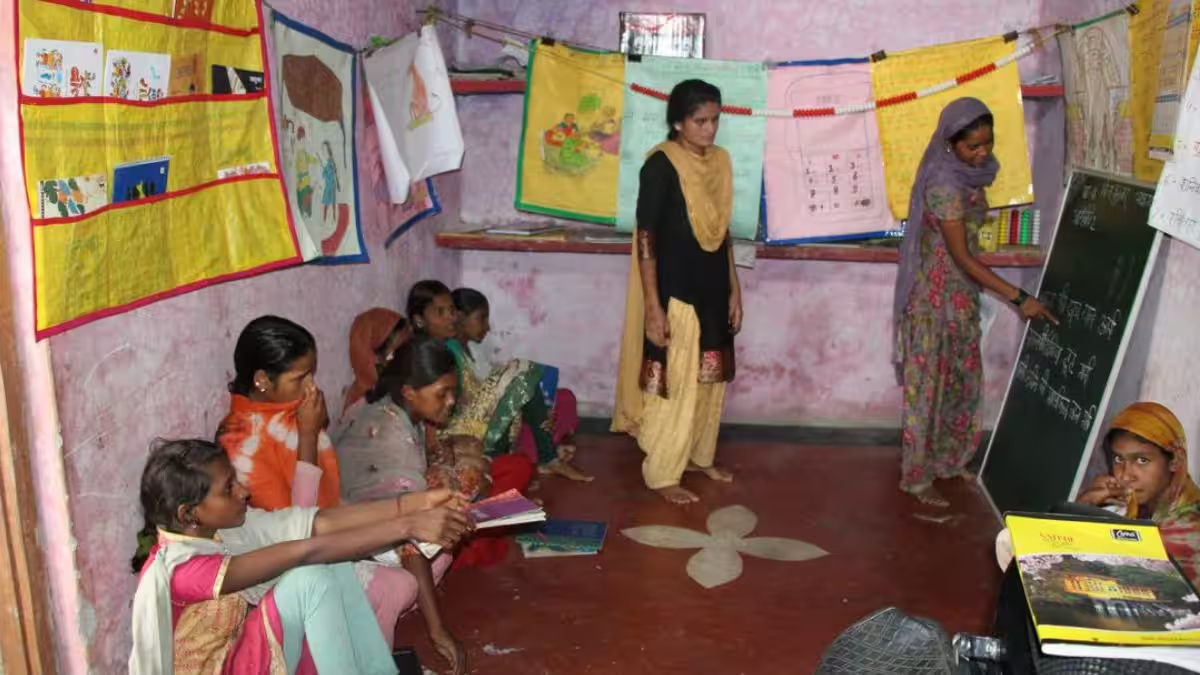
During the visit, Dipke and his team conducted a detailed audit of the government school to identify the challenges faced by students. The findings revealed significant shortcomings in essential amenities. Students reported a lack of benches, clean drinking water, and functional toilets. Additionally, the school had a non-working computer and faced a shortage of teaching staff. Physical infrastructure issues were also evident, including broken windows and inadequate water supply.
Dipke expressed mixed emotions about the visit. While he felt proud to celebrate Independence Day in his hometown, he was deeply saddened by the poor state of the school. He remarked on the irony that even after 80 years of India’s independence, many government schools still struggle to provide basic educational facilities.
Understanding the 'School Thik Karo' Campaign
The 'School Thik Karo' campaign is a nationwide effort initiated by Dipke and the CJP to address the widespread neglect of government schools in rural areas. The campaign involves forming teams that visit villages to engage with local residents and village leaders, known as sarpanchs, encouraging them to take responsibility for improving school conditions. Dipke emphasized the importance of community participation, urging parents and villagers to actively visit schools and report any deficiencies they observe.
During the visit to Santuk Pimpari, Dipke spoke with the village sarpanch, who assured him that the Panchayat would work to resolve the issues within a week. This local commitment is seen as a critical step toward improving the educational environment for children in the village.
Why Improving Rural Schools Matters
Government schools in rural India are often the only option for many children, making their condition crucial for educational equity. Lack of basic facilities such as seating, clean water, and sanitation can severely impact students’ health, attendance, and learning outcomes. Teacher shortages and broken equipment further hinder the quality of education.
Campaigns like 'School Thik Karo' highlight these challenges and seek to mobilize local communities and authorities to take action. By drawing public attention to these issues, the initiative hopes to create accountability and prompt timely improvements. For villages like Santuk Pimpari, such efforts could mean better learning environments and brighter futures for children.
Frequently Asked Questions
Q: What is the main goal of the 'School Thik Karo' campaign?
A: The campaign aims to improve basic facilities and infrastructure in government schools, especially in rural areas, by involving local communities and authorities.
Q: What problems were found in the Santuk Pimpari government school?
A: The school lacked benches, clean drinking water, and functional toilets. There was also a non-working computer, a shortage of teachers, broken windows, and poor water supply.
Q: How can local residents contribute to improving schools?
A: Residents are encouraged to visit schools regularly, report deficiencies, and work with village leaders to ensure timely repairs and improvements.