Historic Appointment of First Female BMC Commissioner
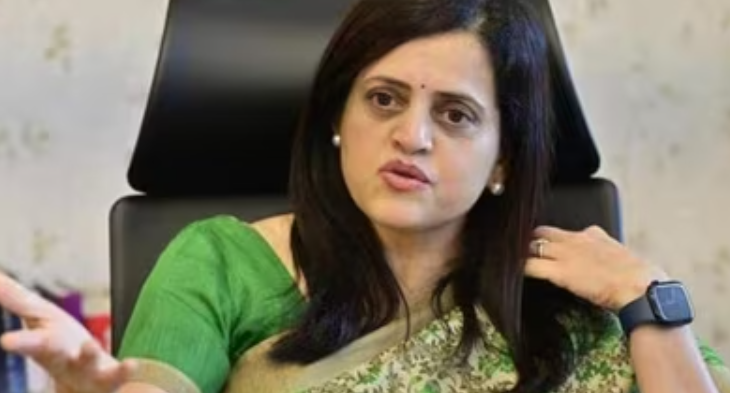
In a landmark development, Mumbai saw the appointment of IAS officer Ashwini Bhide as the new commissioner of the Brihanmumbai Municipal Corporation (BMC). This is the first time a woman has headed India’s richest civic body, symbolizing progress in urban administrative leadership.
Career Background and Administrative Experience
Ashwini Bhide, a 1995 batch IAS officer, has a strong record in public administration. She began her career in Kolhapur and has served as CEO of Nagpur and Sindhudurg Zilla Parishads. She has also worked in key positions at Raj Bhavan, served as additional commissioner of the Mumbai Metropolitan Region Development Authority (MMRDA), and has held roles within the BMC.
Role in Governance and Chief Minister’s Office
Before becoming BMC commissioner, Bhide was the Additional Chief Secretary in the Chief Minister’s Office. She is recognized for efficiently managing complex responsibilities and handling high-stakes administrative tasks, earning trust in Maharashtra’s bureaucracy.
'Metro Woman' and Mumbai Metro Line 3 Leadership
Ashwini Bhide is popularly known as the “Metro Woman of Mumbai” for leading the Mumbai Metro Line 3 project, also called the Aqua Line. This underground metro connects Colaba to SEEPZ and faced challenges like tunneling beneath heritage sites and land acquisition. The project also involved managing the Aarey Colony controversy related to environmental concerns.
Important Facts for Exams
- BMC is India’s richest civic body.
- Mumbai Metro Line 3 is the city’s first underground metro corridor.
- Aarey Colony controversy relates to environmental issues near Sanjay Gandhi National Park.
- IAS officers are recruited through the Civil Services Examination conducted by UPSC.
Significance of Her Appointment
Her appointment came after the retirement of the previous commissioner, Bhushan Gagrani, and following Mumbai civic elections. Her leadership is expected to influence urban infrastructure, public service quality, and governance reforms. It also showcases a trend toward more inclusive leadership in India’s administration, shaping Mumbai's future development.