Shekha Jheel’s Significance
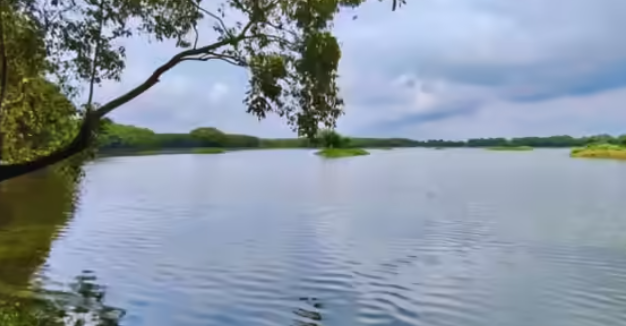
Shekha Jheel, located in Aligarh district of Uttar Pradesh, is an important wetland and bird habitat. It attracts many migratory birds during winter, serving as a key stopover on the Central Asian Flyway, a major bird migration route. Species like the Bar-headed Goose, Central Asian Flyway, and various ducks are commonly seen here.
What Does Ramsar Site Status Mean?
The Ramsar Convention is an international treaty from 1971 that aims to protect and sustainably use wetlands. Being a Ramsar site recognizes the wetland's ecological, hydrological, and biological importance. It helps in better conservation planning, gets international recognition, and supports long-term ecological health. It also links wetland conservation with climate change resilience and water security.
Benefits for Eco-Tourism in Uttar Pradesh
The new Ramsar designation is expected to boost eco-tourism around Shekha Jheel. Bird-watchers, photographers, and nature lovers will visit especially during migration seasons. This tourism can create jobs in guiding, hospitality, and conservation activities, promoting Shekha Jheel as a major eco-tourism destination near Aligarh.
Key Facts for Examination
- The Ramsar Convention was signed in 1971 in Ramsar, Iran.
- The Central Asian Flyway involves migratory routes across Europe, Central Asia, and the Indian subcontinent.
- Bar-headed Geese are known for flying over the Himalayas at very high altitudes.
- Uttar Pradesh has the highest number of Ramsar sites among Indian states.
Wetlands and National Importance
Adding Shekha Jheel as a Ramsar site shows India's focus on restoring wetlands for environmental health. Wetlands help in groundwater recharge, flood control, conserving biodiversity, and storing carbon. This move aligns with India's broader ecosystem restoration goals and global commitments. As India nears its 100th Ramsar site, Shekha Jheel stands as a symbol of sustainable conservation and regional ecological pride.