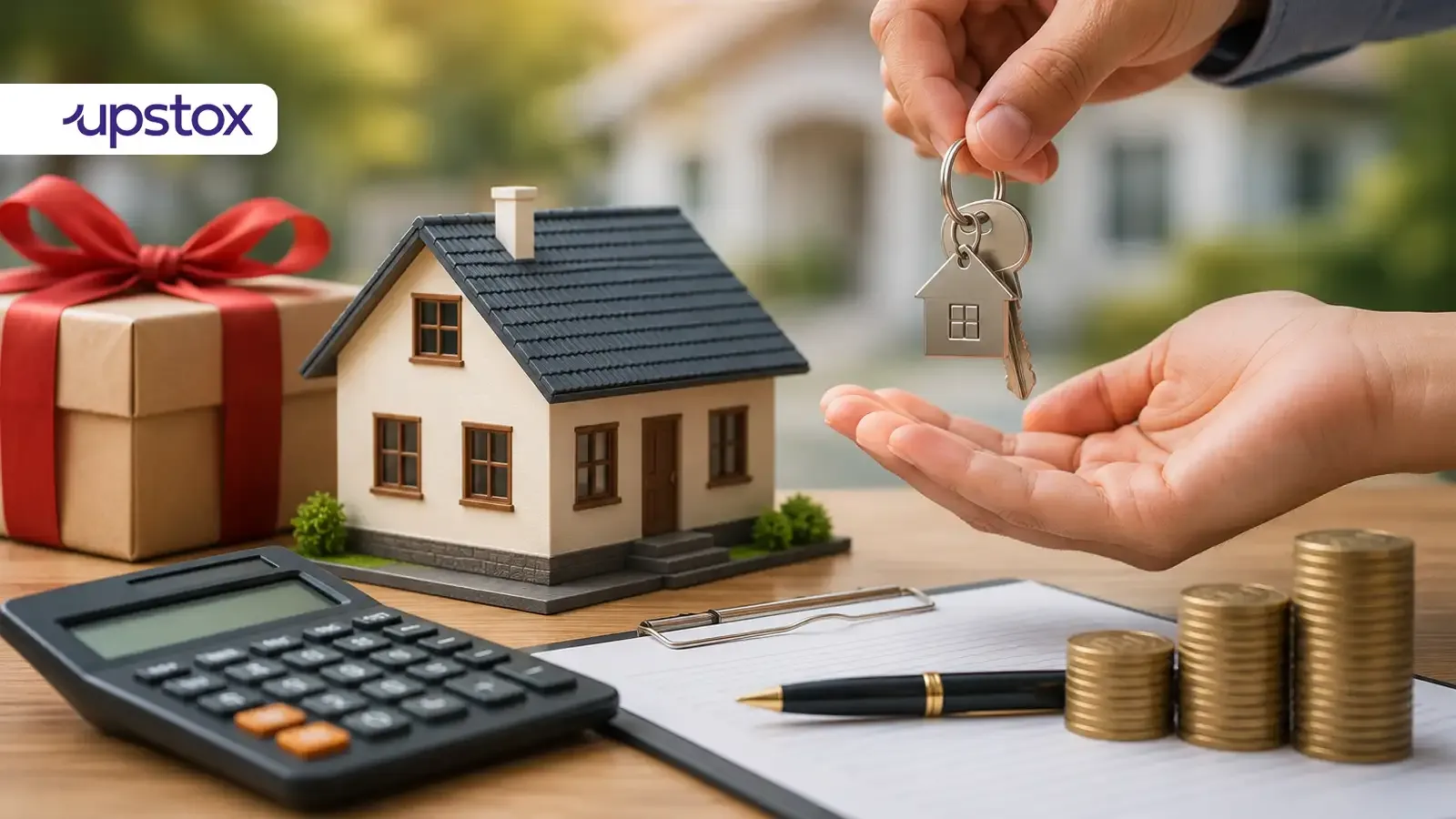
When a person sells a house that was previously gifted to them by their spouse, questions often arise about how capital gains tax will be calculated. The tax treatment depends on the holding period of the property and whether the gains qualify as long-term or short-term. Recent clarifications from the income tax department provide guidance on how to handle such cases, especially when the property was acquired before July 23, 2024.
Understanding these rules is important for taxpayers to correctly compute their tax liability and take advantage of available options.
How Holding Period Affects Capital Gains Tax
Capital gains tax on property sales depends largely on whether the asset is classified as a long-term or short-term capital asset. For land and buildings, the holding period must be at least 24 months for the gains to be considered long-term. This classification affects the tax rate and the method of calculation.
When a property is gifted from one spouse to another, the original owner's holding period is carried over. This means the time the first spouse held the property is added to the time the receiving spouse holds it before selling. If the combined holding period exceeds 24 months, the gains are treated as long-term capital gains.
Key Facts About Tax on Gifted Property Sales
- If the property was acquired before July 23, 2024, the seller has two tax options: pay 12.5% tax on the profits or pay 20% tax on indexed long-term capital gains.
- When a spouse gifts a property, the income from the sale is included in the original owner's income under clubbing provisions, meaning the original owner is responsible for paying the tax.
- The holding period of the original owner is counted along with the holding period of the spouse who sells the property to determine if the gains qualify as long-term.
- Long-term capital gains benefit from indexation, which adjusts the purchase price for inflation, potentially reducing taxable gains.
Why This Clarification Matters for Property Owners
This guidance provides clarity for couples dealing with gifted property sales, ensuring they understand their tax obligations. By combining holding periods, many sellers can qualify for long-term capital gains treatment, which generally offers lower tax rates and benefits from indexation.
Additionally, knowing that the original owner is liable for the tax under clubbing provisions helps avoid confusion and ensures proper reporting on tax returns. This can prevent disputes with tax authorities and potential penalties.
For properties acquired before July 23, 2024, sellers have the flexibility to choose the tax calculation method that results in a lower tax burden. This choice can have significant financial implications, especially for high-value properties.
Frequently Asked Questions
Q: How is the holding period calculated when a house is gifted by a spouse?
A: The holding period includes the time the original owner held the property plus the time the spouse holds it after receiving the gift. This combined period determines if the gains are long-term.
Q: Who pays the capital gains tax when a gifted house is sold?
A: Under clubbing provisions, the original owner who gifted the property is responsible for paying the capital gains tax on the sale.
Q: What tax rates apply to long-term capital gains on property acquired before July 23, 2024?
A: Sellers can choose to pay either 12.5% tax on the profits or 20% tax on indexed long-term capital gains, whichever is more beneficial.