Supreme Court Calls for Clarification on Young Children's Education Rights
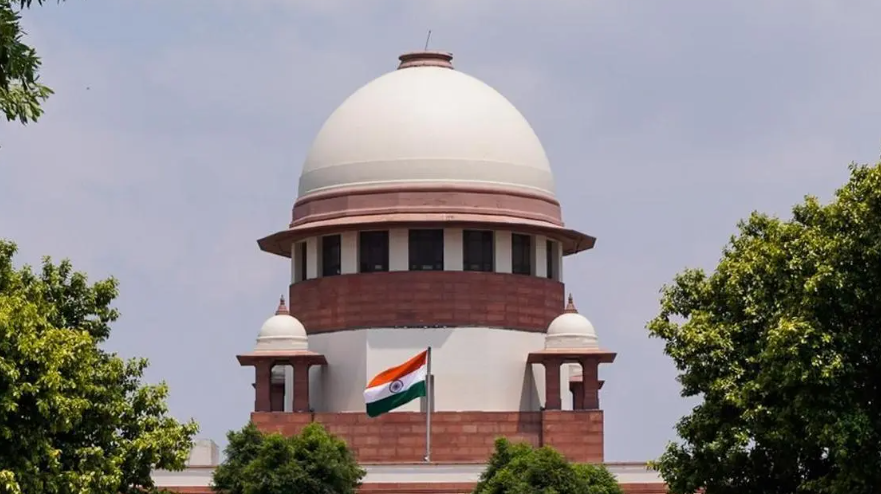
On April 14, 2026, the Supreme Court directed the Central and State governments to clarify their stance on providing free and compulsory education at the pre-primary level. The court's intervention came during a hearing on a Public Interest Litigation that seeks better implementation of the National Education Policy 2020 and aims to include early childhood education within the scope of the Right to Education.
Expanding the Concept of Right to Education
The petition asked the Court to view pre-primary education as part of the fundamental right to education under Article 21A of the Indian Constitution. Presently, Article 21A guarantees free and compulsory education for children aged 6 to 14. The petition stressed that early childhood education forms the foundation of learning and should also be protected by the Constitution.
Challenges in Government Schools
The petitioner pointed out that more than 60 per cent of rural children and nearly 30 per cent of urban children rely on government schools. Problems like shortage of trained teachers, poor infrastructure, and limited digital access are hampering basic education for young children. These issues mostly affect marginalized groups.
Need for Oversight and Monitoring
The plea recommended creating an independent body or court-supervised committee to oversee pre-primary education. It proposed involving education experts and members of NCERT to ensure policies are implemented correctly and systemic faults are addressed in government institutions.
Important Facts for Exams
- Article 21A offers free and compulsory education to children aged 6–14 years.
- The National Education Policy 2020 stresses Early Childhood Care and Education (ECCE) for ages 3–6.
- The Right to Education Act, 2009 enforces Article 21A but does not include pre-primary education.
- NCERT plays a key role in curriculum development and academic standards in India.
Judicial Focus on Early Education
The Supreme Court’s inquiry indicates a rising focus on strengthening early childhood learning. The Court’s demand for government responses has started a debate on whether early education should be recognized as a fundamental right, which may influence future education policies in India.