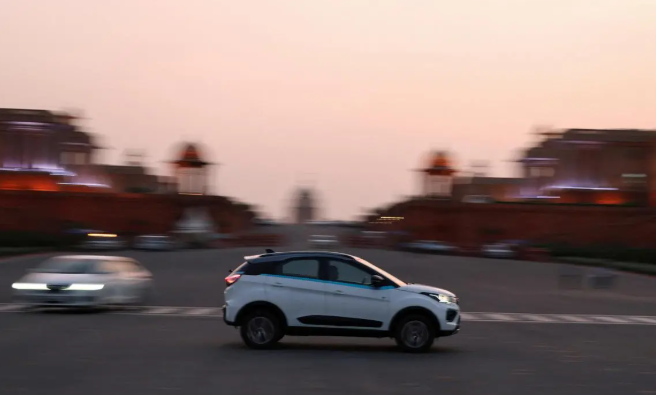
Overview of Delhi's Draft EV Policy
The Delhi government has released a draft EV Policy covering the years 2026 to 2030. Its aim is to boost the use of electric vehicles, cut down vehicular pollution, and promote sustainable urban transport. The policy includes financial incentives like tax exemptions and sets gradual goals for shifting to EVs. Public opinions are being sought for 30 days before final approval.
Tax Exemptions for Electric Vehicles
Full Tax Benefits for Affordable EVs
Electric cars costing up to ₹30 lakh (ex-showroom) will be fully exempted from road tax and registration fees until March 31, 2030. This initiative is designed to make EVs accessible and appealing to middle-income groups. However, electric cars costing more than ₹30 lakh will not qualify for these exemptions. The focus remains on encouraging widespread adoption rather than luxury models.
Incentives for Hybrid Vehicles
The policy also proposes a 50 per cent reduction in road tax and registration fees for hybrid vehicles with strong hybrid technology. This approach recognizes hybrids as a transitional step towards full electric mobility. Partial incentives aim to motivate consumers to gradually shift from traditional to cleaner vehicles.
Regulatory Shift to Electric Three-Wheelers
Starting from January 1, 2027, only electric three-wheelers will be eligible for new vehicle registrations in Delhi. This measure targets a major source of pollution, as three-wheelers are widely used for passenger and goods transportation. Electrifying this vehicle segment aims to significantly reduce air pollution in the city.
Key Facts for UPSC/PSC Exams
- Delhi EV Policy was first introduced in August 2020 to tackle air pollution.
- 100% tax exemptions are available only for EVs costing up to ₹30 lakh.
- From January 2027, only electric three-wheelers can be registered.
- Strong hybrid vehicles will receive 50% tax benefits.
Policy Continuity and Environmental Goals
The current draft builds on the earlier policy introduced in 2020, which was valid till August 2023 and has been extended. Its objectives are to strengthen Delhi’s EV ecosystem, improve air quality, and reduce reliance on fossil fuels. The policy reflects the broader goal of sustainable urban mobility and aligns with national clean energy targets.