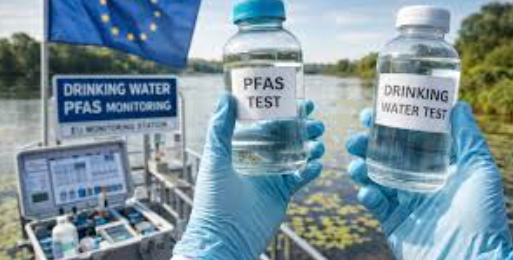
What Are PFAS?
Per- and Polyfluoroalkyl Substances are human-made chemicals comprising over 4,700 types. They contain strong bonds between carbon and fluorine atoms, which make them highly resistant to natural breakdown. As a result, PFAS accumulate in the environment and living beings over time, making them a significant global pollutant.
Composition and Main Subgroups
PFAS are made up of fluorinated carbon chains of different lengths. Important types include Perfluorooctane Sulfonic Acid (PFOS) and Perfluorooctanoic Acid (PFOA). Both are classified as persistent organic pollutants under the Stockholm Convention, indicating their hazardous nature. Their chemical stability makes them very difficult to eliminate from the environment.
Sources of Exposure
PFAS are used extensively in daily products and industries. They are present in non-stick cookware, food packaging, stain-resistant fabrics, and are used in aerospace, automobile, and electronics manufacturing. Over time, these chemicals leach into soil, water, and air, and humans are mainly exposed through contaminated food, drinking water, inhalation, and products that contain PFAS.
Key Facts for Exams
- PFAS are called “forever chemicals” because they do not break down easily.
- PFOS and PFOA are major PFAS included under the Stockholm Convention.
- They have strong carbon-fluorine bonds, which prevent natural decomposition.
- Common sources include non-stick cookware and food packaging.
Health Effects and Regulatory Actions
Exposure to PFAS has been linked to health problems such as lowered fertility, developmental issues in children, hormonal imbalance, increased cholesterol levels, and higher chances of certain cancers. Recognizing these dangers, international agreements like the Stockholm Convention have listed some PFAS as persistent organic pollutants. The recent move by the European Union to add PFAS to water pollution standards shows a strong effort to strengthen environmental laws and safeguard public health.