What is the FAO Food Price Index?
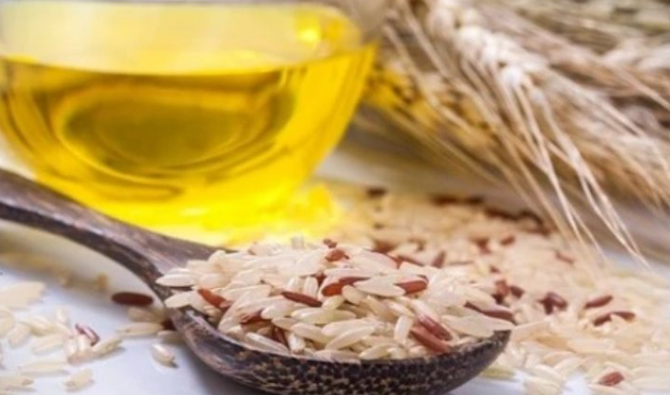
The FAO Food Price Index is a crucial measure that tracks the monthly changes in prices of key food commodities worldwide. It helps policymakers and economists understand global price trends. The index is based on the weighted average of five groups: cereals, vegetable oils, dairy products, meat, and sugar.
Methodology and Base Year
The index uses the export share of each commodity group as a weight, meaning more traded commodities influence the index more. The base period for comparison is 2014–16, providing a standard reference to measure price changes over time. This method ensures consistency in comparing data across different periods.
Role of the Food and Agriculture Organization
The FAO is a specialized UN agency that works to eliminate hunger and improve global food security and nutrition. It aims to ensure everyone has regular access to enough safe and nutritious food. With 195 members, including 194 countries and the European Union, FAO operates in over 130 countries and partners with organizations like WFP and IFAD.
Important Facts for Exams
- The FAO Food Price Index tracks monthly global food price changes.
- It covers five main commodity groups: cereals, vegetable oils, dairy, meat, and sugar.
- The base year for the index is from 2014–16.
- The headquarters of FAO is located in Rome, Italy.
Key Reports and Their Global Impact
FAO publishes important reports such as The State of the World’s Forests (SOFO), The State of World Fisheries and Aquaculture (SOFIA), The State of Agricultural Commodity Markets (SOCO), and The State of Food Security and Nutrition in the World (SOFI). These reports offer valuable insights into global food systems, resource use, and sustainability, helping address worldwide food challenges.