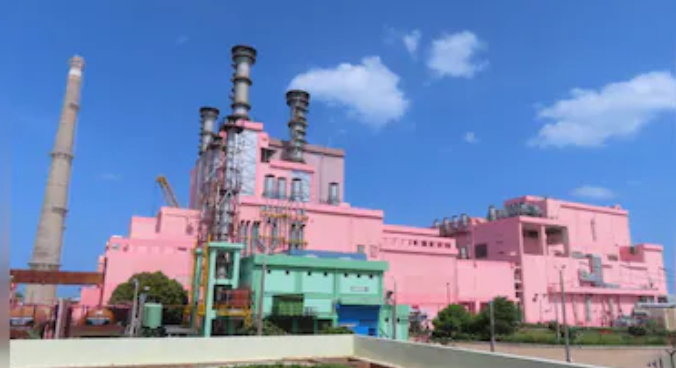
Understanding Criticality in Nuclear Reactors
Criticality occurs when a nuclear reactor sustains a stable chain reaction without needing external neutron supply. At this stage, each nuclear fission event releases enough neutrons to keep the reaction ongoing constantly. Reaching criticality is essential for reactor safety and commissioning, although it does not mean power generation has started.
Features of the Prototype Fast Breeder Reactor
The PFBR is a 500 megawatt electric fast breeder reactor cooled by sodium, developed entirely within India over more than twenty years. Managed by Bharatiya Nabhikiya Vidyut Nigam Limited (BHAVINI) at the Indira Gandhi Centre for Atomic Research (IGCAR), it uses plutonium as fuel and is designed to produce more fissile material than it consumes, improving fuel efficiency.
Significance in India’s Nuclear Power Plan
The PFBR represents India’s step into the second stage of its three-part nuclear strategy outlined by Dr. Homi Jehangir Bhabha. In this stage, plutonium from Pressurised Heavy Water Reactors is used in fast breeder reactors. This approach prepares the way for the third stage, which focuses on thorium-based reactors, as India has large thorium reserves.
Important Facts for Exams
- PFBR is situated at Kalpakkam in Tamil Nadu.
- Fast breeder reactors generate more fissile fuel than they consume.
- India’s nuclear programme follows a three-stage approach.
- India has some of the largest thorium reserves in the world.
Strategic and Energy Security Benefits
The achievement of criticality boosts India’s long-term energy security and supports its goal of achieving net-zero emissions by 2070. Fast breeder technology allows efficient recycling of nuclear fuel and reduces reliance on imported uranium. Once fully operational, PFBR will serve as a model for future reactors and play a major role in reaching India’s target of 100 gigawatts of nuclear power capacity by 2047.