Understanding Space Analogues in Ladakh
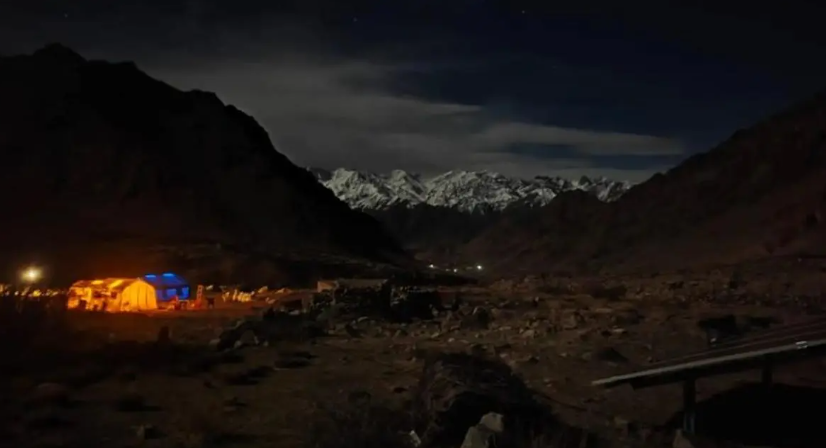
ISRO's Mission MITRA is conducted in the high-altitude region of Leh, Ladakh, which provides conditions similar to those encountered in space missions. The environment features reduced oxygen levels known as hypoxia, extremely cold temperatures, and geographical isolation, all of which influence human physical and mental performance. This allows ISRO to test astronaut resilience on Earth without traveling to space, an approach recognized worldwide as essential for preparing for space travel.
Focus Areas of the Mission
The mission aims to study how astronauts and ground teams work together under stress through a project called Mapping of Interoperable Traits and Response Assessment. It evaluates critical skills such as decision-making, communication, psychological stability, and adaptability. Special attention is given to how crews keep coordinated and effective over extended periods in tough conditions.
Collaborative Efforts in Mission Planning
ISRO has partnered with the Indian Air Force’s Institute of Aerospace Medicine to design the mission. Support services, including facility management and compliance, are provided by Bengaluru-based startup Protoplanet. This joint effort combines expertise from space science, aviation medicine, and private industry, highlighting a multi-agency approach towards human spaceflight readiness.
Key Facts for Exam Preparation
- Mission MITRA means Mapping of Interoperable Traits and Response Assessment.
- The mission takes place in Leh at about 3,500 metres altitude.
- It is part of ISRO’s Gaganyaan human spaceflight program.
- Major partners include ISRO, IAF’s Institute of Aerospace Medicine, and Protoplanet.
Impact on Future Space Missions
Results from Mission MITRA will help enhance crew safety and mission efficiency. Findings related to stress, teamwork, and operational behavior will aid in improving astronaut training and planning. The data will also support longer missions by better understanding human limits and strengths in extreme environments, paving the way for future space exploration.