Project Overview and Goals
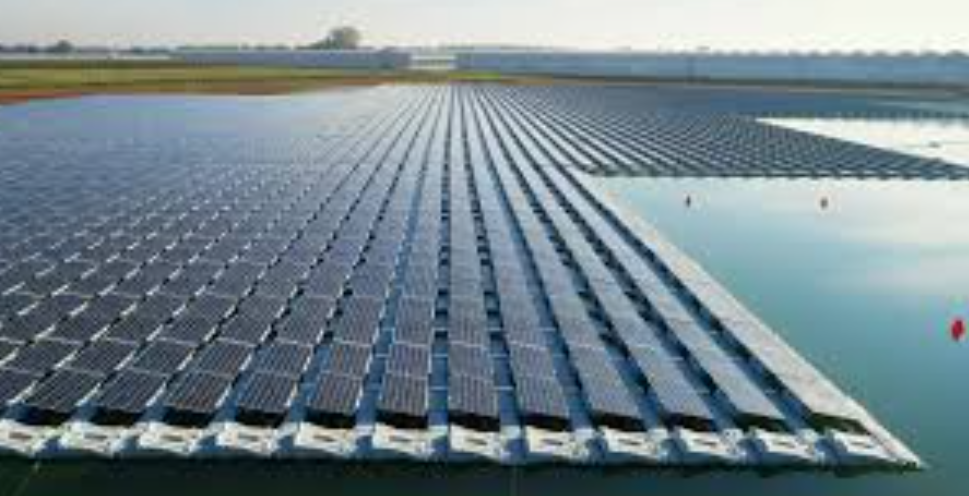
Zimbabwe is set to develop a 500 MW floating solar power plant on Lake Kariba, one of the largest artificial reservoirs worldwide. The goal is to increase the stable supply of electricity, especially for industries such as mining and mineral processing, which are vital for export earnings. The project will utilize the current transmission system to maximize efficiency and tap into underused grid capacity.
Challenges Faced by Hydropower
Kariba Dam has traditionally been Zimbabwe's main source of electricity. However, frequent droughts and reduced water levels have limited energy output. This dependency on water inflows has led to power shortages. The floating solar project offers a complementary solution, ensuring a steadier energy supply regardless of water availability.
Advantages of Floating Solar Technology
Floating solar panels on water bodies offer several benefits. They reduce land use, benefit from water cooling which boosts efficiency by up to 10%, and decrease water evaporation through shading. The hybrid system, producing solar power during the day and hydropower at night, provides consistent energy without major upgrades to the grid infrastructure.
Key Facts for Exams
- Kariba Dam is located on the Zambezi River between Zambia and Zimbabwe.
- Lake Kariba is the world’s largest artificial reservoir by volume.
- Floating solar panels benefit from natural water cooling, increasing efficiency.
- Hybrid energy systems combine sources like solar and hydropower for reliable power.
Economic and Environmental Impact
The project aims to support Zimbabwe's efforts to reduce carbon emissions and lessen reliance on fossil fuels. Industries using renewable energy might gain carbon credits, improving their global competitiveness. The initiative also promotes aquaculture activities under the solar panels, which could create jobs and boost local incomes. Integrating clean energy with development plans represents a sustainable approach for the future.