Russia’s Ban on Stanford University and Its Impact
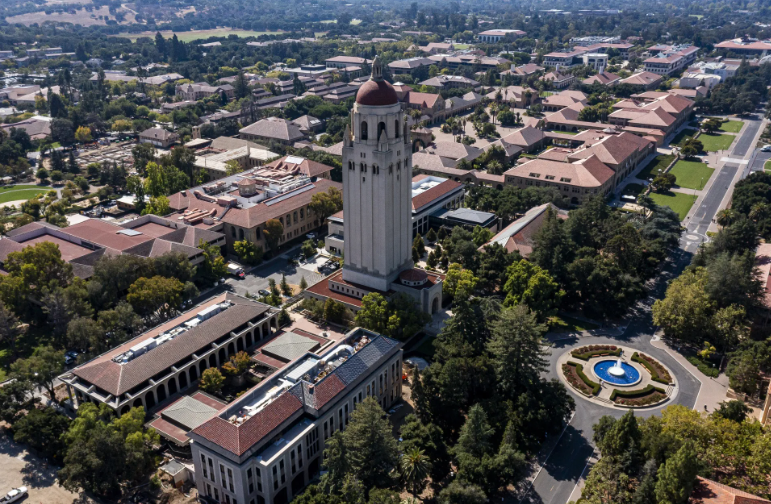
Russia has officially classified Stanford University as an "undesirable organisation". This action heightens restrictions on foreign academic institutions operating within Russia, making any association with Stanford illegal for Russian citizens. Students and academics connected to the university now face legal risks.
Legal Consequences for Students and Organisers
Under Russian law, those associated with organizations labeled "undesirable" can be punished severely. Students linked to Stanford risk up to four years in prison, while organizers or collaborators could face imprisonment for as long as six years. The law effectively criminalizes academic connections with one of the world's top universities.
Part of a Larger Effort to Restrict Foreign Influence
Stanford is among at least 19 Western universities that Russia has blacklisted in the past five years. Over 200 foreign organizations, including Yale University, Amnesty International, and the British Council, have been given the "undesirable" tag. This is part of a law enacted in 2015 aimed at limiting foreign influence in Russia.
Concerns on Academic Freedom and Russia’s Global Position
Human rights groups say these measures suppress free expression and restrict educational exchange. The ban includes Stanford’s Centre for Russian, East European, and Eurasian Studies, intensifying restrictions. Many critics believe the move is linked to Russia’s policies after the Russia-Ukraine conflict, which have increased foreign engagement controls.
Important Facts for Exams
- Russia’s "undesirable organisations" law was enacted in 2015.
- People tied to such organisations can face criminal charges.
- More than 200 foreign groups are currently blacklisted by Russia.
- This law is widely criticised for limiting academic and civil freedoms.
Effects on Education and Research
Experts warn that Russia’s actions may isolate its students from global academia and reduce opportunities for joint research. Increasing restrictions might cause students to study abroad, weakening Russia’s domestic educational development. These measures reflect growing tensions between Russia and Western educational institutions.