How Plastic Waste Is Turned into Medicine
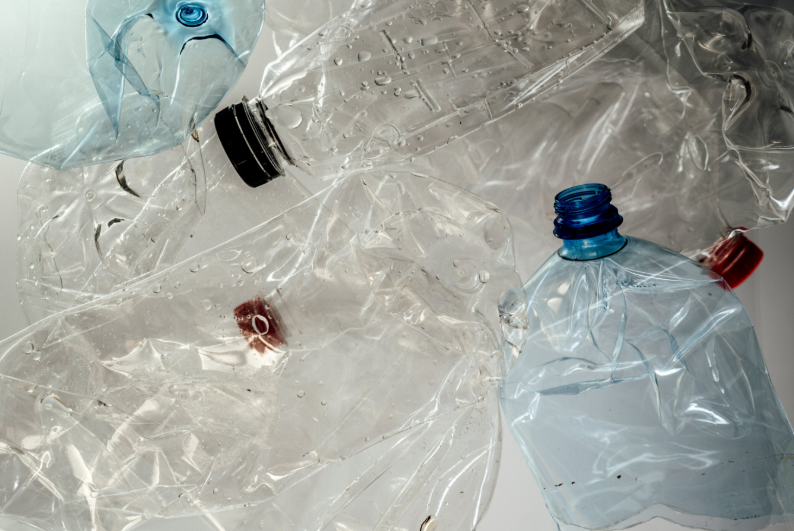
Researchers at the University of Edinburgh have used genetically engineered E. coli bacteria to break down polyethylene terephthalate (PET), a common plastic used in bottles and packaging. These bacteria utilize the carbon in plastic to produce levodopa, a key drug for treating Parkinson’s disease. This process shows how plastic waste can be converted into valuable medical resources.
Significance for Parkinson’s Treatment
Levodopa is the most effective medicine for Parkinson’s disease, a neurological disorder affecting over 10 million people worldwide. It helps control symptoms like tremors, rigidity, and movement problems. As the global population ages, the demand for levodopa is increasing, making sustainable production methods more important.
Environmental and Economic Advantages
Traditional production of levodopa depends on fossil fuels, which consume a lot of energy and release carbon emissions. The new biotech method reduces reliance on fossil resources and promotes reuse of plastic waste, supporting a circular economy. Previous research by the same team also showed plastic could be converted into paracetamol.
Key Facts for Exams
- Levodopa is the main drug used to treat Parkinson’s symptoms.
- PET (polyethylene terephthalate) is common in plastic bottles and packaging.
- Engineered E. coli bacteria can turn plastic into useful chemicals.
- Biotechnology can help re-use waste materials, supporting sustainability.
Challenges in Large-Scale Use
Although promising, this technology is still at an early stage. Scaling up will need significant investment, regulatory approval, and systems for collecting plastic waste. Collaboration among scientists, industry, and government is essential to turn this lab success into real-world solutions.