Understanding Shigellosis
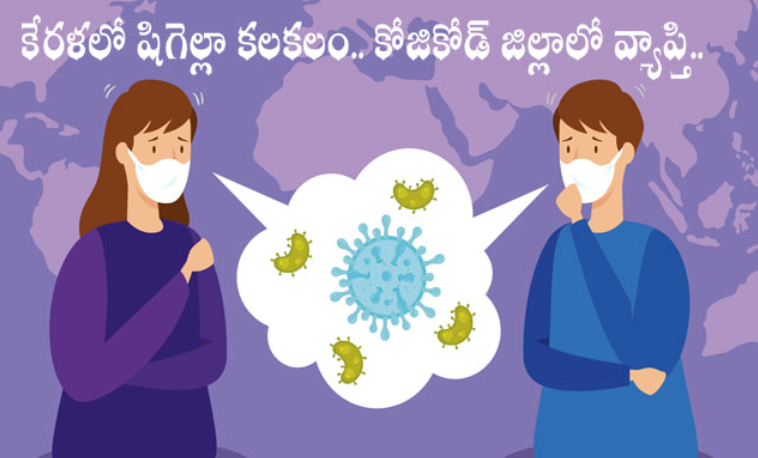
Shigellosis is an infectious disease caused by a bacteria called Shigella. It primarily targets the intestines, leading to severe diarrhoea. Globally, it is one of the main bacterial causes of diarrheal diseases. The bacteria can only survive naturally in humans, making the disease primarily spread from person to person.
How it Spreads and Who is at Risk
The infection mainly spreads through the faecal-oral route. This occurs when contaminated food, water, or close contact with infected persons takes place. Poor sanitation and hygiene habits increase the risk. It can also be transmitted through close personal or sexual contact. Children under five, the elderly, malnourished individuals, and those with weakened immunity are most vulnerable.
Symptoms and Clinical Signs
The primary symptom of shigellosis is diarrhoea, which can be bloody or mucus-laden and lasts for several days. Other symptoms include stomach cramps, fever, vomiting, and a persistent urge to pass stool even when the bowels are empty. The severity of these symptoms varies based on individual health and immunity levels.
Key Points to Remember for Exams
- It is caused by Shigella bacteria and spreads via the faecal-oral route.
- Humans are the only natural hosts of the bacteria.
- It is one of the leading bacterial causes of diarrhoea worldwide.
- Young children and immunocompromised individuals are most at risk.
Prevention and Treatment
Most cases of shigellosis resolve on their own without medication. Severe cases may require antibiotics and medical attention. Preventive measures include practicing good hygiene, handling food safely, ensuring access to clean drinking water, and improving sanitation facilities. These steps are vital to controlling outbreaks and lowering disease impact.
Important Facts for Exams
- Shigellosis is caused by Shigella bacteria and spreads via the faecal-oral route.
- Humans are the only natural reservoir of the pathogen.
- It is a leading bacterial cause of diarrhoea worldwide.
- Young children and immunocompromised individuals are most at risk.