Background of the Dispute
The couple had agreed to a divorce through mediation. The husband paid Rs 75 lakh as the first instalment, gave a Rs 14 lakh car, and returned listed jewellery. After receiving these, the wife withdrew her agreement and filed a domestic violence case against the husband and his family.
Allegations and Court’s Observations
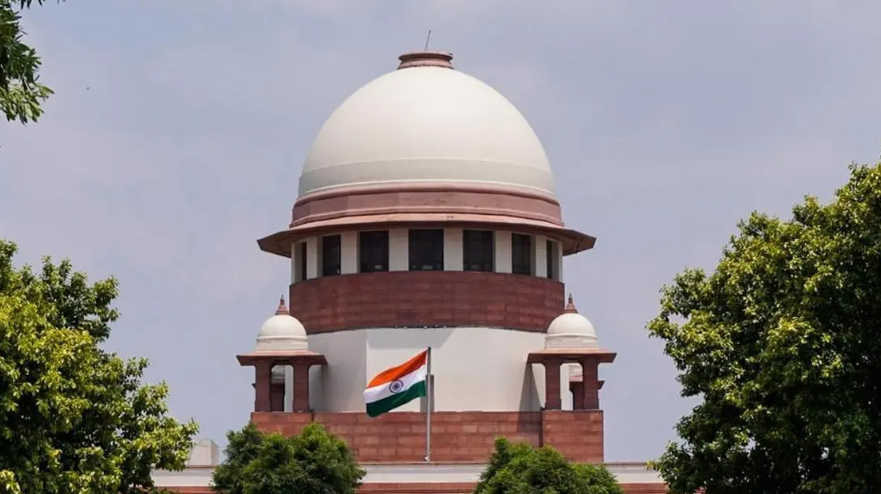
The wife claimed the husband had not returned jewellery worth Rs 120 crore and gold biscuits worth Rs 50 crore. She argued these were left out deliberately to hide assets from tax authorities. The Court dismissed these claims, saying there was no mention of such items in the agreement or communications. The Court criticized her as making "highly egregious" claims and disregarding legal procedures.
Use of Article 142 and Legal Reasoning
The Court explained that once mediated agreements are legally confirmed, they are binding and cannot be easily withdrawn. Allowing her withdrawal would weaken the credibility of mediation. The Court also observed her domestic violence case lacked specific allegations and seemed to be a retaliatory move.
Important Facts for Exams
- Article 142 allows the Supreme Court to pass orders for complete justice.
- Mediation agreements, once court-validated, are legally binding.
- Domestic violence cases require specific allegations.
- Misusing legal provisions can lead to strict judicial action.
Final Verdict and Directions
The Court invoked Article 142 to dissolve the marriage and quashed all related civil and criminal cases. The husband was ordered to pay the remaining Rs 70 lakh. This ruling emphasizes the Court’s stance against misuse of legal remedies and protect the sanctity of mediated agreements.